


Rajasthan Travel Guide 2026: Best Places, Itineraries, Costs and Travel Tips
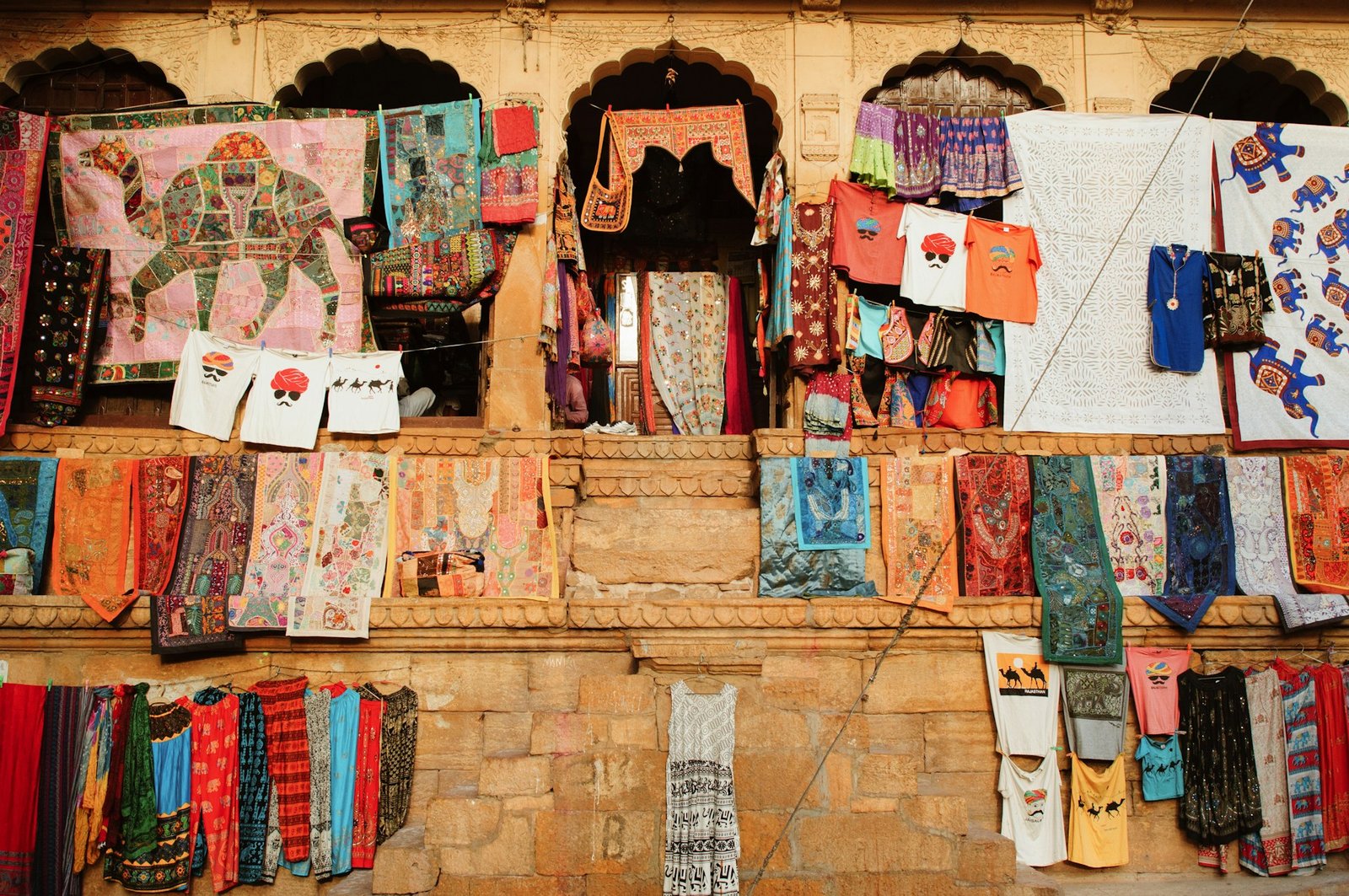
Rajasthan is a land of magnificent forts, royal palaces, colourful markets, peaceful lakes, desert landscapes, wildlife reserves and deeply rooted traditions. Every city introduces a different side of the state—from Jaipur’s architectural landmarks and Jaisalmer’s golden dunes to Udaipur’s lakes and Ranthambore’s tiger habitat.
Planning a Rajasthan trip, however, requires more than selecting a few famous cities. The state is large, distances can be significant and every destination deserves sufficient time. A realistic route, suitable vehicle, comfortable hotels and properly planned sightseeing can make the difference between an enjoyable holiday and an exhausting journey.
This Rajasthan Travel Guide 2026 explains the best places to visit, suitable trip durations, recommended routes, seasonal conditions, transport options, accommodation, local food, approximate costs and practical tips for families, couples, senior citizens and international visitors.
Why Visit Rajasthan in 2026?
Rajasthan remains one of India’s most rewarding destinations because it combines history, culture, nature, food and hospitality within one state.
A well-planned Rajasthan tour may include:
-
UNESCO-recognised forts and historic cities
-
Royal palaces, museums and traditional havelis
-
Camel safaris and desert camp experiences
-
Lakes, gardens and Aravalli landscapes
-
Tiger safaris and birdwatching
-
Spiritual destinations and historic temples
-
Sufi shrines and Jain pilgrimage sites
-
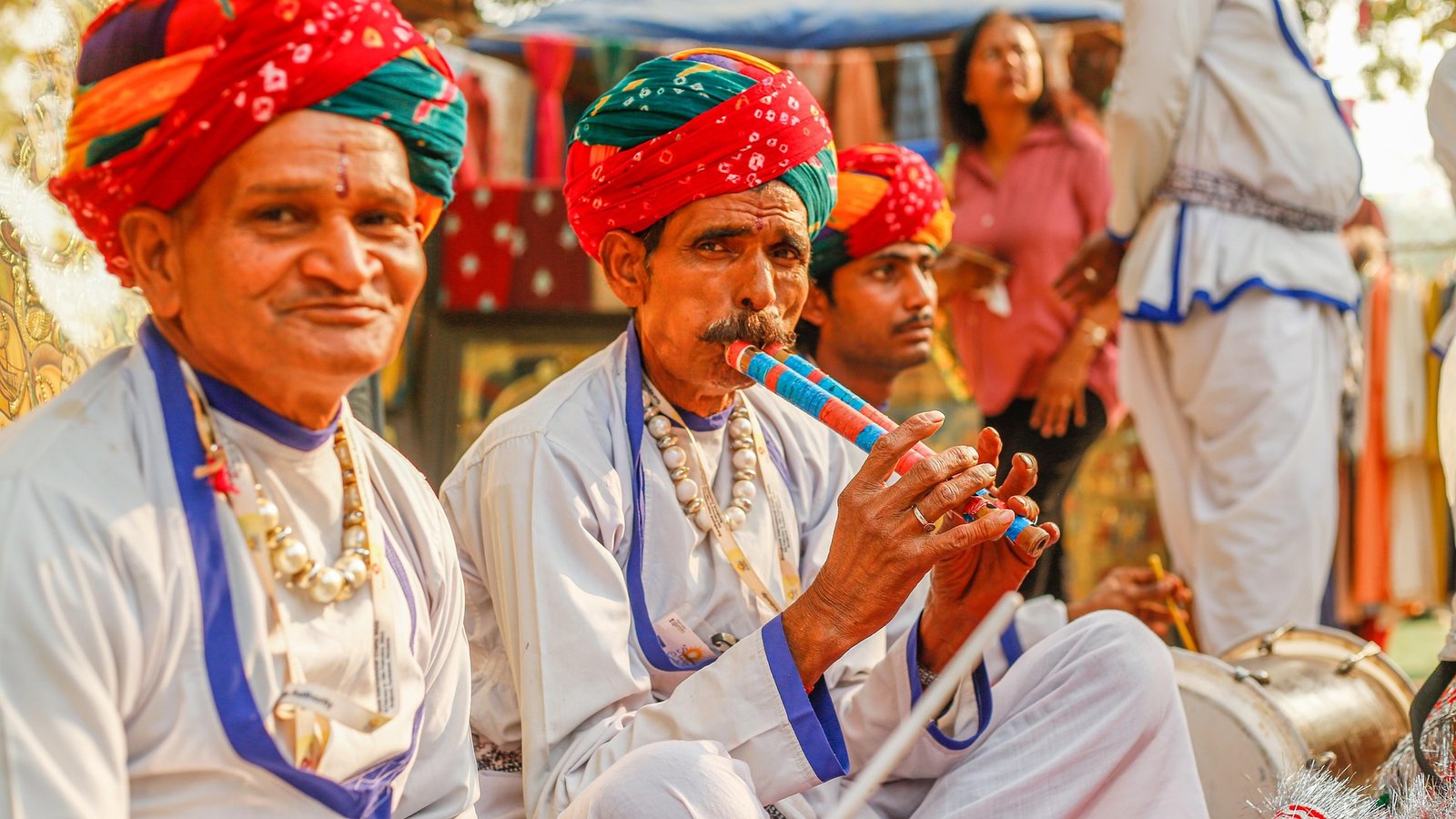
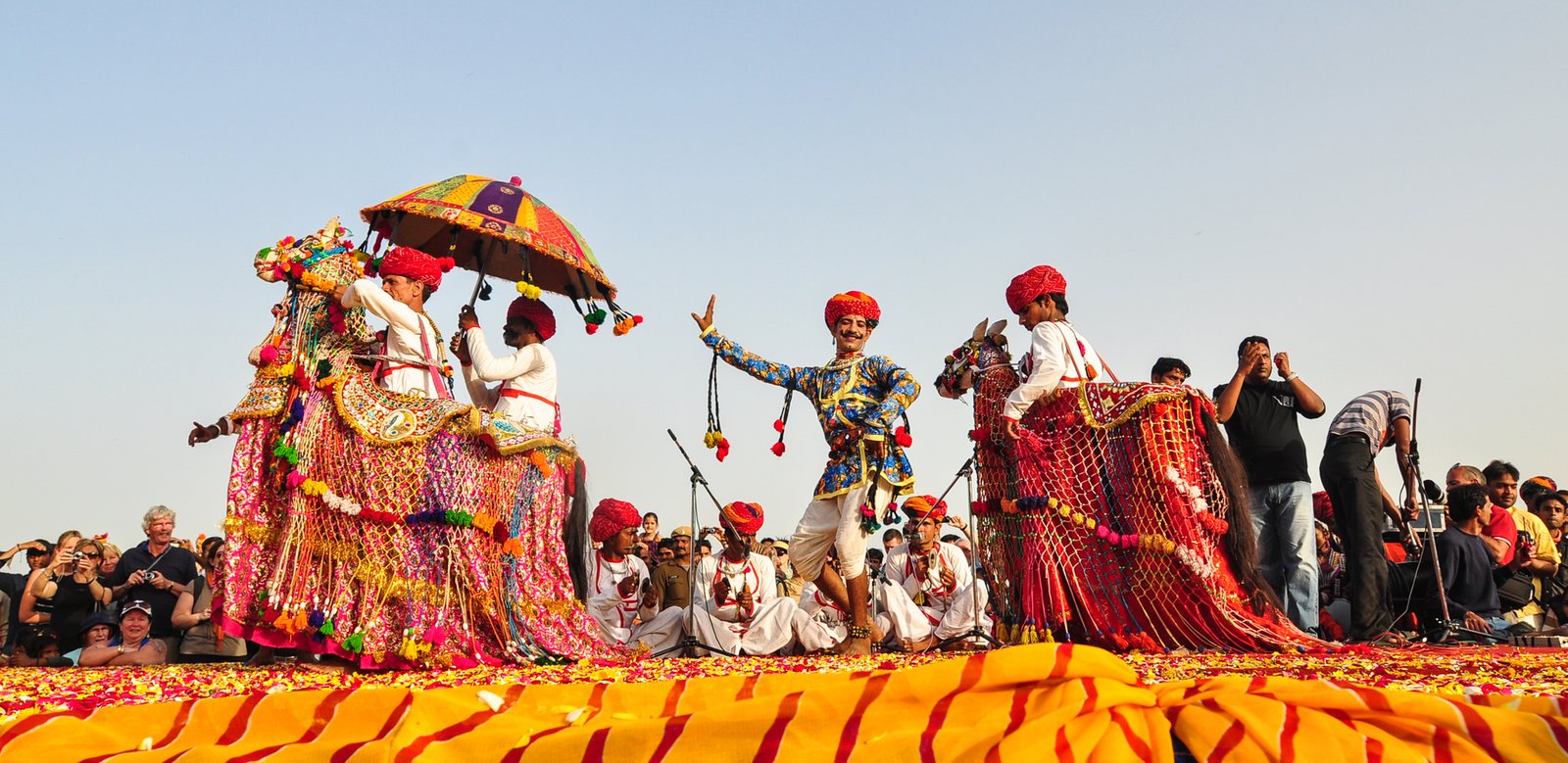
Folk music, traditional dance and cultural evenings
-
Local markets, textiles, jewellery and handicrafts
-
Heritage hotels and restored royal residences
-
Authentic Rajasthani food
Rajasthan can be explored through a short city break, a week-long regional holiday or a complete multi-city road trip. The most suitable route depends on your available days, arrival city, departure city and travel interests.
Best Time to Visit Rajasthan in 2026
October to March: Best Overall Travel Season
October to March is generally the most comfortable period for a Rajasthan tour. The weather is suitable for forts, palaces, markets, wildlife safaris and desert activities.
October and November offer pleasant conditions in most cities. December and January can be cold during mornings and evenings, particularly in Jaipur, Bikaner, Jodhpur, Jaisalmer, Pushkar and desert areas.
February and March provide comfortable daytime temperatures, although afternoons begin to feel warmer towards the end of March.
This period is ideal for:
-
First-time Rajasthan visitors
-
Family holidays
-
Couple and honeymoon tours
-
Senior citizen groups
-
Heritage sightseeing
-
Desert camp stays
-
Wildlife safaris
-
Photography tours
Because this is the peak travel season, hotels, desert camps, safari seats and professional drivers should be booked in advance.
April to June: Hot but Less Crowded
Summer in Rajasthan can be extremely hot, especially in Jaipur, Bikaner, Jaisalmer, Jodhpur, Ajmer and other desert regions.
Travelling during these months is possible when sightseeing is arranged during the early morning and evening. Air-conditioned vehicles and hotels are strongly recommended.
Mount Abu is a more suitable summer destination because of its elevated position in the Aravalli hills. Udaipur and Kumbhalgarh may also feel comparatively comfortable during mornings and evenings, but afternoons can still be hot.
Summer travel can offer lower hotel rates and fewer crowds, but it may not be suitable for small children, senior citizens or travellers sensitive to high temperatures.
July to September: Monsoon and Greener Landscapes
The monsoon changes the appearance of Rajasthan, particularly around Udaipur, Mount Abu, Bundi, Kota, Kumbhalgarh and the Aravalli region.
This season is suitable for travellers who prefer:
-
Greener landscapes
-
Lower seasonal rates
-
Fewer tourists
-
Monsoon photography
-
Relaxed city stays
-
Short romantic holidays
Rainfall can affect road conditions, outdoor sightseeing, boating and wildlife activities. Some national park zones may remain closed or operate under seasonal restrictions, so current rules should be checked before booking.
Best Places to Visit in Rajasthan
Jaipur – The Pink City
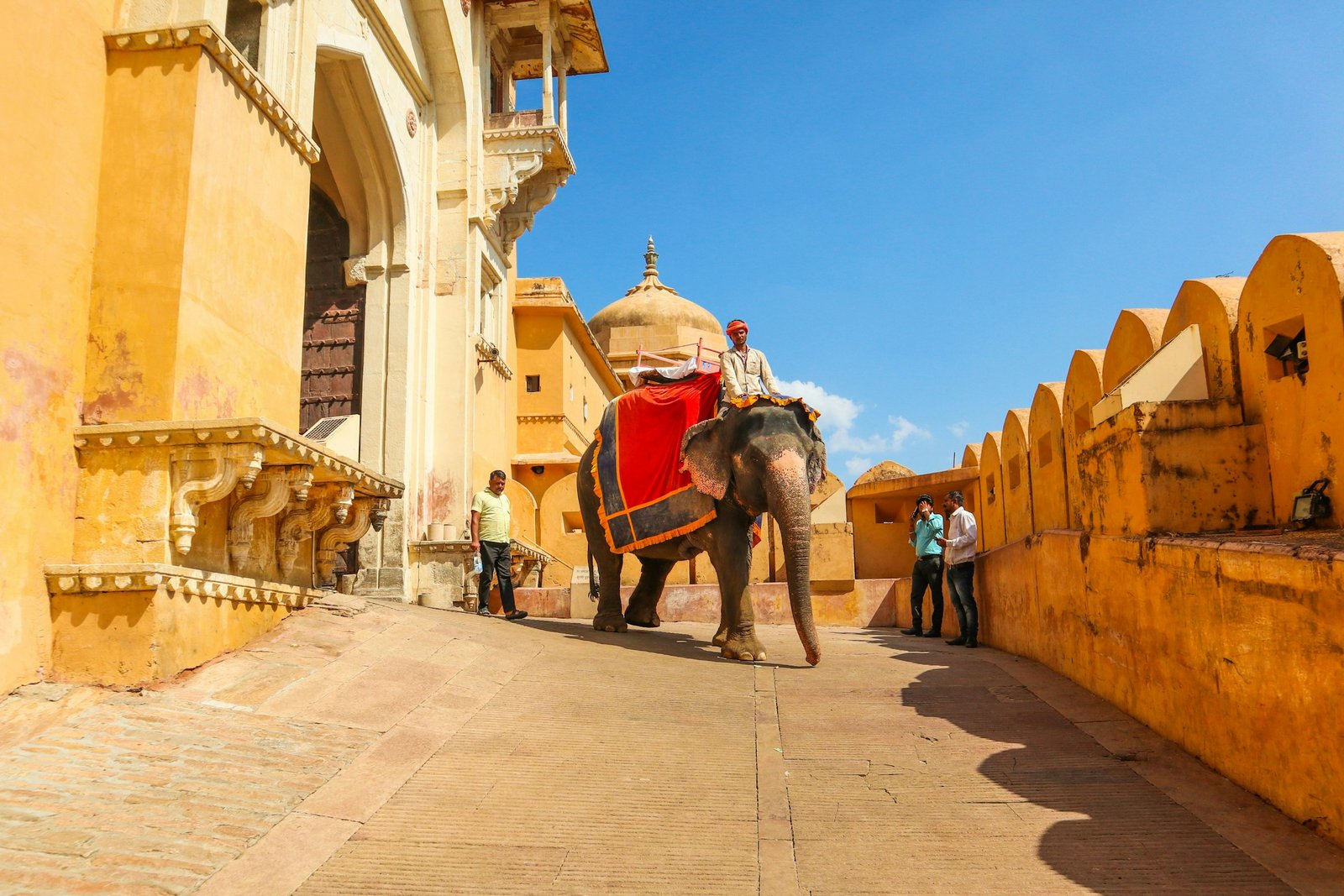
Jaipur is the capital of Rajasthan and one of the best starting points for a Rajasthan tour. The city combines royal architecture, bustling markets, museums, temples and modern tourist facilities.
Major Attractions in Jaipur
-
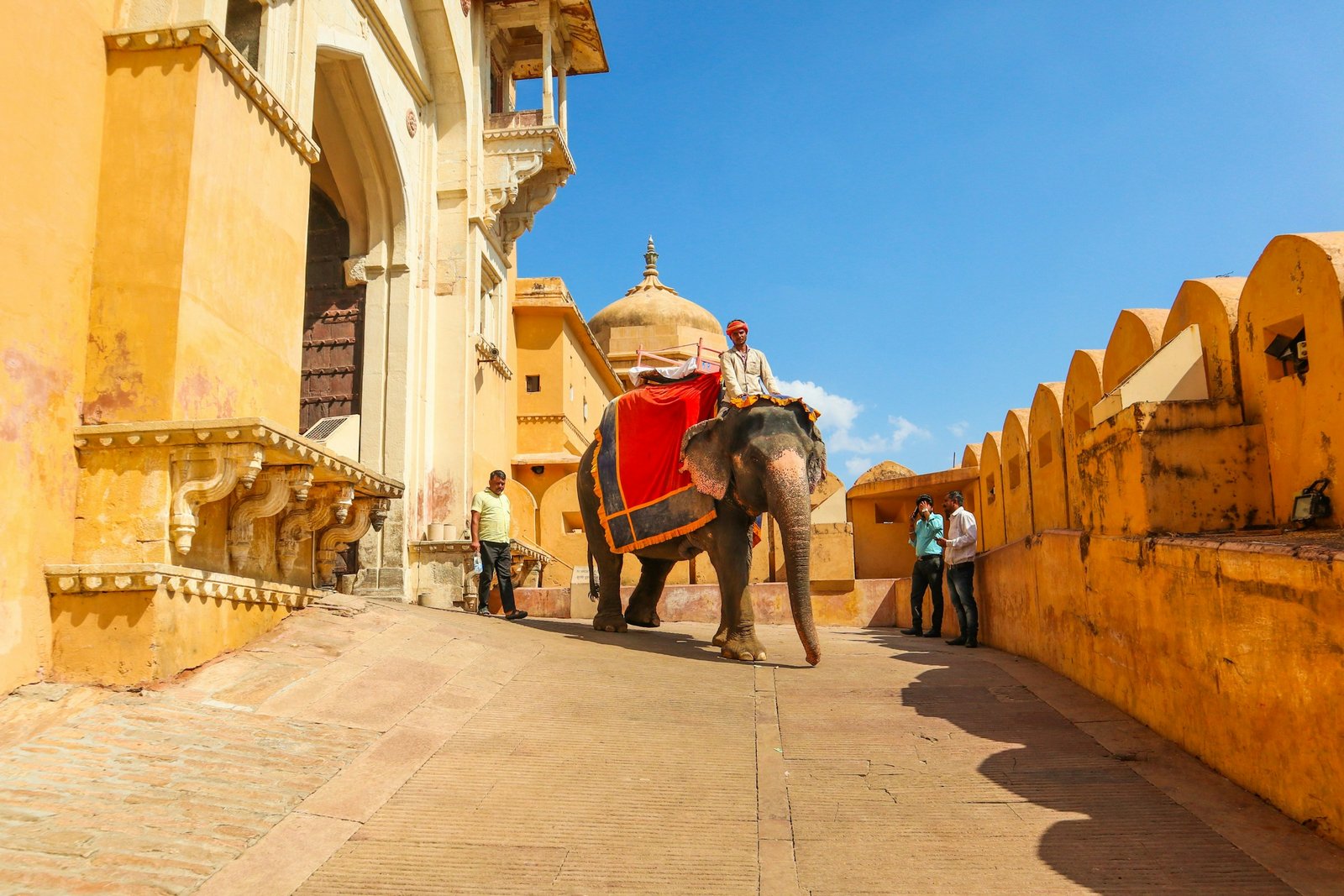
Amber Fort and Palace
-
City Palace
-
Hawa Mahal
-
Jantar Mantar
-
Jal Mahal
-
Jaigarh Fort
-
Nahargarh Fort
-
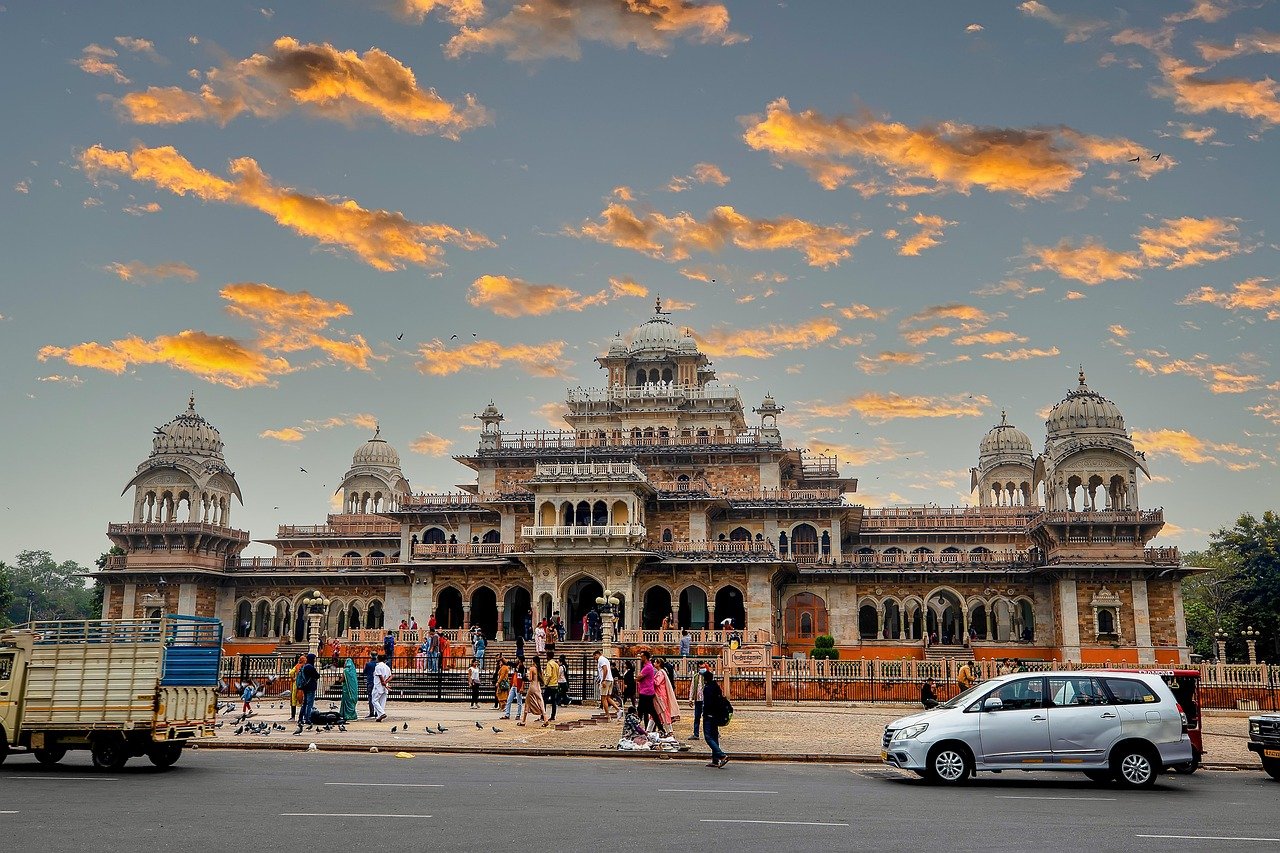
Albert Hall Museum
-
Birla Mandir
-
Gaitore Ki Chhatriyan
-
Panna Meena Ka Kund
-
Patrika Gate
Two full days are generally recommended for Jaipur. Travellers interested in shopping, photography or a relaxed pace may prefer three nights.
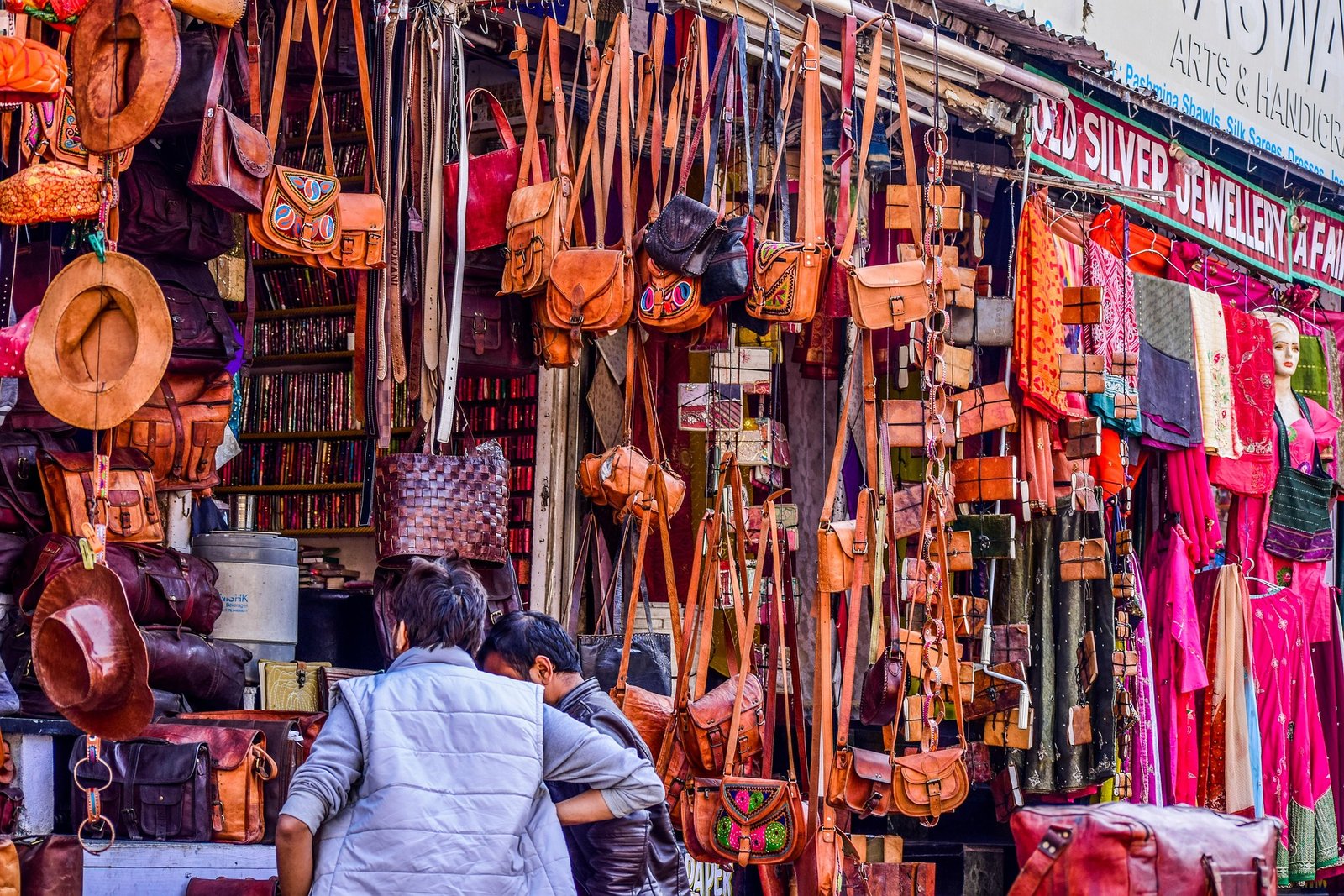
Jaipur is also known for jewellery, block-printed textiles, blue pottery, traditional footwear, handicrafts and colourful markets such as Johari Bazaar and Bapu Bazaar.
Udaipur – The City of Lakes
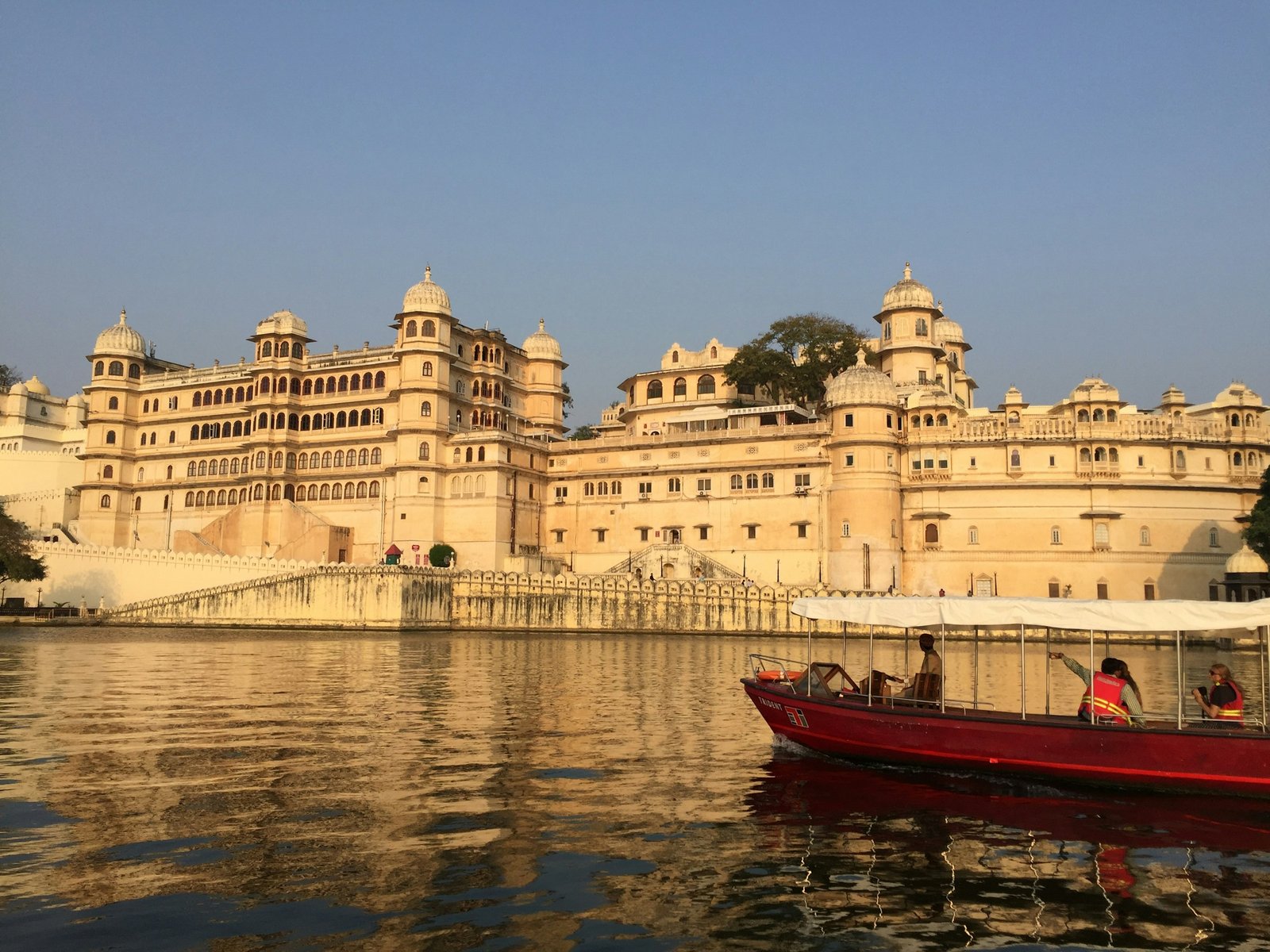
Udaipur presents a softer and more romantic side of Rajasthan. Surrounded by the Aravalli hills, the city is known for its lakes, royal palaces, gardens, rooftop restaurants and sunset views.
Major Attractions in Udaipur
-
Udaipur City Palace
-
Lake Pichola
-
Jagdish Temple
-
Jag Mandir
-
Fateh Sagar Lake
-
Saheliyon Ki Bari
-
Bagore Ki Haveli
-
Moti Magri
-
Sajjangarh Monsoon Palace
-
Doodh Talai
-
Karni Mata Temple
-
Shilpgram
Two full sightseeing days are recommended for Udaipur. Couples and leisure travellers may prefer three nights to enjoy boating, cafés and evening views without rushing.
Jodhpur – The Blue City
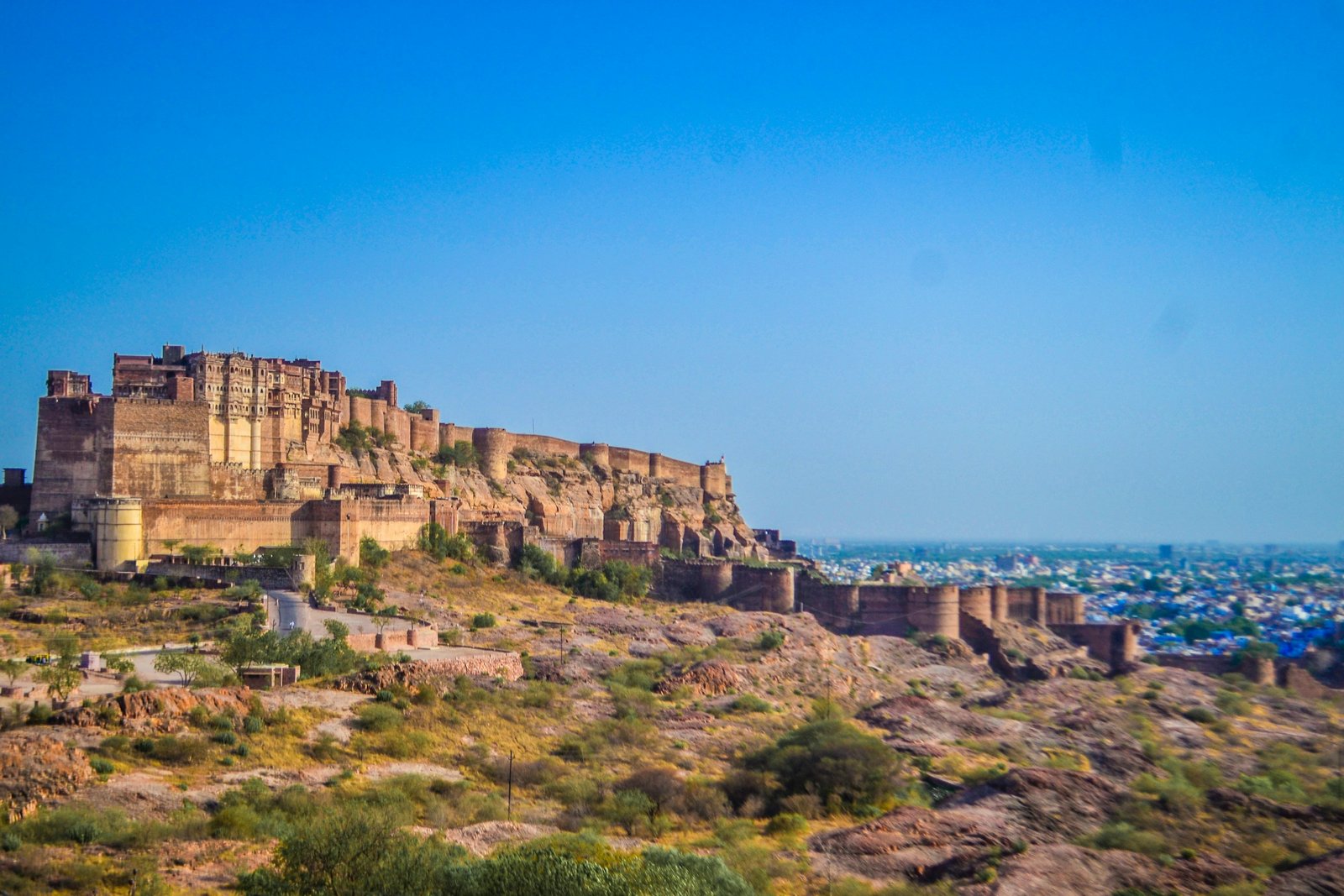
Jodhpur is recognised for the imposing Mehrangarh Fort, blue-painted neighbourhoods and traditional market area surrounding the Clock Tower.
Major Attractions in Jodhpur
-
Mehrangarh Fort
-
Jaswant Thada
-
Umaid Bhawan Palace Museum
-
Toorji Ka Jhalra
-
Mandore Garden
-
Rao Jodha Desert Rock Park
-
Clock Tower
-
Sardar Market
-
Blue City viewpoints
One full day is sufficient for the main attractions, but two nights offer a more comfortable experience. Jodhpur is also a convenient link between Jaipur, Udaipur and Jaisalmer.
Jaisalmer – The Golden City
Jaisalmer rises from the Thar Desert with golden sandstone architecture, historic havelis and a living fort. The destination combines cultural sightseeing with desert experiences.
Major Attractions in Jaisalmer
-
Jaisalmer Fort
-
Jain Temples
-
Patwon Ki Haveli
-
Nathmal Ki Haveli
-
Salim Singh Ki Haveli
-
Gadisar Lake
-
Bada Bagh
-
Kuldhara heritage village
-
Amar Sagar
-
Sam Sand Dunes
-
Khuri dunes
Travellers should reserve at least two nights for Jaisalmer—one in the city and one at a desert camp. An additional night is useful for Tanot Mata Temple, Longewala or a slower city tour.
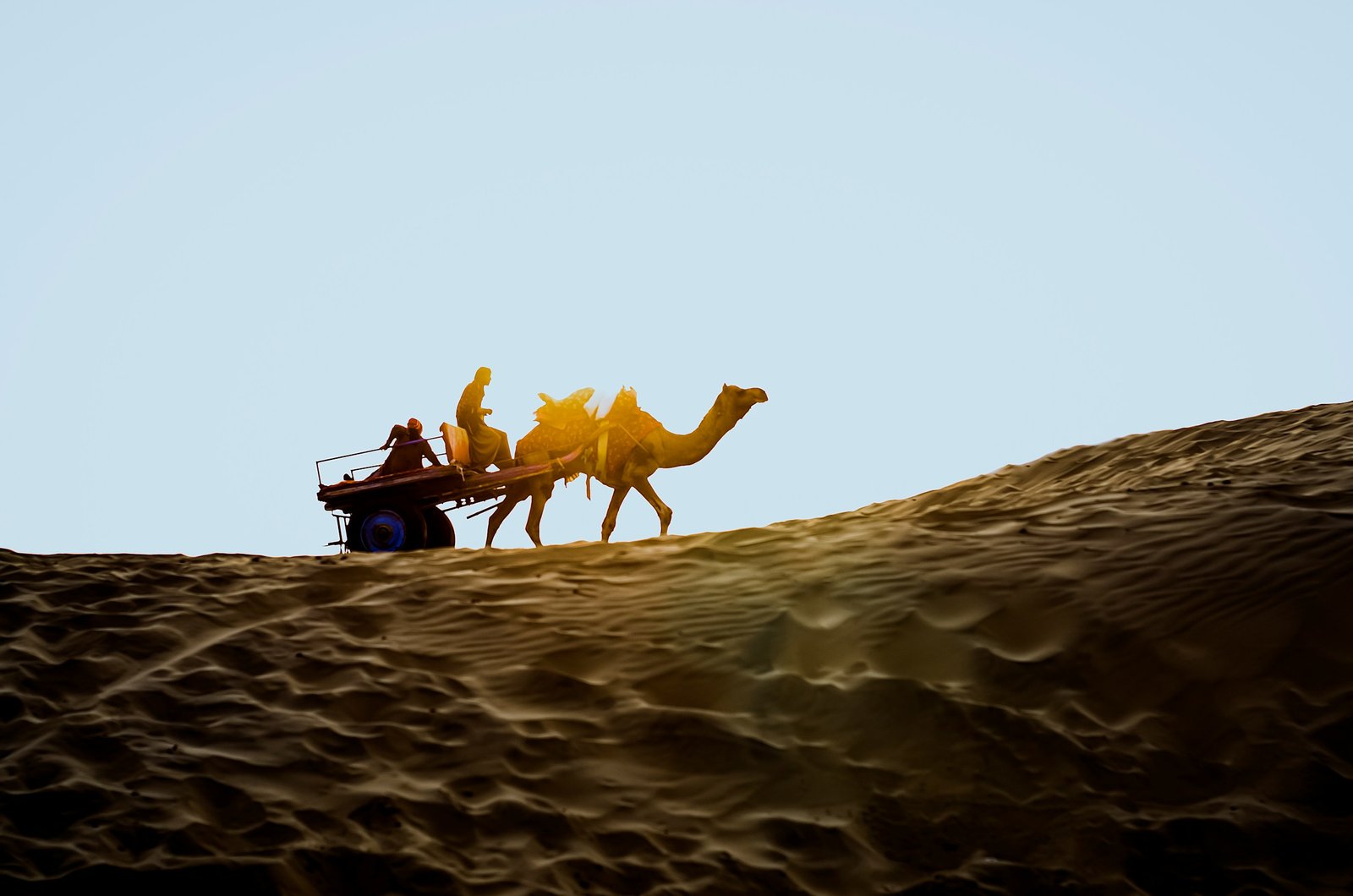
A desert stay may include a camel safari, sunset viewing, folk music, Kalbelia dance and dinner. Camp standards vary considerably, so travellers should confirm the tent category, attached bathroom, cooling or heating arrangements and included activities.
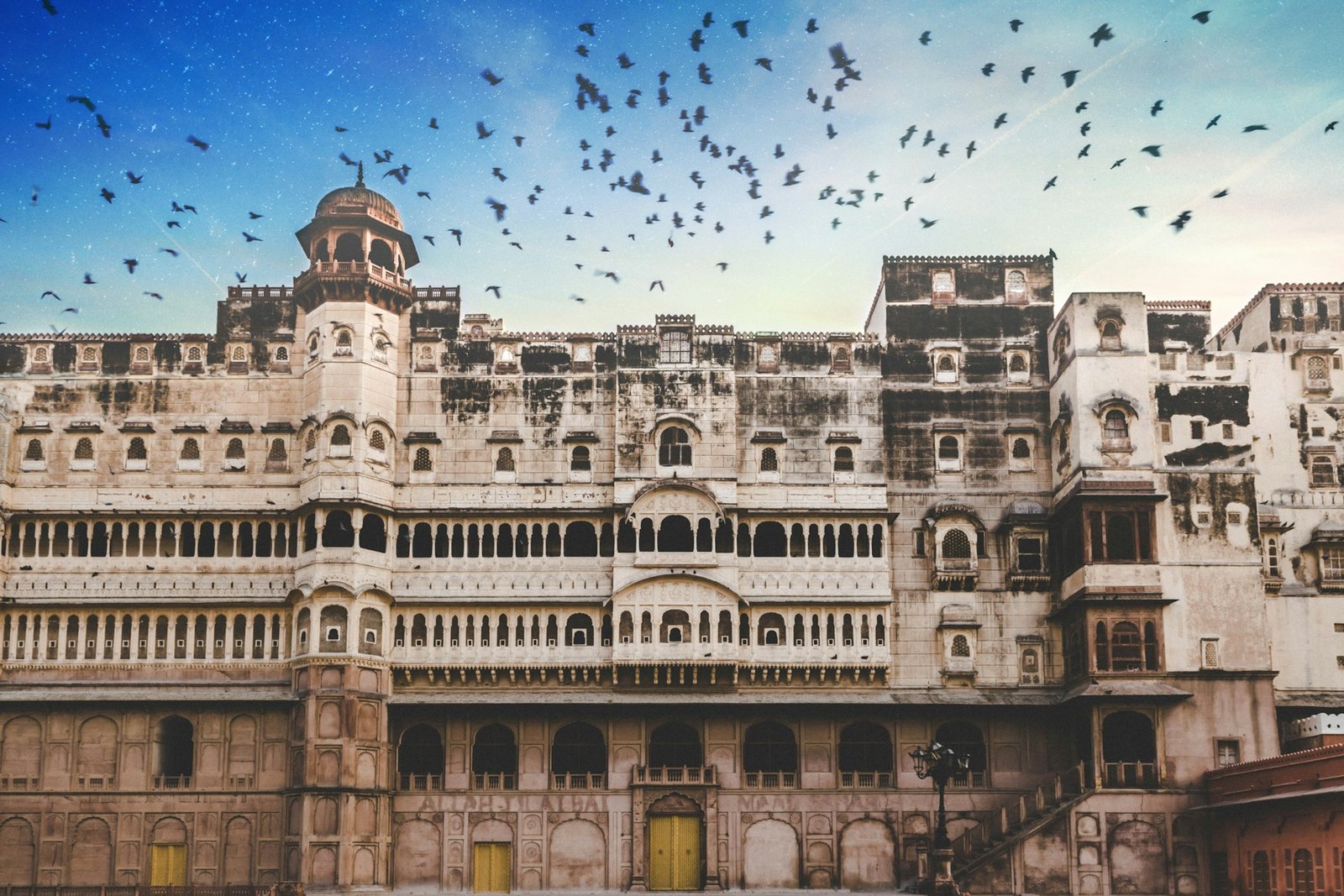
Bikaner – Forts, Havelis and Desert Heritage
Bikaner offers magnificent architecture and a quieter atmosphere than some of Rajasthan’s busier destinations.
Major Attractions in Bikaner
-
Junagarh Fort
-
Prachina Museum
-
Lalgarh Palace
-
Rampuria Havelis
-
Bhandasar Jain Temple
-
National Research Centre on Camel
-
Karni Mata Temple at Deshnok
-
Gajner Palace and Lake
One or two nights are generally enough for Bikaner. The city works well as a stop between Jaipur and Jaisalmer, although both road sectors are long.
Pushkar – Sacred Lake and Spiritual Atmosphere
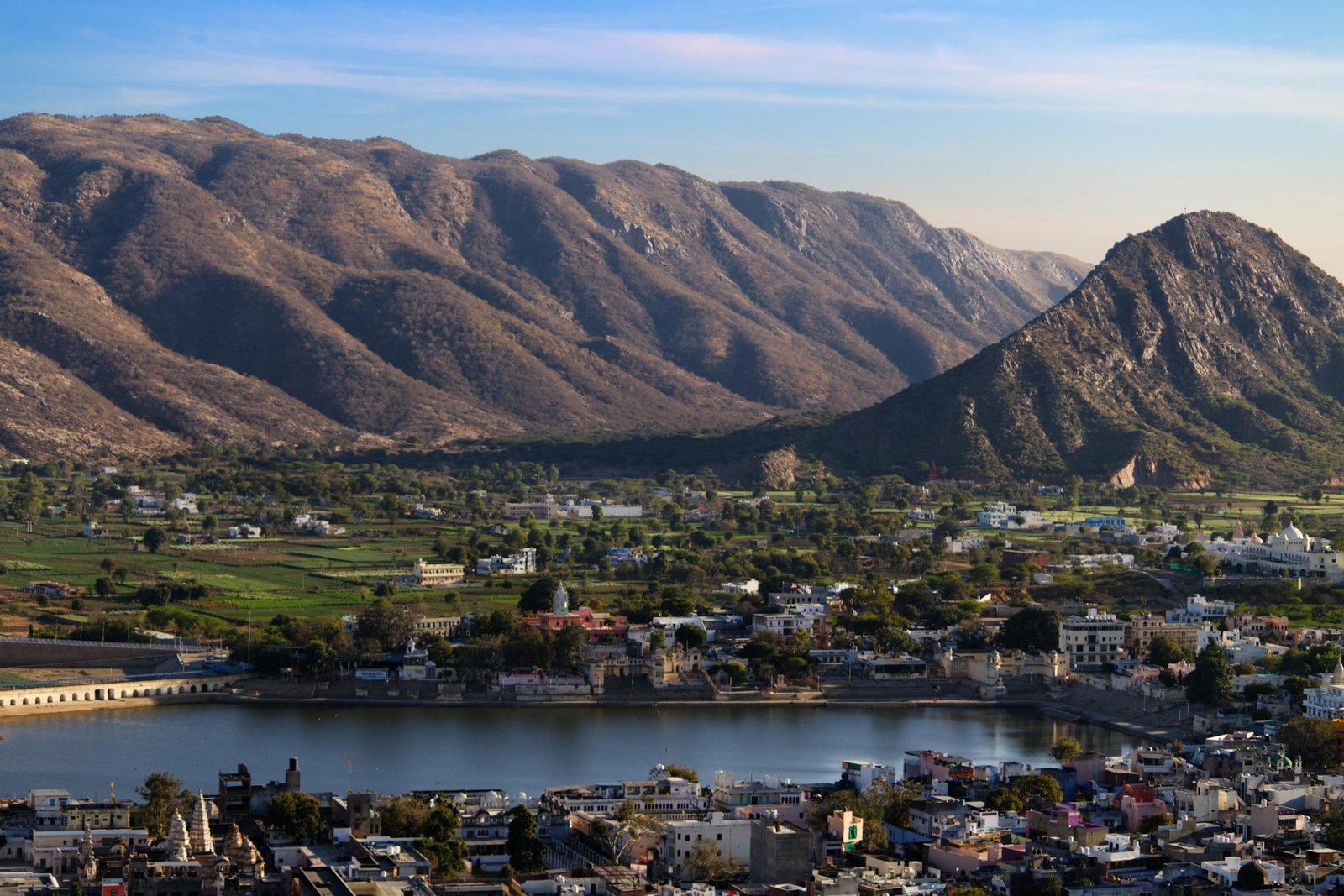
Pushkar is a small pilgrimage town surrounded by hills. It is known for its sacred lake, temples, ghats, cafés and colourful market.
Major Attractions in Pushkar
-
Brahma Temple
-
Pushkar Lake
-
Pushkar Ghats
-
Savitri Temple
-
Savitri Temple ropeway
-
Rangji Temple
-
Pushkar Market
-
Sunset viewpoints
One night is usually sufficient, although travellers interested in yoga, meditation or a slower holiday may stay longer.
Visitors should wear respectful clothing around temples and ghats. Photography may be restricted at certain religious locations.
Ajmer – Sufi Heritage and Historic Landmarks
Ajmer is located close to Pushkar and is usually covered on the same route.
Major Attractions in Ajmer
-
Ajmer Sharif Dargah
-
Adhai Din Ka Jhonpra
-
Ana Sagar Lake
-
Akbari Fort and Museum
-
Nareli Jain Temple
-
Soniji Ki Nasiyan
Vehicles may not be permitted inside the narrow lanes near Ajmer Sharif Dargah. Travellers may need to walk or use locally available transport from the designated parking area.
Ranthambore – Wildlife and Historic Fort
Ranthambore is one of India’s best-known tiger tourism destinations. The national park is located near Sawai Madhopur and contains dry forests, lakes, rocky terrain and historic ruins.
Major Experiences in Ranthambore
-
Morning wildlife safari
-
Afternoon wildlife safari
-
Ranthambore Fort
-
Trinetra Ganesh Temple
-
Birdwatching
-
Wildlife photography
-
Natural history museum
-
Surwal Lake, subject to seasonal conditions
Tiger sightings are never guaranteed. Safaris should be booked in advance through the official system or an authorised provider. Travellers must carry the identification used during booking.
Two nights are recommended so visitors can take more than one safari and explore Ranthambore Fort.
Mount Abu – Rajasthan’s Hill Station
Mount Abu offers hills, forests, viewpoints, temples and a cooler climate. It is popular during summer and monsoon as well as on short family and couple holidays.
Major Attractions in Mount Abu
-
Dilwara Jain Temples
-
Nakki Lake
-
Guru Shikhar
-
Sunset Point
-
Honeymoon Point
-
Toad Rock
-
Achalgarh Fort
-
Achaleshwar Mahadev Temple
-
Peace Park
-
Mount Abu Wildlife Sanctuary
Two nights are usually sufficient. Guru Shikhar and Achalgarh should be planned together because both are located away from the central lake area.
Chittorgarh – Fort of Courage and Sacrifice
Chittorgarh is dominated by one of India’s largest fort complexes. The destination is associated with Mewar’s history, courage and architectural heritage.
Major Attractions in Chittorgarh
-
Chittorgarh Fort
-
Vijay Stambh
-
Kirti Stambh
-
Rana Kumbha Palace
-
Padmini Palace
-
Gaumukh Reservoir
-
Meera Temple
-
Kalika Mata Temple
Chittorgarh can be visited during a road journey between Jaipur and Udaipur, but a dedicated overnight stay allows a more relaxed fort experience.
Kumbhalgarh – Fort Walls and Aravalli Views
Kumbhalgarh is known for its massive hill fort, long defensive walls, temples and panoramic views.
Major Attractions in Kumbhalgarh
-
Kumbhalgarh Fort
-
Badal Mahal
-
Neelkanth Mahadev Temple
-
Vedi Temple
-
Fort gateways and viewpoints
-
Kumbhalgarh Wildlife Sanctuary
The fort involves uphill walking and steps. Travellers should wear comfortable footwear and allow sufficient time.
Kumbhalgarh can be combined with Udaipur, Ranakpur or Jodhpur.
Bundi – Stepwells and Painted Palaces
Bundi is a smaller heritage destination known for its blue houses, palace murals, stepwells and less-commercial atmosphere.
Major Attractions in Bundi
-
Taragarh Fort
-
Bundi Palace
-
Chitrashala
-
Raniji Ki Baori
-
Nawal Sagar Lake
-
Sukh Mahal
-
Dabhai Kund
-
Old city lanes
Bundi is ideal for photographers, history enthusiasts and travellers seeking an alternative to Rajasthan’s busier tourist cities.
Bharatpur – Birdwatching at Keoladeo
Bharatpur is famous for Keoladeo National Park, an important wetland and bird habitat.
Visitors can explore the park by walking, cycling or using locally authorised transport. Bird activity varies with the season and water conditions.
Bharatpur can be combined with Agra, Fatehpur Sikri, Jaipur or Ranthambore.
Alwar, Neemrana and Sariska
The Alwar region is suitable for travellers planning a shorter journey from Delhi.
Places to Explore
-
Bala Quila
-
City Palace and Museum
-
Siliserh Lake
-
Moosi Maharani Ki Chhatri
-
Sariska Tiger Reserve
-
Bhangarh Fort
-
Neemrana Fort area
Sariska safari operations and zones are governed by current Forest Department regulations. Wildlife sightings cannot be guaranteed.
How Many Days Are Enough for a Rajasthan Tour?
The ideal duration depends on the number of cities and the pace of travel.
3 to 4 Days
Suitable for one city and a nearby excursion.
Recommended options include:
-
Jaipur with Ajmer and Pushkar
-
Udaipur with Kumbhalgarh
-
Jodhpur with Osian
-
Jaisalmer city and desert
-
Ranthambore wildlife tour
-
Mount Abu short holiday
5 to 6 Days
Suitable for two or three destinations within the same region.
Recommended routes include:
-
Jaipur, Ajmer, Pushkar and Jodhpur
-
Jodhpur and Jaisalmer
-
Jaipur and Ranthambore
-
Udaipur, Kumbhalgarh and Mount Abu
-
Jaipur, Jodhpur and Udaipur
7 to 8 Days
Suitable for a balanced multi-city tour.
Recommended routes include:
-
Jaipur, Jodhpur, Jaisalmer and Udaipur
-
Jaipur, Pushkar, Jodhpur and Jaisalmer
-
Jaipur, Ranthambore, Bundi and Udaipur
-
Udaipur, Kumbhalgarh, Jodhpur and Jaisalmer
9 to 12 Days
Suitable for a comprehensive Rajasthan journey covering major heritage, desert and spiritual destinations.
A common route includes:
Jaipur → Bikaner → Jaisalmer → Jodhpur → Kumbhalgarh → Udaipur → Ajmer → Pushkar
13 to 15 Days
Suitable for travellers who want a slower pace or additional destinations such as Ranthambore, Bundi, Chittorgarh, Mount Abu or Bharatpur.
Suggested 5-Day Rajasthan Itinerary
Day 1: Jaipur Arrival and Sightseeing
Visit Hawa Mahal, City Palace, Jantar Mantar, Albert Hall Museum and Jaipur’s traditional markets.
Overnight stay: Jaipur
Day 2: Jaipur Forts and Palaces
Visit Amber Fort, Panna Meena Ka Kund, Jaigarh Fort, Jal Mahal and Nahargarh Fort according to the available time.
Overnight stay: Jaipur
Day 3: Jaipur to Jodhpur via Ajmer and Pushkar
Visit Ajmer Sharif Dargah, Pushkar Lake and Brahma Temple before continuing towards Jodhpur.
Overnight stay: Jodhpur
Day 4: Jodhpur Sightseeing
Explore Mehrangarh Fort, Jaswant Thada, Umaid Bhawan Palace Museum and Clock Tower Market.
Overnight stay: Jodhpur
Day 5: Departure
Transfer to Jodhpur Airport or railway station. Travellers returning to Jaipur should allow sufficient time for the long road journey.
Suggested 7-Day Rajasthan Itinerary
Day 1: Jaipur Arrival and Local Sightseeing
Visit the main attractions within Jaipur’s historic city.
Overnight stay: Jaipur
Day 2: Jaipur Fort Sightseeing
Explore Amber Fort, Jaigarh Fort, Jal Mahal and selected nearby attractions.
Overnight stay: Jaipur
Day 3: Jaipur to Jodhpur via Ajmer and Pushkar
Cover Ajmer and Pushkar before continuing to Jodhpur.
Overnight stay: Jodhpur
Day 4: Jodhpur Sightseeing and Drive to Jaisalmer
Visit Mehrangarh Fort and Jaswant Thada before travelling towards Jaisalmer. This is a road-heavy day and requires an early departure.
Overnight stay: Jaisalmer city
Day 5: Jaisalmer Sightseeing and Desert Camp
Explore Jaisalmer Fort, Jain Temples, Patwon Ki Haveli and Gadisar Lake. Continue to the desert for a camel safari, sunset and cultural programme.
Overnight stay: Jaisalmer desert camp
Day 6: Jaisalmer to Jodhpur
Return to Jodhpur and enjoy the evening at leisure.
Overnight stay: Jodhpur
Day 7: Jodhpur Departure
Transfer to the airport, railway station or another confirmed location.
Suggested 10-Day Rajasthan Itinerary
Day 1: Jaipur Arrival and Sightseeing
Explore Hawa Mahal, City Palace, Jantar Mantar and the old markets.
Overnight stay: Jaipur
Day 2: Jaipur Forts
Visit Amber Fort, Panna Meena Ka Kund, Jaigarh Fort, Jal Mahal and Nahargarh Fort according to time.
Overnight stay: Jaipur
Day 3: Jaipur to Bikaner
Travel to Bikaner and visit Junagarh Fort or Rampuria Havelis if time permits.
Overnight stay: Bikaner
Day 4: Bikaner to Jaisalmer Desert
Travel towards Jaisalmer and proceed to the selected desert camp for sunset and cultural activities.
Overnight stay: Jaisalmer desert camp
Day 5: Jaisalmer City Sightseeing
Visit Jaisalmer Fort, Jain Temples, Patwon Ki Haveli and Gadisar Lake.
Overnight stay: Jaisalmer city
Day 6: Jaisalmer to Jodhpur
Travel to Jodhpur and cover selected attractions depending on the arrival time.
Overnight stay: Jodhpur
Day 7: Jodhpur to Udaipur via Kumbhalgarh
Visit Kumbhalgarh Fort before continuing to Udaipur. This is a long travel and sightseeing day.
Overnight stay: Udaipur
Day 8: Udaipur Sightseeing
Visit City Palace, Jagdish Temple, Lake Pichola, Saheliyon Ki Bari and Fateh Sagar Lake.
Overnight stay: Udaipur
Day 9: Udaipur to Pushkar via Ajmer
Travel to Ajmer, visit Ajmer Sharif Dargah and continue to Pushkar for the lake and Brahma Temple.
Overnight stay: Pushkar
Day 10: Pushkar to Jaipur
Return to Jaipur for your airport, railway station, hotel or residence drop.
Rajasthan Travel by Private Cab
A private cab is one of the most convenient ways to explore Rajasthan because many forts, villages, desert camps and smaller destinations are located away from railway stations.
Benefits of a Private Cab
-
Direct hotel-to-hotel transfers
-
Flexible refreshment and photography stops
-
Convenient luggage handling
-
Easier travel for families and senior citizens
-
Better access to attractions outside city centres
-
Freedom to adjust the day according to practical conditions
-
One vehicle for intercity travel and local sightseeing
Travellers should confirm whether the quotation includes fuel, tolls, parking, state taxes, driver allowance and night charges.
The vehicle should be selected according to the number of passengers and luggage, not only the number of seats.
Recommended Vehicle Types
-
Sedan: Suitable for up to three adults with moderate luggage
-
SUV or Innova: Suitable for families and small groups
-
Innova Crysta: Suitable for travellers seeking additional comfort
-
Tempo Traveller: Suitable for larger families and groups
-
Minibus or coach: Suitable for organised group tours
Travelling by Train
Jaipur, Jodhpur, Udaipur, Bikaner, Ajmer, Sawai Madhopur and several other cities have railway connectivity.
Train travel can reduce long road journeys, but it also requires careful coordination between hotel checkout, station transfer and train timings.
Tickets should be booked early for peak-season dates, weekends and festivals. Travellers should verify the station because some cities have more than one railway station or boarding point.
Travelling by Air
The main airports used for Rajasthan tours include:
-
Jaipur International Airport
-
Maharana Pratap Airport near Udaipur
-
Jodhpur Airport
-
Jaisalmer Airport, subject to current flight schedules
-
Kishangarh Airport, subject to current flight schedules
Flight routes and frequencies can change. Travellers should confirm availability before finalising a route around a particular airport.
An open-jaw itinerary—arriving in one city and departing from another—can reduce backtracking. For example, visitors may arrive in Jaipur and depart from Udaipur or Jodhpur.
Rajasthan Tour Cost in 2026
The cost of a Rajasthan trip depends on the season, hotel category, vehicle type, group size, number of cities and included activities.
Budget Travel
A budget trip may use simple hotels, shared transport, trains and economical restaurants.
Indicative daily budget: ₹2,500–₹4,500 per person
Comfortable Mid-Range Travel
This category generally includes good hotels, a private vehicle, breakfast and organised sightseeing.
Indicative daily budget: ₹5,000–₹9,000 per person
Premium and Luxury Travel
A premium tour may include heritage hotels, luxury resorts, upgraded vehicles, private guides and special experiences.
Indicative daily budget: ₹10,000 per person and above
These figures are broad planning estimates. Airfare, train tickets, monument entries, premium safaris, festival surcharges and personal expenses may be additional.
Christmas, New Year, long weekends, wedding dates and major festivals can significantly increase hotel and transport costs.
Choosing Hotels in Rajasthan
Rajasthan offers accommodation for almost every budget.
Available Accommodation Types
-
Budget hotels
-
Standard hotels
-
Deluxe hotels
-
Boutique hotels
-
Heritage hotels
-
Palace hotels
-
Luxury resorts
-
Wildlife resorts
-
Desert camps
-
Homestays
-
Hostels
Before booking, confirm:
-
Exact location
-
Room category
-
Meal plan
-
Extra-bed policy
-
Child policy
-
Parking availability
-
Lift availability
-
Driver accommodation
-
Early check-in conditions
-
Late checkout charges
-
Heating and cooling facilities
-
Attached bathroom in desert tents
-
Accessibility for senior citizens
A hotel described as being in a particular city may still be located far from the main sightseeing area. Always check the actual map location.
What to Eat in Rajasthan
Rajasthani cuisine is rich, varied and closely connected with the state’s climate and local ingredients.
Popular Vegetarian Dishes
-
Dal baati churma
-
Gatte ki sabzi
-
Ker sangri
-
Papad ki sabzi
-
Bajra roti
-
Missi roti
-
Kadhi
-
Rajasthani thali
-
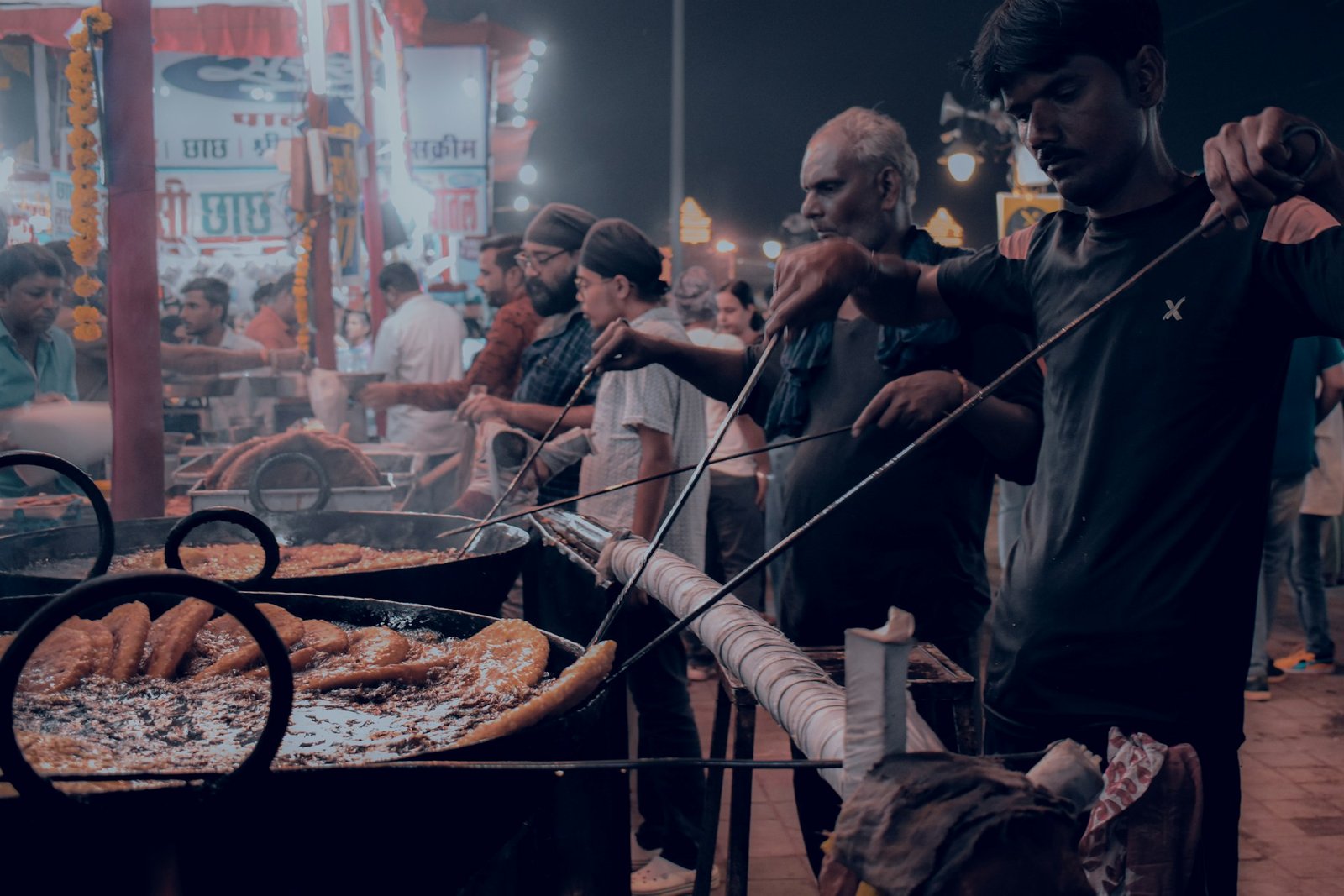
Pyaaz kachori
-
Mirchi bada
Popular Non-Vegetarian Dishes
-
Laal maas
-
Safed maas
-
Junglee maas
-
Rajasthani-style chicken preparations
Popular Sweets
-
Ghevar
-
Mawa kachori
-
Malpua
-
Rabri
-
Moong dal halwa
-
Churma laddoo
-
Bikaneri rasgulla
Visitors who prefer mild food should clearly request lower spice levels. Drink packaged or properly filtered water and choose hygienic food outlets.
Shopping in Rajasthan
Each Rajasthan destination has its own craft traditions.
Popular Things to Buy
-
Block-printed textiles
-
Bandhani and leheriya fabrics
-
Blue pottery
-
Kundan and meenakari jewellery
-
Silver jewellery
-
Mojari footwear
-
Carpets and dhurries
-
Miniature paintings
-
Leather products
-
Wooden handicrafts
-
Marble souvenirs
-
Lac bangles
-
Hand-embroidered bags
-
Traditional home décor
Ask for a proper bill when purchasing expensive jewellery, gemstones, carpets or antiques. Shipping arrangements and return conditions should be confirmed in writing.
Festivals and Cultural Experiences in 2026
Rajasthan hosts fairs and festivals throughout the year. Popular celebrations include:
-
Jaipur Kite Festival
-
Bikaner Camel Festival
-
Jaisalmer Desert Festival
-
Gangaur Festival
-
Teej Festival
-
Mewar Festival
-
Pushkar Fair
-
Marwar Festival
-
Bundi Utsav
-
Rajasthan International Folk Festival
-
Kota Dussehra
Festival dates and programmes can change according to the official calendar and local arrangements. Travellers should verify the confirmed 2026 schedule before booking non-refundable travel.
Hotels and transport can be expensive during major events, so early reservations are advisable.
Essential Rajasthan Travel Tips for 2026
-
Avoid including too many cities in a short itinerary.
-
Allow adequate time for intercity road journeys.
-
Keep the first day flexible if arriving by flight or train.
-
Start fort sightseeing early to avoid heat and crowds.
-
Carry valid government-issued photo identification.
-
International visitors should carry their passport where required.
-
Pre-book wildlife safaris and popular activities.
-
Confirm monument timings and weekly closures.
-
Wear respectful clothing at temples, mosques, dargahs and Jain sites.
-
Remove footwear wherever required.
-
Use comfortable footwear for forts and old-city walks.
-
Carry sunscreen, sunglasses, a hat and drinking water.
-
Pack warm clothing for winter mornings and desert evenings.
-
Avoid travelling on isolated roads late at night.
-
Use authorised guides and transport providers.
-
Confirm every package inclusion in writing.
-
Keep digital and offline copies of important bookings.
-
Allow extra time during festivals, weddings and public holidays.
-
Do not expect every listed attraction to fit into a road-heavy day.
-
Respect photography restrictions.
-
Avoid feeding or disturbing wildlife.
-
Use designated waste bins and reduce plastic use.
-
Purchase travel insurance according to your personal requirements.
Rajasthan Travel Tips for Families with Children
Families should select fewer destinations and allow time for rest between long drives.
Useful precautions include:
-
Carrying familiar snacks and medicines
-
Selecting hotels with family rooms or extra beds
-
Avoiding excessive afternoon sightseeing in summer
-
Confirming child policies before booking
-
Keeping children supervised at forts, lakes and viewpoints
-
Carrying warm clothes for winter safaris and desert nights
-
Choosing an appropriately sized vehicle for luggage
Rajasthan Travel Tips for Senior Citizens
Senior travellers can enjoy Rajasthan comfortably with a slower itinerary.
Consider the following:
-
Avoid changing hotels every night.
-
Select properties with lifts or ground-floor rooms.
-
Check walking distances at forts and palaces.
-
Keep additional time for temple and dargah visits.
-
Use a comfortable SUV or Innova for long routes.
-
Carry prescribed medicines and medical documents.
-
Avoid uphill attractions when mobility is limited.
-
Include rest periods during afternoons.
Rajasthan Travel Tips for Couples
Couples can combine heritage sightseeing with relaxed stays in Udaipur, Jaisalmer, Pushkar or Mount Abu.
Popular experiences include:
-
Lake Pichola boat ride
-
Rooftop dinner in Udaipur
-
Desert sunset near Jaisalmer
-
Heritage hotel stay
-
Jaipur evening viewpoint
-
Private sightseeing vehicle
-
Photography sessions
-
Quiet stay near Pushkar or Kumbhalgarh
Private or secluded activities should be booked only through reputable hotels and authorised operators.
Rajasthan Travel Tips for International Visitors
International travellers should plan enough time between cities and avoid treating Rajasthan as a quick checklist.
Helpful recommendations include:
-
Carry passport copies and digital backups.
-
Confirm visa and entry requirements through official channels.
-
Use reputable hotels and transport providers.
-
Keep small-denomination Indian currency for minor expenses.
-
Purchase a local SIM or activate a suitable roaming plan.
-
Ask permission before photographing people.
-
Wear culturally appropriate clothing at religious sites.
-
Discuss spice preferences when ordering food.
-
Carry required prescription medicines.
-
Use reliable bottled or filtered water.
-
Save hotel and driver contact details offline.
Common Rajasthan Trip-Planning Mistakes
Covering Too Many Cities
A route containing Jaipur, Jodhpur, Jaisalmer and Udaipur in four or five days may look attractive but involves extensive road travel and limited sightseeing.
Ignoring Actual Driving Time
Distances do not always indicate realistic travel time. City traffic, road works, hotel locations and refreshment stops can extend a journey.
Booking an Undersized Vehicle
A sedan may technically accommodate several passengers, but it may not hold all their luggage comfortably.
Treating All Desert Camps as Similar
Camp standards vary significantly. Confirm the location, tent type, bathroom, meals, cultural programme and included safari before paying.
Assuming Wildlife Sightings Are Guaranteed
Ranthambore and Sariska are natural forests. No ethical operator can guarantee a tiger or leopard sighting.
Leaving Safari Reservations Until Arrival
Safari availability can be limited during peak season. Advance planning is important.
Not Checking Hotel Location
A low-priced hotel located far outside the city can increase local travel time and transport expenses.
Scheduling Sightseeing on Departure Day
A delayed road journey can result in a missed flight or train. Keep the final day practical and allow a suitable safety margin.
Final Thoughts
Rajasthan is best experienced as a journey rather than a race between famous landmarks. The state rewards travellers who allow enough time to walk through old forts, watch changing colours over desert dunes, explore traditional markets, enjoy regional food and understand the stories behind its palaces and temples.
For a first Rajasthan trip in 2026, a route covering Jaipur, Jodhpur, Jaisalmer and Udaipur provides a balanced introduction to forts, lakes, desert landscapes and local culture. Travellers with additional time can include Pushkar, Bikaner, Kumbhalgarh, Ranthambore, Bundi, Chittorgarh or Mount Abu.
Choose a route according to your actual number of days, arrival and departure points, group size, preferred hotel category and travel pace. A realistic plan will provide a far more enjoyable experience than an itinerary filled with rushed transfers and missed attractions.