






Rajasthan Food Guide: Famous Dishes, Sweets and Street Food to Try
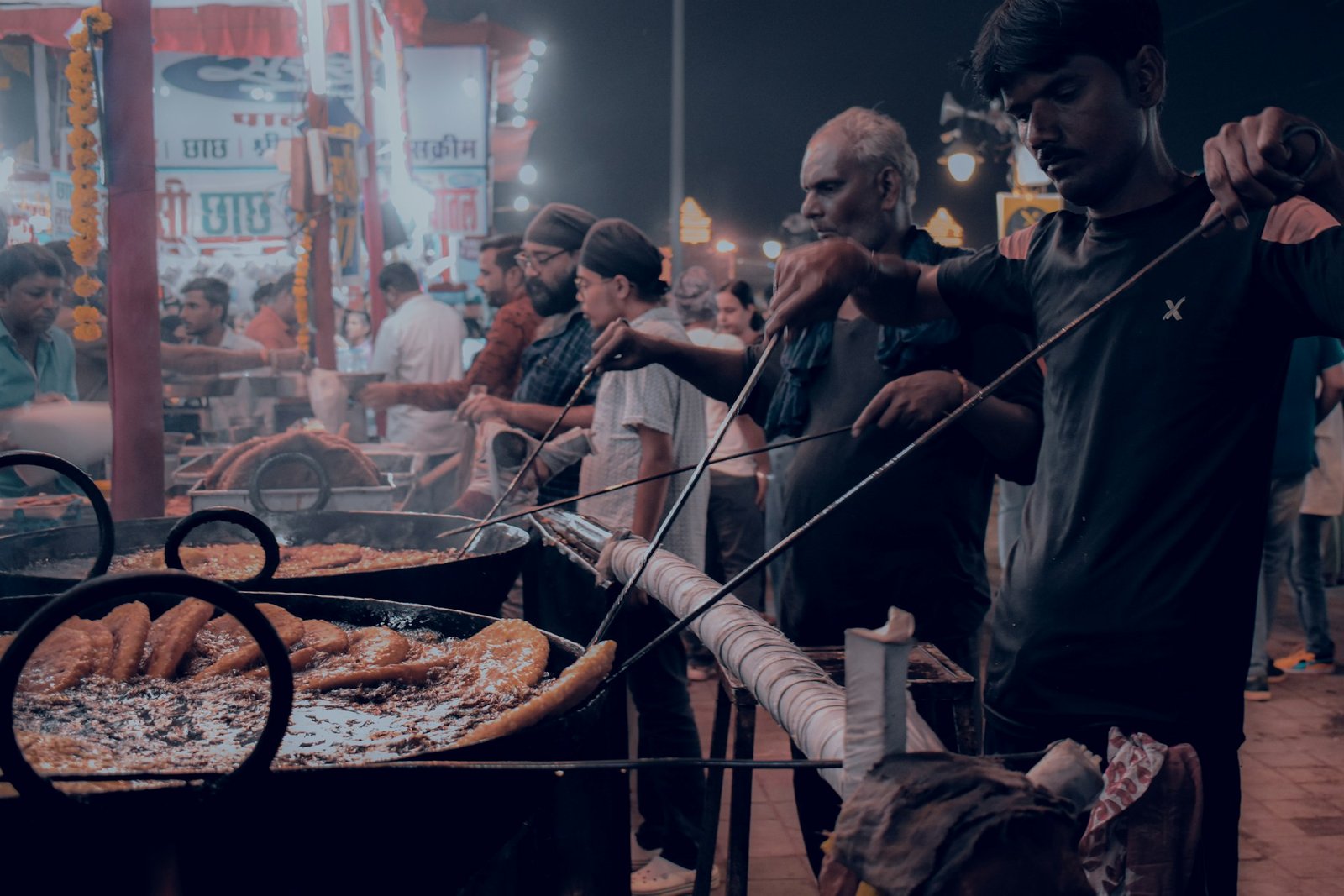
Rajasthan is famous for magnificent forts, royal palaces, colourful markets and desert landscapes, but its food is equally memorable. The cuisine reflects the state’s geography, royal history, community traditions and the creativity of people who learned to prepare flavourful meals in an arid environment.
Traditional Rajasthani cooking makes creative use of lentils, gram flour, millet, dried vegetables, yoghurt, ghee, spices and ingredients that can remain useful in a hot and dry climate. Alongside these practical foods are rich recipes connected with royal kitchens, festivals, weddings and family celebrations.
Every region has its own specialities. Jaipur is known for pyaaz kachori and ghevar, Jodhpur for mirchi bada and mawa kachori, Bikaner for bhujia and rasgulla, Pushkar for malpua and Kota for its distinctive kachori. Udaipur, Jaisalmer, Ajmer, Alwar and smaller towns add their own flavours to Rajasthan’s culinary identity.
This Rajasthan Food Guide covers famous vegetarian and non-vegetarian dishes, snacks, sweets, drinks and city-wise specialities. It also includes practical advice for ordering food, controlling spice levels and enjoying street food safely.
Why Is Rajasthani Food Unique?
The cuisine of Rajasthan developed under challenging climatic conditions. Fresh vegetables and water were not always easily available in many parts of the state, particularly in desert regions.
As a result, traditional cooks relied on ingredients such as:
-
Lentils
-
Gram flour
-
Bajra or pearl millet
-
Wheat
-
Dried beans
-
Dried berries
-
Yoghurt
-
Ghee
-
Papad
-
Mangodi
-
Spices
-
Pickles
-
Preserved ingredients
These ingredients were transformed into satisfying dishes that could provide energy and remain practical in local conditions.
Rajasthan’s food also reflects its historical diversity. Marwari, Mewari, Shekhawati, Dhundhari, Hadoti, Braj and desert-region traditions have all contributed to the state’s cuisine. Royal households developed rich meat dishes, while merchant and religious communities created an extraordinary range of vegetarian food.
Famous Rajasthani Vegetarian Dishes
Dal Baati Churma
Dal baati churma is Rajasthan’s most recognised traditional meal.
It consists of three principal components:
-
Dal: A seasoned preparation made with lentils
-
Baati: Firm, round wheat breads traditionally baked or roasted
-
Churma: Crushed wheat preparation mixed with ghee and sweetness
Baati is usually broken by hand and topped with ghee before being eaten with dal. Garlic chutney, salad, papad, pickle and buttermilk may accompany the meal.
Churma provides a sweet contrast to the savoury dal and baati. Some restaurants serve several varieties of baati and churma as part of a larger thali.
The meal can be rich and heavy, so first-time visitors may prefer a moderate portion.
Gatte Ki Sabzi
Gatte ki sabzi is prepared with gram-flour dumplings cooked in a spiced yoghurt-based gravy.
The dumplings are first shaped and cooked before being sliced and added to the gravy. The dish is generally served with roti, paratha or rice.
Its flavour and consistency vary by household and restaurant. Some versions are tangy and light, while others are richer and more heavily spiced.
Shahi Gatte or Govind Gatte
Shahi gatte is a richer variation of the traditional gram-flour dish. The dumplings may be stuffed with nuts or other ingredients and served in a creamy gravy.
This version is more commonly associated with festive meals, restaurants and special occasions.
Gatte Ki Khichdi
Gatte ki khichdi combines aromatic rice, spices and pieces of gram-flour dumplings.
It is sometimes known as Ram Pulao or Ram Paulo. It may be served with curd, raita, pickle or chutney.
Ker Sangri
Ker sangri is one of the most distinctive dishes of Rajasthan’s desert cuisine.
It combines:
-
Ker: A small desert berry
-
Sangri: Beans from the khejri tree
The ingredients are dried, soaked and cooked with spices to create a tangy and savoury preparation. The dish is commonly served with bajra roti, wheat roti or as part of a Rajasthani thali.
Ker sangri is especially associated with western Rajasthan and is frequently prepared during weddings and festive meals.
Papad Ki Sabzi
Papad ki sabzi demonstrates how a simple preserved ingredient can become a complete meal.
Pieces of papad are cooked in a seasoned gravy that may include yoghurt, spices or tomatoes depending on the recipe.
Because papad softens quickly in gravy, the dish is usually best eaten soon after it is prepared.
Mangodi Ki Sabzi
Mangodi consists of dried lentil dumplings that can be stored and used when fresh vegetables are limited.
The dumplings are cooked with spices and may be combined with potatoes, tomatoes or other ingredients. Mangodi ki sabzi is a comforting home-style dish that reflects Rajasthan’s traditional preservation techniques.
Sev Tamatar Ki Sabzi
Sev tamatar ki sabzi combines a tomato-based gravy with savoury gram-flour sev.
The sev is generally added near serving time so that it softens without completely losing its texture. It is commonly eaten with roti or paratha.
Panchmel Dal
Panchmel dal, also called panchratna dal, is made using a combination of lentils.
The exact mixture and seasoning vary, but the dish is valued for its rich texture and balanced flavour. It is often served with baati, rice or roti.
Rajasthani Kadhi
Rajasthani kadhi is prepared with yoghurt, gram flour and spices. It is generally thinner than some other regional varieties of kadhi and may be served with rice, khichdi or roti.
The level of sourness depends on the yoghurt and cooking style.
Bajra Roti
Bajra roti is made from pearl millet flour and is an important part of Rajasthan’s traditional winter diet.
It is often served with:
-
Ghee
-
Garlic chutney
-
Ker sangri
-
Gatte ki sabzi
-
Jaggery
-
Curd
-
Mixed vegetables
Bajra roti has a rustic texture and is best enjoyed fresh and hot.
Bajra Khichdi
Bajra khichdi is a warm and filling preparation made with pearl millet and lentils. It is especially comforting during winter.
It may be served with ghee, curd, kadhi, pickle or garlic chutney.
Raab
Raab is a traditional preparation commonly associated with millet flour. Its texture may resemble a thin porridge or nourishing drink, depending on the recipe.
It should not be confused with rabri, the sweet thickened-milk dessert.
Regional versions of raab may use different ingredients and seasonings.
Haldi Ki Sabzi
Haldi ki sabzi is prepared with fresh turmeric and is commonly associated with the winter season.
The dish may include yoghurt, ghee, peas or other ingredients. Fresh turmeric has a strong flavour, and the preparation can be rich.
Because it is seasonal, it may not be available throughout the year.
Methi Bajra Puri
Methi bajra puri combines millet flour, fenugreek and spices. It can be eaten with pickle, curd or a vegetable preparation.
The dish reflects the use of millet and robust flavours in traditional Rajasthani cooking.
Famous Rajasthani Non-Vegetarian Dishes
Laal Maas
Laal maas is Rajasthan’s most famous meat dish. It is a red mutton curry associated with bold chillies, garlic and spices.
Traditional versions can be extremely hot. Many restaurants adjust the spice level for visitors, but travellers should still ask before ordering.
Laal maas is commonly served with:
-
Tandoori roti
-
Bajra roti
-
Missi roti
-
Plain rice
-
Jeera rice
The colour alone does not always indicate the heat level, so confirm your preference with the restaurant.
Safed Maas
Safed maas translates to “white meat” and is associated with Rajasthan’s royal culinary traditions.
Unlike the fiery appearance of laal maas, safed maas is prepared with a pale, rich gravy that may include yoghurt, nuts, cream and aromatic spices.
The dish can be milder in colour, but its richness varies. It is commonly served with roti, paratha or rice.
Junglee Maas
Junglee maas is traditionally described as a rustic meat preparation using a limited number of ingredients.
Modern restaurant versions vary significantly. Some are intensely spicy, while others are adapted to suit contemporary diners.
Ask about the preparation and spice level before ordering.
Rajasthani Mutton Curry
Many restaurants and homes prepare regional mutton curries that do not strictly follow the laal maas or safed maas style.
The gravy, spices and cooking technique differ by city, community and family tradition. These dishes can offer a more home-style introduction to Rajasthan’s non-vegetarian food.
Machhli Jaisamandi
Machhli Jaisamandi is associated with the Mewar region and uses fish cooked with herbs, spices and a flavourful gravy.
The recipe may include coriander, mint, ginger and garlic. Availability depends on the restaurant and season.
Famous Breads of Rajasthan
Baati
Baati is a firm, round wheat bread traditionally roasted or baked. It is most commonly served with dal and churma.
Variations may include:
-
Plain baati
-
Masala baati
-
Stuffed baati
-
Bafla-style preparations
-
Baati topped with ghee
Bajra Roti
Pearl millet roti has an earthy flavour and is particularly popular in winter. It pairs well with garlic chutney, jaggery, ghee and traditional vegetables.
Missi Roti
Missi roti is generally prepared with gram flour, wheat flour and spices. It has a savoury flavour and works well with curries, yoghurt and pickle.
Tandoori Roti
Tandoori roti is widely served in restaurants and pairs well with both vegetarian and non-vegetarian curries.
Khoba Roti
Khoba roti is a thick Rajasthani bread decorated by pinching patterns into its surface while cooking.
It is commonly served with dal, vegetables, chutney or ghee. Its textured appearance makes it particularly distinctive.
Famous Rajasthani Chutneys and Accompaniments
Lehsun Ki Chutney
Rajasthani garlic chutney is bold, spicy and flavourful. It may be served with dal baati, bajra roti, snacks or a traditional thali.
Visitors sensitive to spice should try a small amount first.
Kachri Ki Chutney
Kachri is a desert ingredient used in chutneys, marinades and regional recipes.
Kachri chutney may have a tangy, sharp flavour and is often paired with breads or traditional meals.
Green Chutney
Mint, coriander, green chilli and other fresh ingredients may be used to prepare green chutney. It is commonly served with snacks and street food.
Pickles
Rajasthani meals frequently include spicy or tangy pickles made from ingredients such as chilli, mango, lime and regional vegetables.
Papad
Papad may be roasted or fried and served with a meal. It is also used as the principal ingredient in papad ki sabzi.
Famous Rajasthani Street Food and Snacks
Pyaaz Kachori
Pyaaz kachori is a crisp, deep-fried pastry filled with a seasoned onion mixture.
It is strongly associated with Jaipur and other parts of Rajasthan. It may be served with tamarind chutney, green chutney or a potato-based accompaniment.
The filling can be spicy, and the kachori is usually best when freshly prepared.
Mawa Kachori
Mawa kachori is a sweet variation filled with mawa and nuts before being coated or soaked in sugar syrup.
It is especially associated with Jodhpur. The sweet is rich, so one piece may be enough for several people to taste.
Kota Kachori
Kota is famous for a spicy lentil-filled kachori. Its strong spice blend gives it a different character from Jaipur’s onion-filled version.
It may be served with chutney or eaten on its own.
Mirchi Bada
Mirchi bada is particularly famous in Jodhpur.
A large green chilli is filled with a seasoned potato mixture, covered with gram-flour batter and deep-fried. The variety of chilli and preparation method affect its heat level.
It is commonly enjoyed with chutney and tea.
Samosa
Samosas are available throughout Rajasthan, with fillings and spice levels varying by shop and city.
They are generally served with green chutney, tamarind chutney or a chickpea preparation.
Kachori With Kadhi
In some Rajasthan cities, kachori is served with hot kadhi. This combination is particularly popular as a breakfast or daytime snack.
The kadhi may be tangy and the kachori spicy, creating a flavourful combination.
Pakodi and Bhajiya
Gram-flour fritters are especially enjoyable during the monsoon or cooler evenings. They may be prepared with onions, potatoes, chillies, spinach or other ingredients.
Bikaneri Bhujia
Bikaneri bhujia is one of Rajasthan’s most famous packaged snacks. It has a fine, crisp texture and a seasoned flavour.
When purchasing bhujia as a souvenir, check:
-
Manufacturing date
-
Expiry date
-
Ingredient list
-
Packaging seal
-
Allergen information
-
Storage instructions
Namkeen
Rajasthan offers many varieties of savoury mixtures containing sev, lentils, nuts, spices and fried ingredients.
Different cities and shops have their own recipes.
Famous Sweets of Rajasthan
Ghevar
Ghevar is a disc-shaped sweet with a delicate, porous structure. It is traditionally associated with Jaipur and festivals such as Teej and Raksha Bandhan.
Common varieties include:
-
Plain ghevar
-
Mawa ghevar
-
Malai ghevar
-
Rabri ghevar
Fresh dairy toppings reduce shelf life, so ask about refrigeration and travel suitability before purchasing.
Malpua
Malpua is a sweet fried pancake that may be soaked in sugar syrup and served with rabri.
Pushkar is particularly known for malpua. It is often prepared during festivals and special occasions.
Rabri
Rabri is made by slowly thickening milk and adding sugar and flavourings such as cardamom or saffron.
It may be served on its own or with malpua, jalebi, ghevar and other sweets.
Mawa Kachori
Jodhpur’s mawa kachori combines a crisp pastry exterior with a sweet milk-solid and nut filling.
It is heavier than an ordinary kachori and is generally served as a dessert.
Alwar Milk Cake
Alwar is widely known for milk cake, a rich sweet made from reduced milk and sugar.
Freshness and storage are important because it is a dairy product. Purchase it from a hygienic shop and ask about its suitable travel time.
Bikaneri Rasgulla
Bikaner is known for its own style of rasgulla. The sweet is soft, syrupy and commonly purchased in tins or sealed packaging for travel.
Check the seal and expiry date before purchasing packaged sweets.
Churma Laddoo
Churma can be shaped into laddoos using wheat, ghee, sugar or jaggery and flavourings.
These are rich, traditional sweets commonly prepared for celebrations and family occasions.
Besan Chakki
Besan chakki is a dense sweet made with gram flour, ghee and sugar. It may be flavoured with cardamom and garnished with nuts.
Moong Dal Halwa
Moong dal halwa is a rich dessert made with lentils, ghee, sugar and milk. It is especially popular during winter, weddings and festive meals.
Feeni
Feeni consists of fine, layered strands commonly served with warm milk, sugar, saffron or nuts.
It is often associated with winter and festive periods.
Balushahi
Balushahi is a flaky, fried sweet coated in sugar syrup. It is available in sweet shops throughout Rajasthan.
Imarti and Jalebi
Freshly prepared imarti and jalebi are commonly enjoyed during breakfast, festivals or evening outings. They may be served with milk or rabri.
Popular Drinks in Rajasthan
Chaas
Chaas is a light buttermilk drink that may be seasoned with salt, cumin and herbs.
It is often served with traditional meals and can balance rich or spicy food.
Lassi
Lassi is a yoghurt-based drink available in sweet, salted and flavoured varieties.
Some versions are very thick and may be topped with cream, saffron or nuts.
Makhaniya Lassi
Jodhpur is particularly associated with rich makhaniya lassi. It is generally thicker and sweeter than ordinary lassi and may include saffron, cardamom or a creamy topping.
Masala Chai
Tea is available across Rajasthan at cafés, restaurants, hotels and roadside stalls.
Common variations include:
-
Milk tea
-
Ginger tea
-
Cardamom tea
-
Masala tea
-
Lemon tea
-
Black tea
Choose a clean outlet and request less sugar when preferred.
Kesar Milk
Warm saffron-flavoured milk is popular during cooler evenings and at sweet shops.
Thandai
Thandai is a milk-based drink associated with festivals and warmer weather. Ingredients may include nuts, seeds and spices.
Some festival versions may contain bhang. Ask clearly about the ingredients before drinking.
City-Wise Rajasthan Food Guide
Famous Food to Try in Jaipur
Jaipur offers traditional Rajasthani meals, street food, sweets and modern dining.
Must-Try Jaipur Food
-
Dal baati churma
-
Pyaaz kachori
-
Ghevar
-
Rabri
-
Kachori with kadhi
-
Mirchi bada
-
Rajasthani thali
-
Gatte ki sabzi
-
Kulfi
-
Lassi
The walled city has many traditional food outlets, while areas such as MI Road, C-Scheme, Raja Park, Malviya Nagar and Vaishali Nagar offer cafés and restaurants.
Street-food conditions vary, so select busy outlets that prepare food fresh.
Famous Food to Try in Jodhpur
Jodhpur is one of Rajasthan’s most rewarding destinations for snacks and sweets.
Must-Try Jodhpur Food
-
Mirchi bada
-
Mawa kachori
-
Makhaniya lassi
-
Pyaaz kachori
-
Dal baati churma
-
Raab
-
Bajra roti
-
Gulab jamun
-
Rajasthani thali
-
Laal maas
The Clock Tower and old-city area have many food outlets, but travellers should balance street food with hygienic restaurant meals.
Famous Food to Try in Jaisalmer
Jaisalmer’s cuisine reflects its desert setting.
Must-Try Jaisalmer Food
-
Ker sangri
-
Gatte ki sabzi
-
Bajra roti
-
Papad ki sabzi
-
Panchmel dal
-
Dal baati churma
-
Garlic chutney
-
Rajasthani thali
-
Traditional camp dinner
Desert camps often provide buffet meals during cultural programmes. Food quality and menu variety depend on the camp category.
Travellers with dietary restrictions should inform the camp before arrival.
Famous Food to Try in Udaipur
Udaipur offers Mewari cuisine, traditional thalis, lake-view restaurants and modern cafés.
Must-Try Udaipur Food
-
Dal baati churma
-
Gatte ki sabzi
-
Ker sangri
-
Rajasthani thali
-
Laal maas
-
Safed maas
-
Mirchi bada
-
Rabri
-
Local-style curries
Restaurants around the old city and lake area can be scenic, but menu prices may be higher because of the location and view.
Famous Food to Try in Bikaner
Bikaner is famous for savoury snacks and sweets.
Must-Try Bikaner Food
-
Bikaneri bhujia
-
Namkeen
-
Kachori
-
Samosa
-
Papad
-
Rasgulla
-
Rajasthani thali
-
Bajra preparations
Packaged bhujia and sweets are popular souvenirs. Check the manufacturing and expiry dates before travelling.
Famous Food to Try in Pushkar
Pushkar is a sacred pilgrimage town with a strong vegetarian food culture.
Must-Try Pushkar Food
-
Malpua
-
Rabri
-
Lassi
-
Vegetarian thali
-
Kachori
-
Poha
-
Falafel and traveller-oriented café food
-
Fresh juices
-
Sweets
Many establishments serve vegetarian food, and local religious customs influence the availability of meat and alcohol. Visitors should respect local rules and traditions.
Famous Food to Try in Ajmer
Ajmer’s food reflects Rajasthani traditions along with Mughal and regional influences.
Must-Try Ajmer Food
-
Kadhi kachori
-
Sohan halwa
-
Rajasthani thali
-
Kachori
-
Street snacks
-
Milk-based sweets
-
Mughlai-influenced dishes
The lanes around Ajmer Sharif Dargah can become crowded. Choose a clean outlet and keep personal belongings secure.
Famous Food to Try in Kota
Kota is especially known for its spicy kachori.
Must-Try Kota Food
-
Kota kachori
-
Kachori with chutney
-
Namkeen
-
Dal baati churma
-
Rajasthani thali
-
Sweets
-
Chaat
Kota kachori can be strongly spiced. Travellers who prefer mild food should start with a small portion.
Famous Food to Try in Alwar
Alwar is most famous for its milk cake, also called Alwar ka mawa.
Must-Try Alwar Food
-
Alwar milk cake
-
Kalakand-style sweets
-
Kachori
-
Rajasthani thali
-
Milk-based desserts
Milk cake should be stored correctly, particularly during warm weather.
Famous Food to Try in Mount Abu
Mount Abu offers Rajasthani, Gujarati and North Indian food because of its location and tourist profile.
Food to Try in Mount Abu
-
Rajasthani thali
-
Gujarati thali
-
Dal baati churma
-
Street snacks
-
Corn during monsoon
-
Tea and pakodi
-
Milk-based sweets
The Nakki Lake market area has many food outlets. Prices and hygiene standards vary, so choose carefully.
Famous Food to Try in Bharatpur
Bharatpur’s food carries Rajasthani and Braj-region influences.
Food to Try in Bharatpur
-
Kachori
-
Bedai-style breakfast
-
Jalebi
-
Milk sweets
-
Rajasthani thali
-
Seasonal local preparations
Travellers visiting Keoladeo National Park may prefer an early breakfast or carry suitable snacks according to park regulations.
Understanding a Traditional Rajasthani Thali
A Rajasthani thali allows visitors to taste several dishes in one meal.
A typical thali may contain:
-
Dal
-
Baati
-
Churma
-
Gatte ki sabzi
-
Ker sangri
-
Kadhi
-
Seasonal vegetable
-
Rice
-
Roti
-
Papad
-
Pickle
-
Garlic chutney
-
Salad
-
Buttermilk
-
Sweet
Not every thali includes all these items. Menus vary according to the restaurant, season and region.
Some traditional thali restaurants offer unlimited servings, while others serve fixed portions. Confirm the format and price before ordering.
Vegetarian Food in Rajasthan
Rajasthan is an excellent destination for vegetarian travellers. A large part of its traditional cuisine is vegetarian and many restaurants maintain entirely vegetarian kitchens.
Popular vegetarian choices include:
-
Dal baati churma
-
Gatte ki sabzi
-
Ker sangri
-
Papad ki sabzi
-
Kadhi
-
Bajra roti
-
Panchmel dal
-
Mangodi ki sabzi
-
Sev tamatar
-
Vegetable pulao
-
Rajasthani thali
Vegetarian travellers should still confirm whether gravies contain ingredients they prefer to avoid.
Vegan Food in Rajasthan
Several traditional dishes can be vegan or adapted, but ghee, butter, milk, yoghurt and cream are widely used.
Before ordering, clearly ask the restaurant to avoid:
-
Ghee
-
Butter
-
Milk
-
Curd
-
Cream
-
Paneer
-
Khoya or mawa
Suitable dishes may include plain roti, rice, dal and selected vegetables when prepared without dairy.
Do not assume that a vegetarian dish is automatically vegan.
Jain Food in Rajasthan
Jain food is available in many Rajasthan cities, especially near Jain temples and pilgrimage destinations.
Jain preparations generally avoid root vegetables and may follow additional dietary restrictions.
Inform the restaurant clearly about your requirements rather than asking only for “vegetarian food.”
Advance notice is useful at hotels, desert camps and resorts.
Gluten-Free Food Considerations
Wheat is widely used in baati, roti, kachori and many snacks. Gram flour and millet are naturally different from wheat, but cross-contact can occur in kitchens.
Travellers with coeliac disease or serious allergies should:
-
Explain the condition clearly.
-
Ask about ingredients.
-
Ask about shared oil and cooking surfaces.
-
Avoid assuming a dish is safe from its name.
-
Carry suitable backup food.
-
Choose restaurants able to handle dietary requirements.
Nut and Dairy Allergies
Nuts, milk, yoghurt, ghee, cream and mawa are common in Rajasthani sweets and royal-style gravies.
Ask specifically about:
-
Cashews
-
Almonds
-
Pistachios
-
Peanuts
-
Milk
-
Cream
-
Paneer
-
Ghee
-
Mawa
-
Garnishes
Removing visible nuts does not make a dish safe if nuts were used in the gravy.
How to Request Less-Spicy Food
Saying “medium spicy” can mean different things to different cooks.
Be clear and request:
-
No green chilli
-
Less red chilli
-
Mild gravy
-
Chilli served separately
-
Garlic chutney served separately
-
No chilli garnish
Even a mild version may contain some spice because the base preparation is made in advance.
Curd, plain rice, bread and buttermilk may help balance the meal’s flavour, but travellers with medical dietary restrictions should follow professional advice.
Street Food Safety Tips
Rajasthan’s street food is tempting, but hygiene should be considered.
Choose outlets where:
-
Food is cooked fresh
-
Ingredients are covered
-
Oil does not appear excessively old
-
Plates and utensils are clean
-
Drinking water is from a safe source
-
The stall has regular customer turnover
-
Dairy products are properly chilled
-
Staff handle food hygienically
Avoid food that has remained uncovered for long periods.
Check the seal on packaged water and beverages.
Eating During Long Road Journeys
Heavy meals can make long drives uncomfortable.
On transfer days:
-
Eat a moderate breakfast.
-
Carry light snacks.
-
Avoid overeating fried food.
-
Drink adequate safe water.
-
Use clean restaurants or highway facilities.
-
Keep medicines easily accessible.
-
Inform the driver when a meal stop is needed.
-
Avoid experimenting with extremely spicy food before a long journey.
Buying Food as a Rajasthan Souvenir
Popular edible souvenirs include:
-
Bikaneri bhujia
-
Namkeen
-
Papad
-
Pickles
-
Packaged sweets
-
Spices
-
Tea blends
-
Chutneys
-
Dry snacks
Before purchasing, check:
-
Manufacturing date
-
Expiry date
-
Ingredient list
-
Allergen information
-
Vegetarian or non-vegetarian symbol
-
Packaging seal
-
Storage instructions
-
Suitability for travel
-
Airline restrictions
-
Customs rules for international travel
Fresh dairy sweets may not be suitable for long journeys without refrigeration.
Common Food Mistakes Travellers Should Avoid
Ordering Too Many Rich Dishes Together
Dal baati, churma, kachori, laal maas and sweets can all be heavy. Order gradually and share dishes when possible.
Assuming Every Red Curry Is Extremely Spicy
Colour and spice level are not always the same. Ask the restaurant directly.
Assuming Vegetarian Means Vegan
Ghee, curd, butter, cream and paneer are common in vegetarian cooking.
Forgetting to Mention Allergies
Do not rely on the menu description alone. Explain allergies clearly before ordering.
Drinking Unverified Water
Use sealed packaged water or verified filtered water.
Buying Dairy Sweets Without Checking Shelf Life
Ask how long the sweet can remain unrefrigerated and whether it is suitable for your journey.
Eating Only Street Food
Street food is an enjoyable part of the trip, but balance it with freshly prepared restaurant or hotel meals.
Ordering a Full Thali Before a Long Drive
A large thali can be heavy. Plan it on a relaxed sightseeing day rather than immediately before a long transfer.
Confusing Raab With Rabri
Raab is generally a savoury or lightly seasoned millet-based preparation, while rabri is a sweet thickened-milk dessert.
Suggested Rajasthan Food Journey
Travellers following a multi-city Rajasthan itinerary can try different specialities in each destination.
Jaipur
Try pyaaz kachori, dal baati churma, ghevar and a traditional thali.
Bikaner
Try bhujia, namkeen, kachori and Bikaneri rasgulla.
Jaisalmer
Try ker sangri, bajra roti, gatte ki sabzi and a desert-camp dinner.
Jodhpur
Try mirchi bada, mawa kachori, makhaniya lassi and laal maas.
Udaipur
Try a Mewari or Rajasthani thali, gatte ki sabzi and regional meat dishes if desired.
Ajmer
Try kadhi kachori, local sweets and Mughlai-influenced food.
Pushkar
Try malpua with rabri, lassi and vegetarian café food.
Kota
Try Kota kachori and local namkeen.
Alwar
Try the city’s famous milk cake.
This approach allows travellers to experience Rajasthan’s regional variety instead of repeatedly ordering the same dishes.
Frequently Asked Questions About Rajasthani Food
What is Rajasthan’s most famous food?
Dal baati churma is Rajasthan’s most recognised complete meal. Other famous dishes include gatte ki sabzi, ker sangri, laal maas and pyaaz kachori.
Is Rajasthani food very spicy?
Some dishes can be extremely spicy, but not every preparation is hot. Restaurants can often reduce the chilli level when requested.
Is vegetarian food easily available in Rajasthan?
Yes. Rajasthan has a strong vegetarian food tradition, and vegetarian restaurants are widely available.
What sweet is Jaipur famous for?
Jaipur is particularly associated with ghevar, especially during Teej and Raksha Bandhan.
What food is Jodhpur famous for?
Jodhpur is famous for mirchi bada, mawa kachori and makhaniya lassi.
What food is Bikaner famous for?
Bikaner is famous for bhujia, namkeen, papad and Bikaneri rasgulla.
What should I eat in Pushkar?
Popular choices include malpua with rabri, lassi, vegetarian thalis, kachori and traveller-friendly café food.
What should I eat in Jaisalmer?
Try ker sangri, bajra roti, gatte ki sabzi, papad ki sabzi and a traditional Rajasthani thali.
Is laal maas always extremely hot?
Traditional versions can be very spicy, but restaurant versions vary. Ask about the chilli level before ordering.
Can I carry Rajasthani sweets on a flight?
Many sweets can be carried when correctly packed and permitted by the airline, but dairy-based products may have a limited shelf life. Check airline and destination regulations.
Final Thoughts
Rajasthan’s cuisine is as varied as its landscapes. Desert communities created flavourful meals from dried ingredients, millet and gram flour, while royal kitchens developed rich curries, sweets and festive dishes.
A complete food experience should include more than one famous thali. Try Jaipur’s pyaaz kachori, Jodhpur’s mirchi bada, Bikaner’s bhujia, Pushkar’s malpua, Alwar’s milk cake and traditional dishes such as ker sangri and gatte ki sabzi.
Enjoy street food in moderation, choose clean outlets and explain allergies or dietary restrictions clearly. Ask for lower spice levels when needed and avoid ordering too many rich dishes at once.
Most importantly, leave room in your Rajasthan itinerary for unhurried meals. Food is not simply an addition to the journey—it is one of the best ways to understand the history, hospitality and everyday culture of Rajasthan.