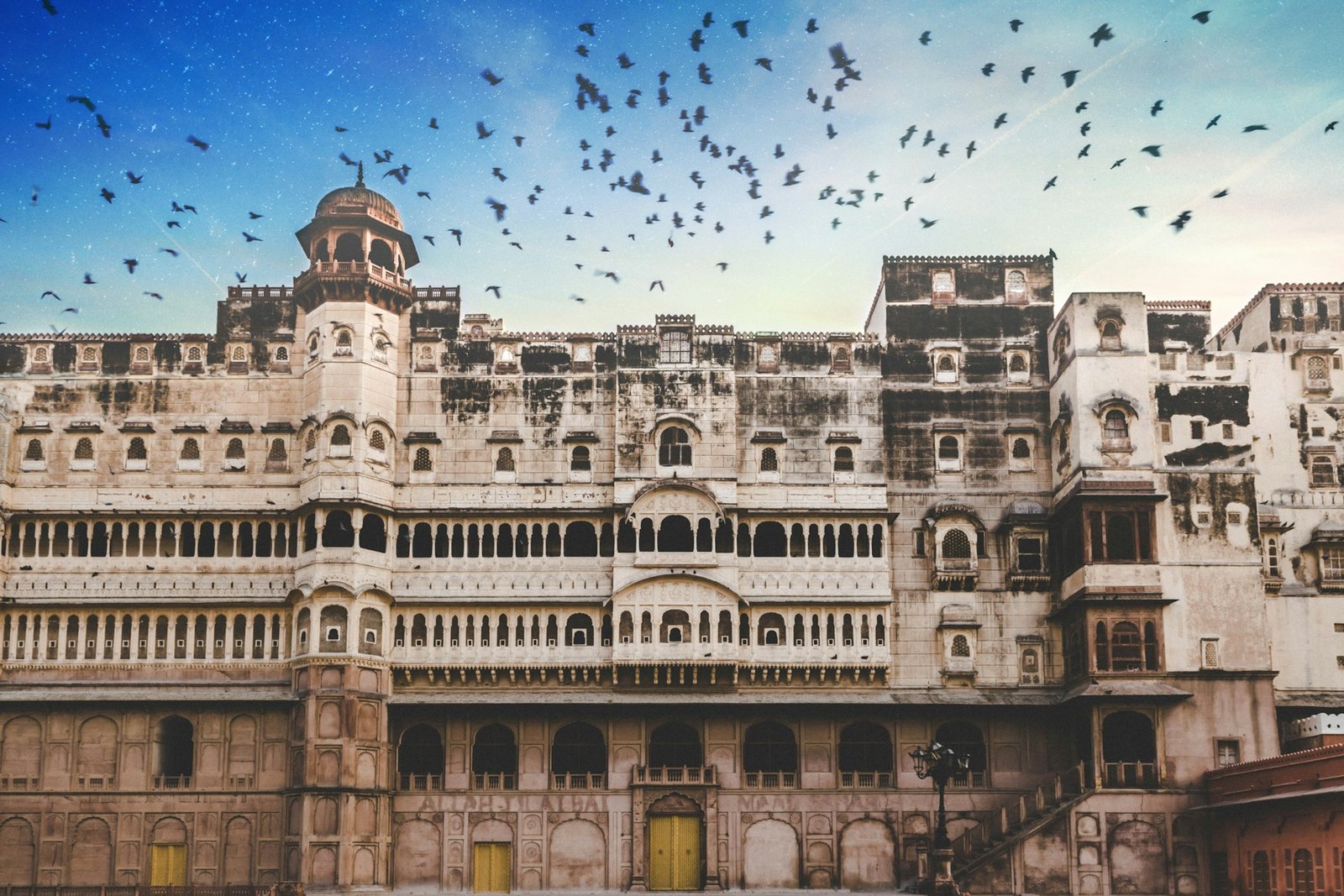
Discover magnificent forts, red-sandstone havelis, camel heritage, desert traditions and the distinctive flavours of Rajasthan’s royal desert city.
Bikaner is a historic desert city in northern Rajasthan, known for its magnificent fort, beautifully carved havelis, royal palaces, colourful markets and traditional food. Compared with Rajasthan’s busier tourist cities, Bikaner offers a relaxed heritage experience and gives visitors more time to appreciate its architecture and local way of life.
The city’s most famous landmark is Junagarh Fort, an impressive royal complex built on the plains rather than on a hill. Its courtyards, balconies, decorated rooms and museum collections reflect the artistic tastes of Bikaner’s former rulers. The old city adds another layer to the experience with narrow streets, traditional shops and the grand red-sandstone façades of Rampuria Havelis.
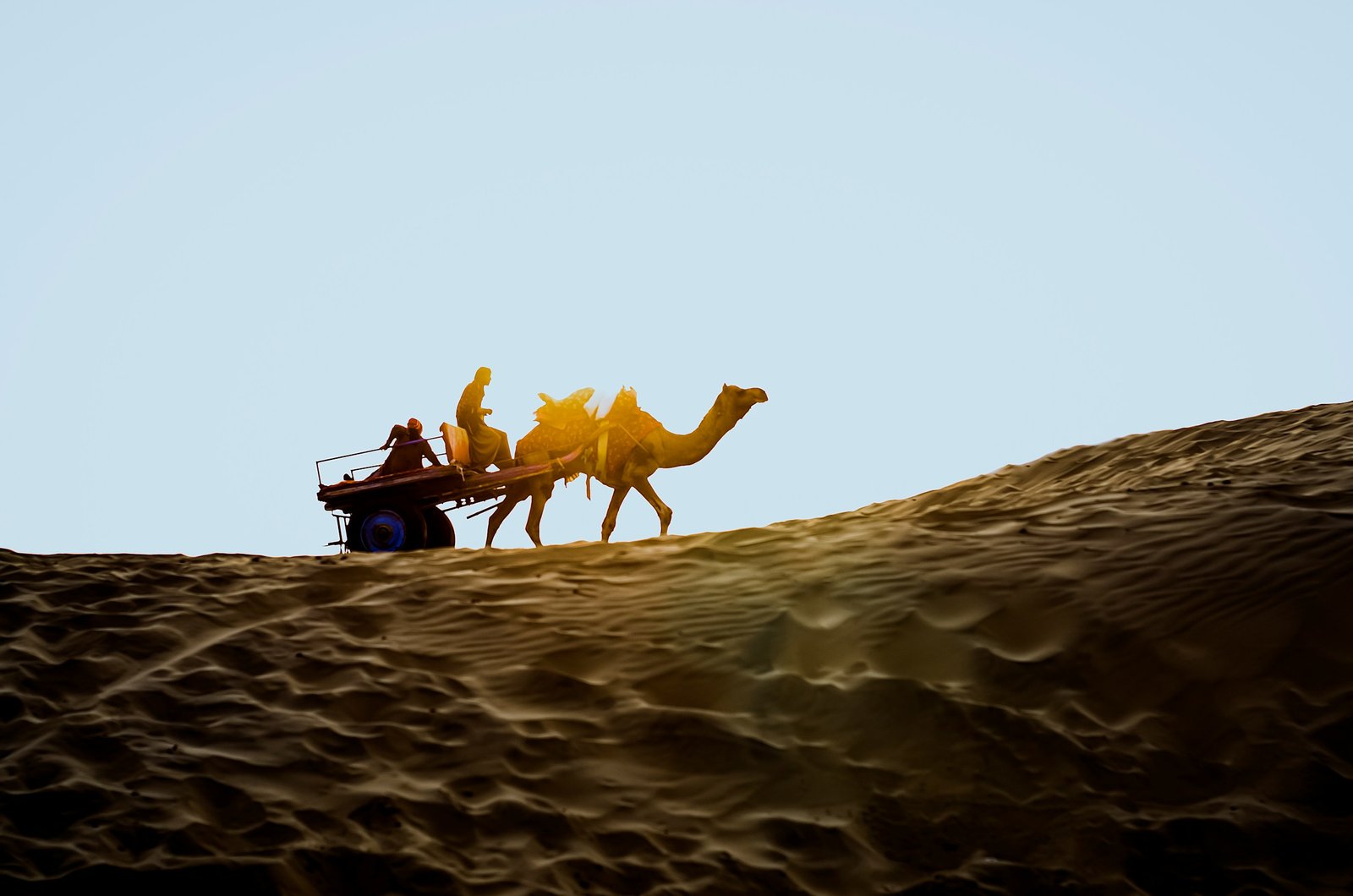
Bikaner is also closely connected with Rajasthan’s camel culture. Travellers can visit the National Research Centre on Camel, explore desert landscapes and taste the world-famous Bikaneri bhujia. Religious attractions such as Karni Mata Temple at Deshnok and Bhandasar Jain Temple make the destination equally interesting for spiritual travellers.
A Bikaner holiday is suitable for families, couples, heritage lovers, photographers, food enthusiasts and travellers planning a road trip between Jaipur and Jaisalmer.
Bikaner was founded in 1488 by Rao Bika, a Rathore prince and the son of Rao Jodha, the founder of Jodhpur. Rao Bika established his kingdom in the region historically known as Jangladesh and developed Bikaner into an important centre on the desert trade routes.
The city’s strategic location helped it grow through trade, military alliances and cultural exchange. Successive rulers constructed forts, palaces, temples, reservoirs and grand havelis that continue to shape Bikaner’s architectural identity.
Junagarh Fort was largely developed during the reign of Raja Rai Singh in the late sixteenth century. Unlike many famous forts in Rajasthan, it was constructed on level ground. Later rulers added palaces, courtyards and decorative chambers in different architectural styles.
During the rule of Maharaja Ganga Singh, Bikaner entered a period of administrative and infrastructural development. Lalgarh Palace, public buildings and the Ganga Canal are important reminders of this period.
Today, Bikaner preserves its royal history while remaining a lively modern city. Historic buildings, local crafts, festivals, food traditions and desert communities keep its cultural identity alive.
Junagarh Fort is the most important tourist attraction in Bikaner. The fort complex contains grand gateways, courtyards, balconies, royal apartments and museum galleries.
Visitors can explore beautifully decorated sections such as Anup Mahal, Karan Mahal, Phool Mahal, Chandra Mahal and Badal Mahal. Intricate mirror work, painted walls, carved stone and traditional furnishings make the fort one of Rajasthan’s finest heritage sites.
Located within the Junagarh Fort complex, Prachina Museum displays royal costumes, textiles, household objects, decorative items and personal belongings associated with Bikaner’s former rulers. It offers an interesting look at the lifestyle and traditions of the royal family.
Rampuria Havelis are a group of magnificent mansions in Bikaner’s old city. Their red-sandstone façades, carved windows, balconies and decorative details make them especially popular with architecture lovers and photographers.
The exterior can be explored during an old-city walk. As some buildings may be privately owned, visitors should respect local access restrictions.
Bhandasar Jain Temple is admired for its colourful paintings, carved pillars and detailed interior decoration. The temple offers a peaceful spiritual experience and is an important part of Bikaner’s religious heritage.
Visitors should dress respectfully, remove footwear where required and follow the temple’s photography rules.
Lalgarh Palace combines Rajput, Mughal and European architectural influences. Its red-sandstone exterior, decorative corridors and landscaped surroundings reflect the royal elegance of twentieth-century Bikaner.
Some portions of the palace may operate as a heritage hotel or have restricted access. Visitors should confirm current entry arrangements before travelling.
The National Research Centre on Camel provides information about different camel breeds, desert ecology and the role of camels in local life. Depending on the schedule, visitors may also see camel enclosures and try camel-milk products.
Timings and visitor activities can change, so checking current information before the visit is recommended.
Devi Kund Sagar is the royal cremation ground of Bikaner’s former rulers. Its elegant cenotaphs feature carved pillars, domes and traditional Rajput design. The site is peaceful and particularly interesting for heritage photography.
Located outside Bikaner in Deshnok, Karni Mata Temple is one of the region’s most unusual and revered religious sites. The temple is famous for the thousands of rats considered sacred by devotees.
Visitors must remove footwear and follow local customs carefully. Those uncomfortable with close contact with animals should consider this before visiting.
Gajner Palace is a heritage property beside a scenic lake, approximately 30–35 kilometres from Bikaner. The surrounding landscape offers a peaceful break from the city and is especially attractive around sunset.
Access to certain sections may depend on hotel policies or entry arrangements.
Jorbeer is known for its desert landscape and birdlife, particularly birds of prey. It attracts birdwatchers and wildlife photographers during the suitable season.
Visitors should maintain distance from wildlife, avoid littering and follow any local access or photography instructions.
Walk through Bikaner’s traditional neighbourhoods to see red-sandstone havelis, historic temples, old shops and local markets. Early morning and late afternoon generally provide comfortable weather and attractive light for photography.
Visit the National Research Centre on Camel or arrange a camel-related desert experience through a reliable local operator. Activities and availability depend on the season and selected location.
Bikaner’s markets sell embroidered textiles, leather products, miniature artwork, wooden crafts, jewellery, papad, spices and traditional snacks. The city is also associated with Usta art, an intricate decorative craft traditionally created using fine floral and geometric designs.
Junagarh Fort, Rampuria Havelis, Devi Kund Sagar and the old city offer excellent photography opportunities. Always ask permission before photographing local residents or private buildings.
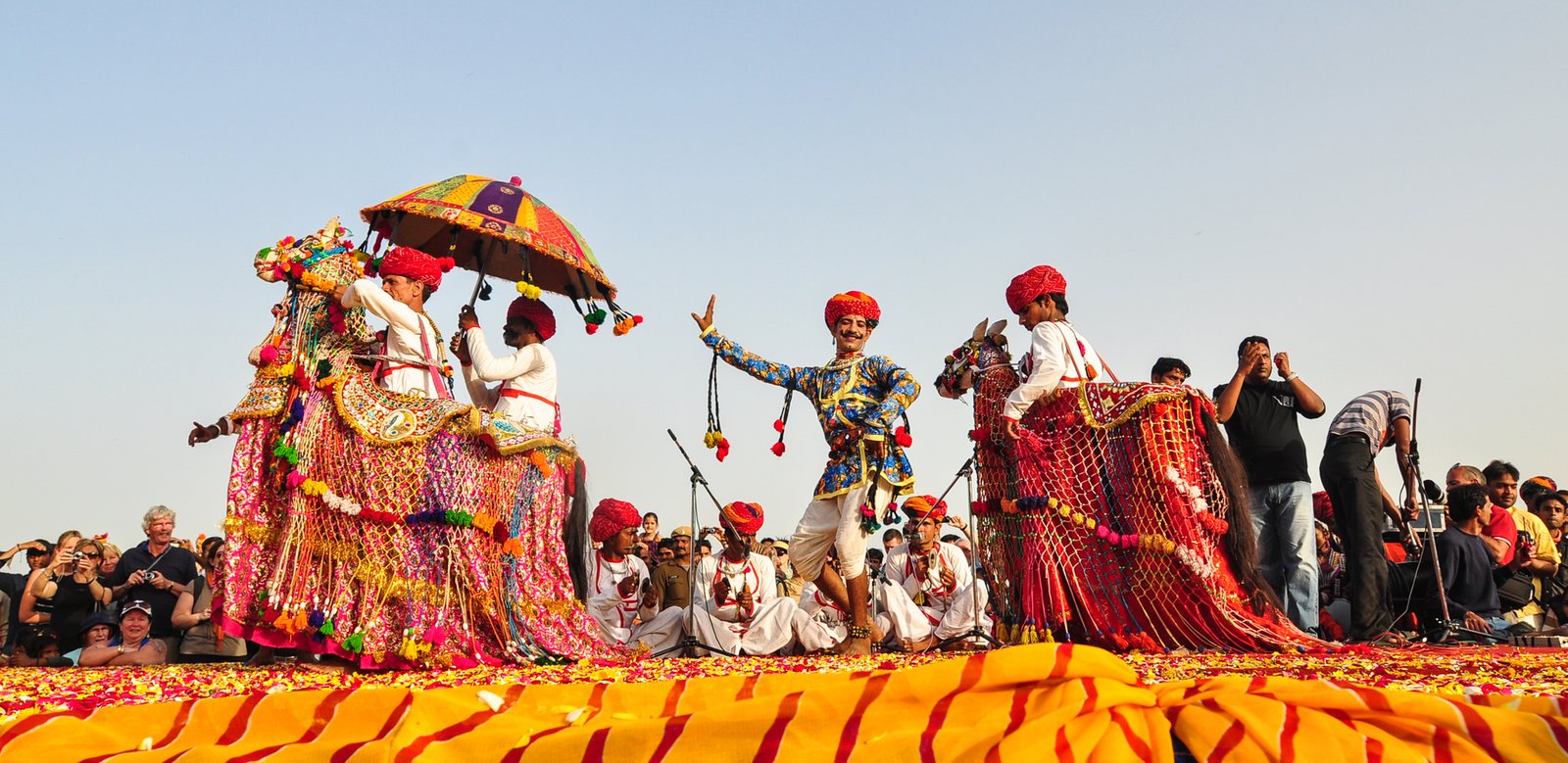
Selected hotels and cultural venues may arrange Rajasthani folk music and dance programmes. Availability depends on the season and property schedule.
A visit to Gajner or another suitable location outside the city can be planned around sunset. Travellers should arrange transport in advance, particularly when returning after dark.
Bikaner is one of Rajasthan’s best-known food destinations. Its snacks, sweets and traditional meals are an important part of the travel experience.
Bikaneri bhujia is the city’s most famous snack. This thin, crispy and spicy preparation is commonly made using moth beans and gram flour. Packaged bhujia is also a popular souvenir.
Freshly prepared kachori filled with spiced lentils or other savoury ingredients is a popular breakfast and evening snack. It is often served with chutney or a flavourful curry.
Bikaner is also known for its soft and syrupy rasgullas. Travellers can find them at established sweet shops across the city.
Bikaneri papad and mangodi are widely used in traditional Rajasthani cooking. They are easy to carry and are frequently purchased as food souvenirs.
Ker sangri is a traditional desert preparation made from locally available dried berries and beans. It is usually cooked with spices and served with roti.
Gatte ki sabzi consists of gram-flour dumplings cooked in a seasoned yoghurt-based gravy. It is commonly served with roti or rice.
Bajra roti is a rustic millet flatbread usually enjoyed with vegetables, lentils, curd, garlic chutney or ghee.
Visitors can also try rabri, ghevar, laddoo and other regional sweets. Choose busy, well-maintained eateries and drink sealed or filtered water, especially when trying street food.
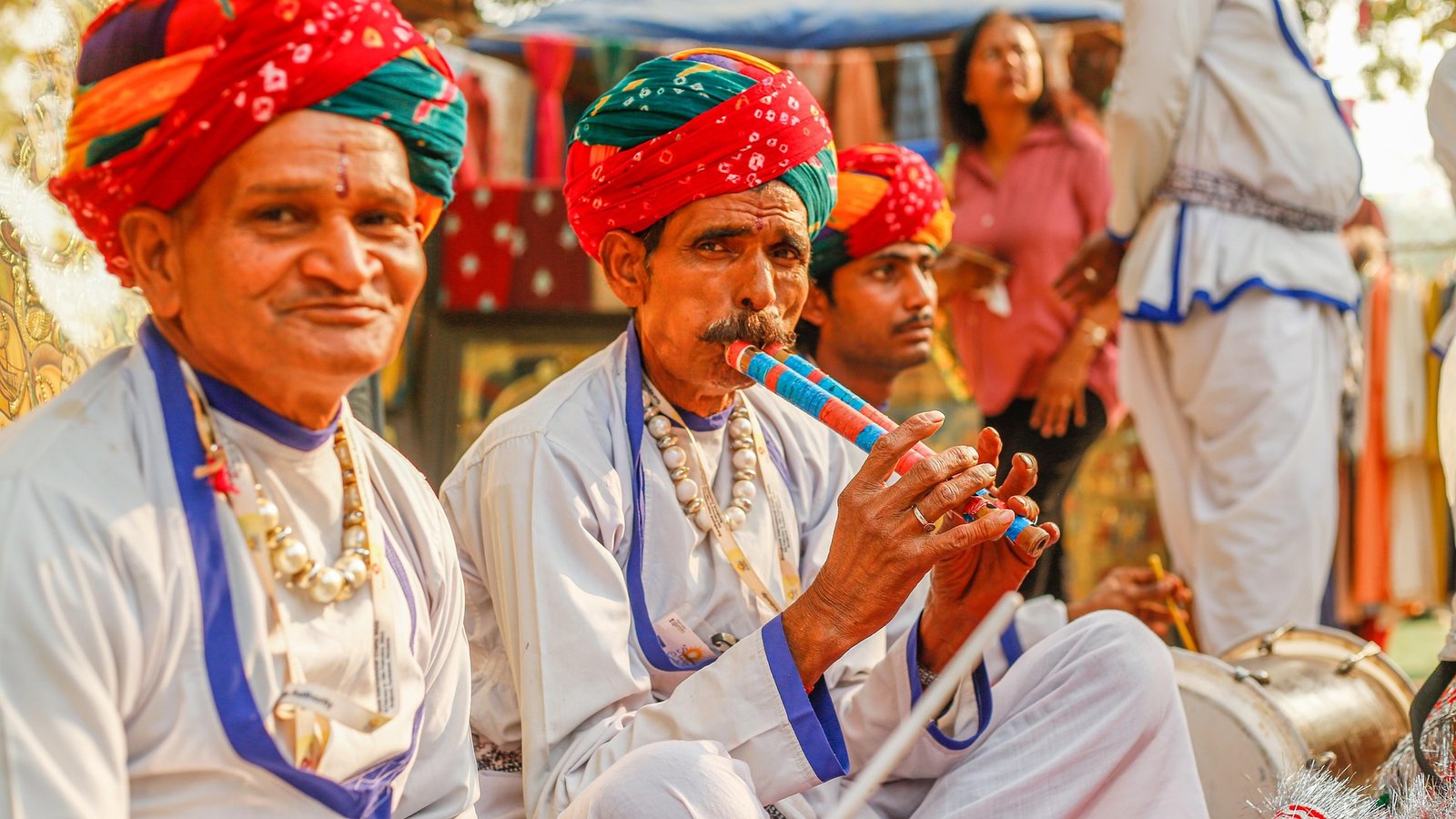 10 Days / 9 Nights
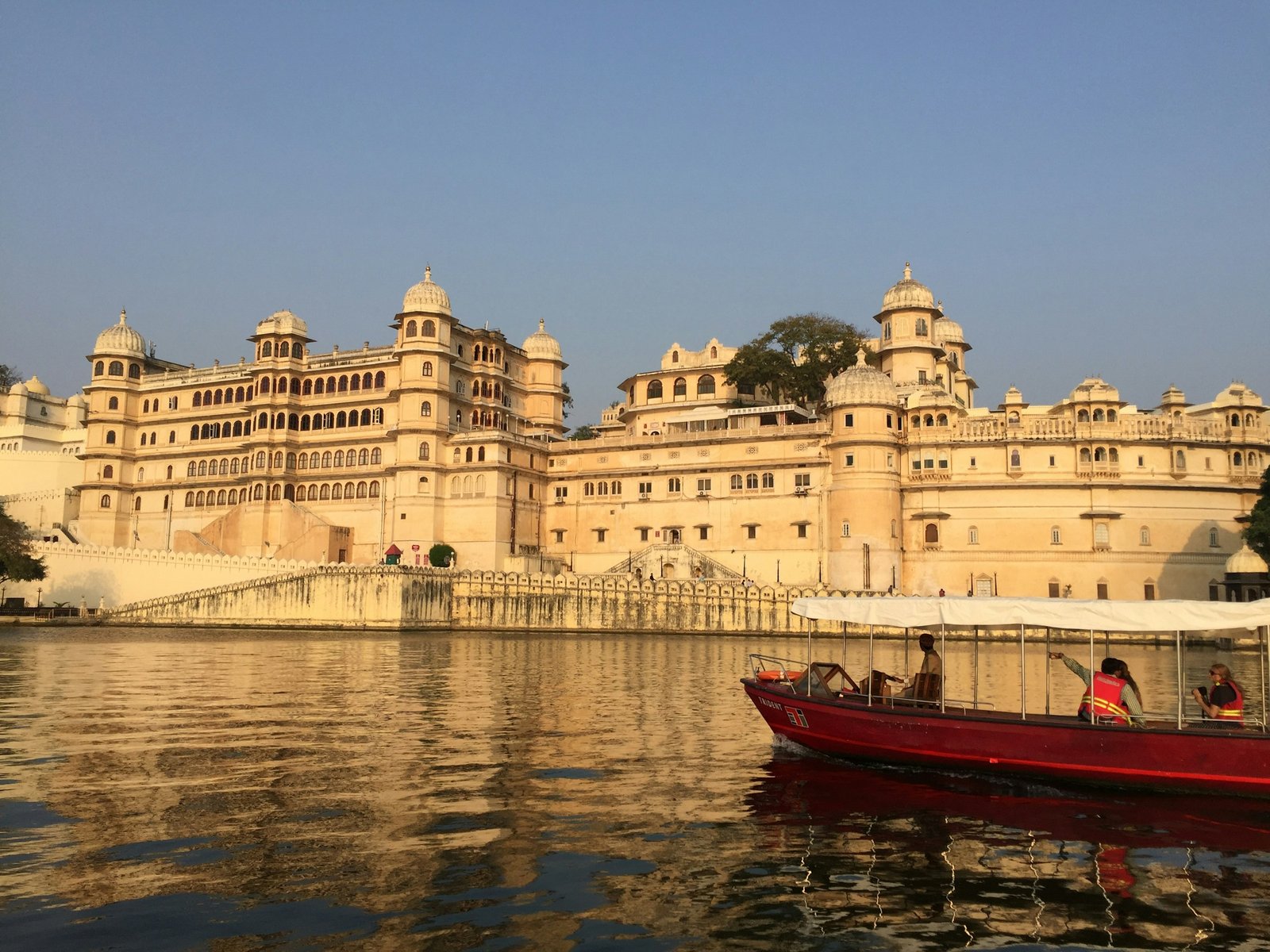
Explore Rajasthan’s royal history, magnificent forts, desert landscapes, lake palaces and spiritual destinations with our 9 Nights 10 Days Historical Rajasthan Tour Package. The journey covers Jaipur, Bikaner, Jaisalmer, Jodhpur, Kumbhalgarh, Udaipur, Ajmer and Pushkar with private sightseeing, a Jaisalmer desert camp stay and convenient Jaipur pickup and drop.
Bikaner is connected with major cities of Rajasthan and northern India by road and rail. The city also has an airport with limited and schedule-dependent flight services.
Bikaner Airport, also known as Nal Airport, uses the airport code BKB. It is located approximately 13–15 kilometres from central Bikaner.
Flight frequency and routes may be limited, so travellers should check current schedules before planning their journey. Taxis can be arranged between the airport and hotels in the city.
When a suitable flight to Bikaner is unavailable, travellers can consider:
Jodhpur Airport
Jaipur International Airport
A flight to Delhi followed by a train or road journey
The most convenient alternative depends on the complete itinerary, travel date and onward destination.
Bikaner Junction, with station code BKN, is the main railway station serving the city. It is connected with several destinations in Rajasthan and other parts of India.
Taxis, auto-rickshaws and hotel transfers are generally available outside the station. Travellers arriving late at night should arrange their pickup in advance.
Lalgarh Junction, with station code LGH, is another important railway station in Bikaner. Some trains may arrive at Lalgarh instead of Bikaner Junction, so passengers should check the station name carefully before travelling.
The distance to a hotel will depend on its location within the city.
Bikaner has road connections with Jaipur, Jodhpur, Jaisalmer, Nagaur, Mandawa, Sri Ganganagar and Delhi. Government buses, private buses and taxis operate on several routes.
A private vehicle is particularly convenient for travellers who want to include Deshnok, Gajner, Kolayat or other attractions outside the city.
Actual journey times depend on traffic, road conditions, rest stops and the selected route.
Deshnok is located approximately 30–35 kilometres from Bikaner and is famous for Karni Mata Temple. It can be visited as a half-day excursion or combined with other attractions south of the city.
Gajner is approximately 30–35 kilometres from Bikaner. Its palace, lake and peaceful surroundings make it a suitable short excursion, especially for travellers interested in heritage settings and sunset views.
Kolayat is approximately 50–55 kilometres from Bikaner. It is known for Kolayat Lake, traditional ghats and the Kapil Muni Temple. The destination has religious importance and becomes particularly active during local fairs and festivals.
Mukam is an important pilgrimage destination associated with the Bishnoi community. It can be considered by travellers interested in local faith, community traditions and the cultural landscape around Bikaner.
Nagaur is approximately 115–120 kilometres from Bikaner. Its main attraction is Nagaur Fort, also known as Ahhichatragarh Fort, which contains palaces, courtyards, murals and historic water systems.
Tal Chhapar Sanctuary is known for its open grassland landscape, blackbuck population and seasonal birdlife. It is a worthwhile excursion for wildlife enthusiasts when combined with suitable transport and seasonal planning.
Khimsar is known for its heritage fort and desert surroundings. It can be included while travelling between Bikaner, Nagaur and Jodhpur.
Mandawa and nearby towns in Shekhawati are famous for painted havelis, merchant mansions and traditional frescoes. This region is ideal for architecture lovers and travellers continuing towards Jaipur or Delhi.
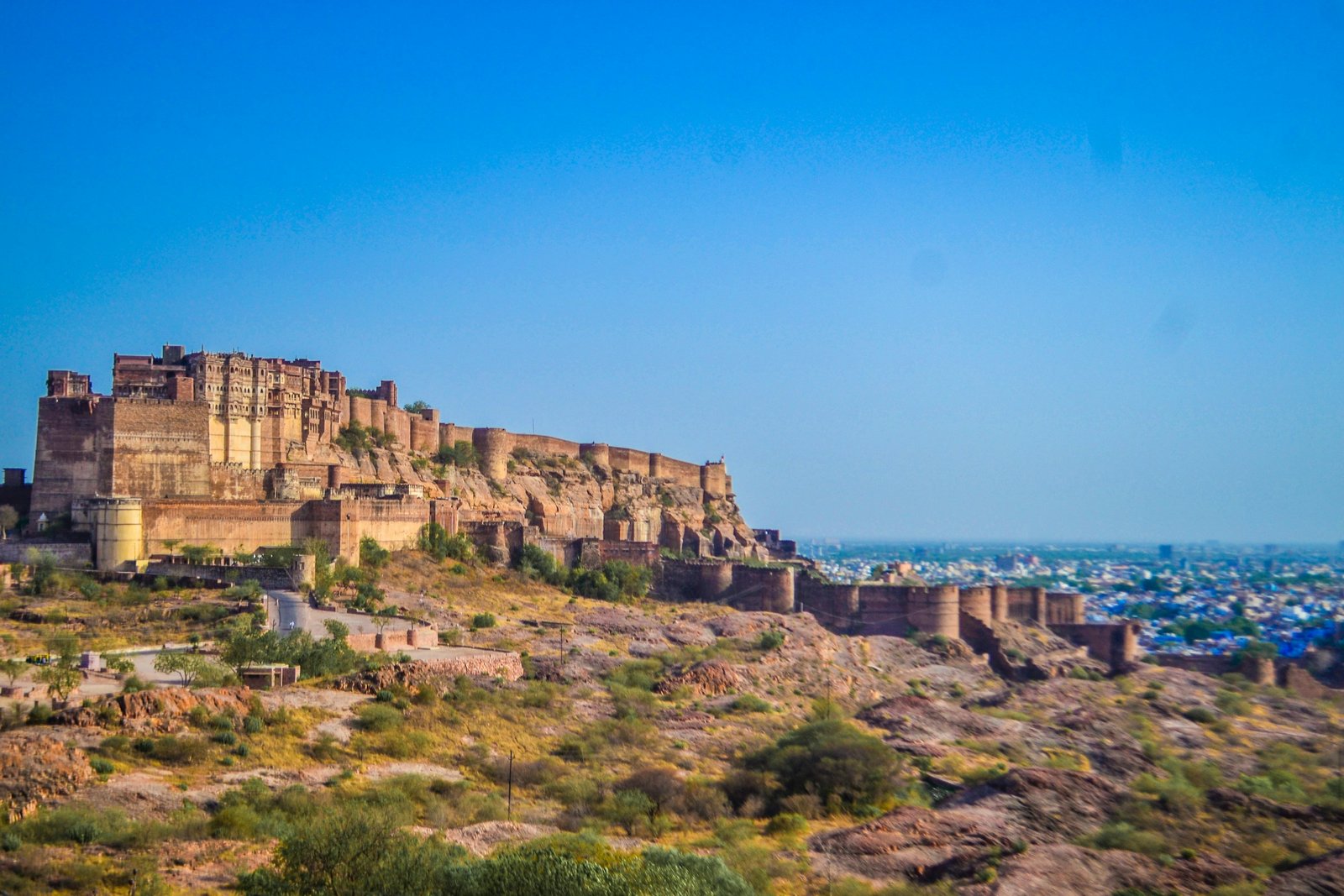
Jodhpur is approximately 245–255 kilometres from Bikaner. Major attractions include Mehrangarh Fort, Jaswant Thada, Umaid Bhawan Palace Museum, Clock Tower and the Blue City neighbourhoods.
Jaisalmer is approximately 325–335 kilometres from Bikaner. Travellers often combine both cities in a western Rajasthan itinerary covering forts, havelis, desert camps and camel experiences.
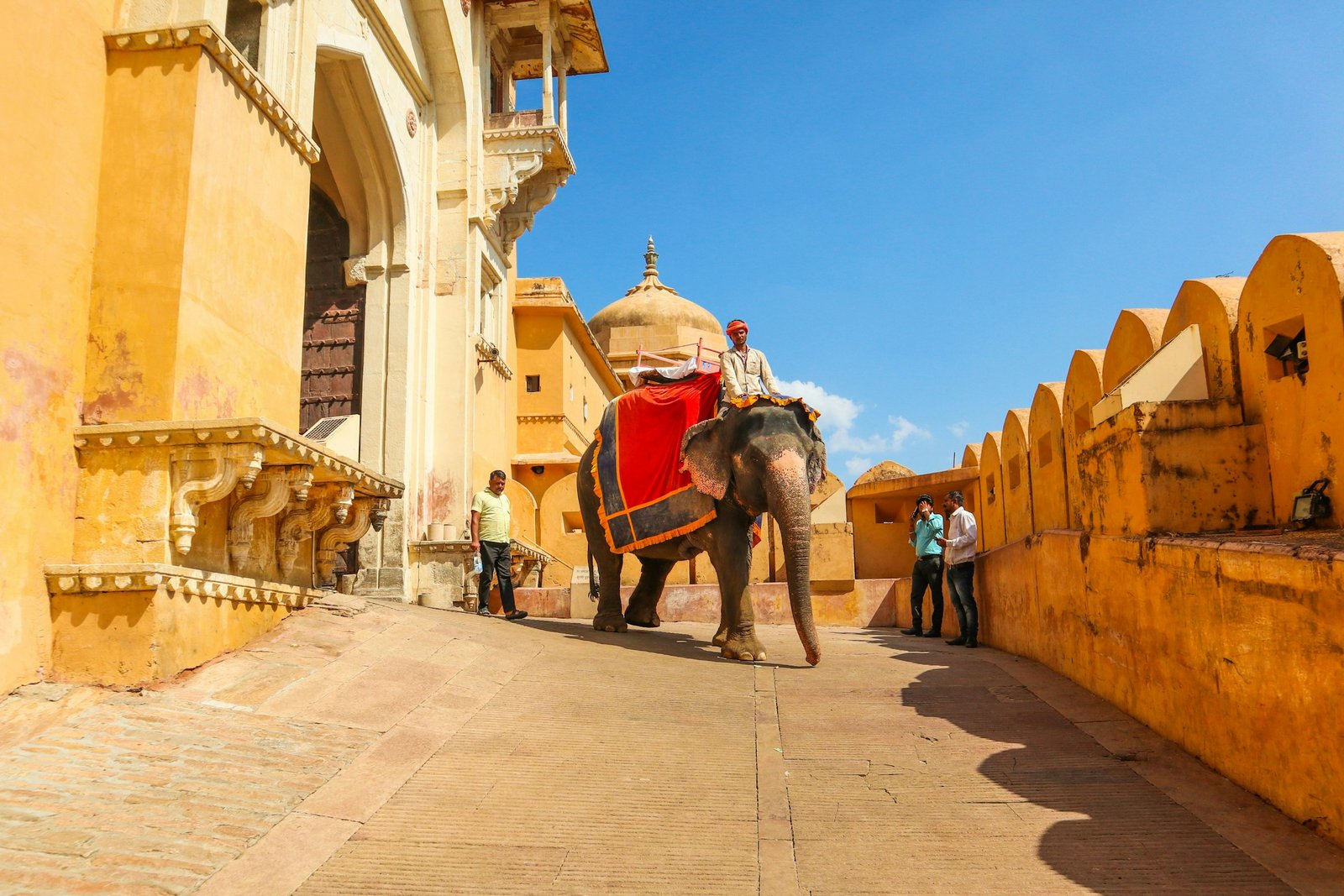
Jaipur is approximately 330–340 kilometres from Bikaner. The Pink City is known for Amber Fort, City Palace, Hawa Mahal, Jantar Mantar, Jal Mahal and its colourful markets.
A one-day sightseeing itinerary may include:
Junagarh Fort
Prachina Museum
Rampuria Havelis
Bhandasar Jain Temple
Local market and food experience
National Research Centre on Camel, subject to time
Travellers with two days can follow this plan:
Day 1:
Junagarh Fort
Prachina Museum
Lalgarh Palace area
Rampuria Havelis
Bhandasar Jain Temple
Old-city market
Day 2:
Karni Mata Temple at Deshnok
National Research Centre on Camel
Devi Kund Sagar
Gajner Palace and Lake or Jorbeer Conservation Reserve
The itinerary should be adjusted according to attraction timings, weather, local access conditions and personal interests.
October to March is generally the most comfortable time to visit Bikaner. The cooler weather is suitable for fort visits, heritage walks and outdoor excursions.
April to June can be extremely hot. Sightseeing during this period should be planned for early morning or late afternoon, with adequate water and sun protection.
The monsoon season may bring occasional rain, but the weather can remain warm and humid. Festival periods offer a colourful cultural experience, although hotels and transport may require advance booking.
Keep at least one full day for Bikaner city sightseeing.
Add a second day for Deshnok, Gajner and other nearby attractions.
Wear comfortable footwear for forts and old-city walks.
Carry drinking water, sunscreen, sunglasses and a hat.
Confirm current monument timings and entry charges.
Dress respectfully when visiting temples.
Ask permission before photographing people or private havelis.
Check airport and train schedules before finalising the itinerary.
Arrange transport in advance for attractions outside the city.
Carry a light warm layer during winter mornings and evenings.
Choose established shops when purchasing packaged food and sweets.
Allow additional travel time during festivals, fairs and peak tourist dates.
Bikaner combines royal architecture, living traditions, desert scenery and memorable food in a destination that feels historic without being overwhelming. Whether you are visiting for a day or adding it to a longer Rajasthan road trip, the city offers a rewarding introduction to the heritage and everyday culture of northern Rajasthan.