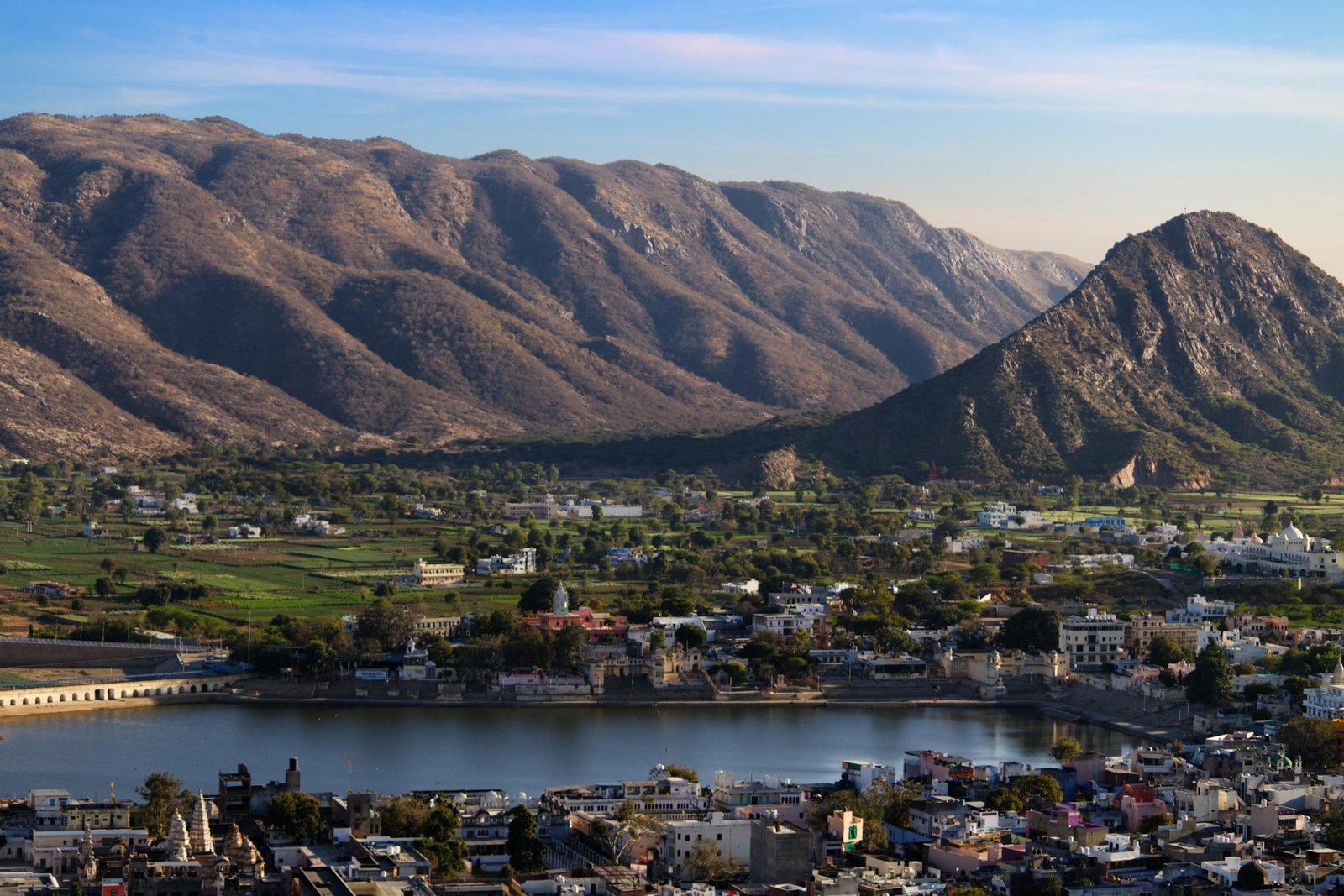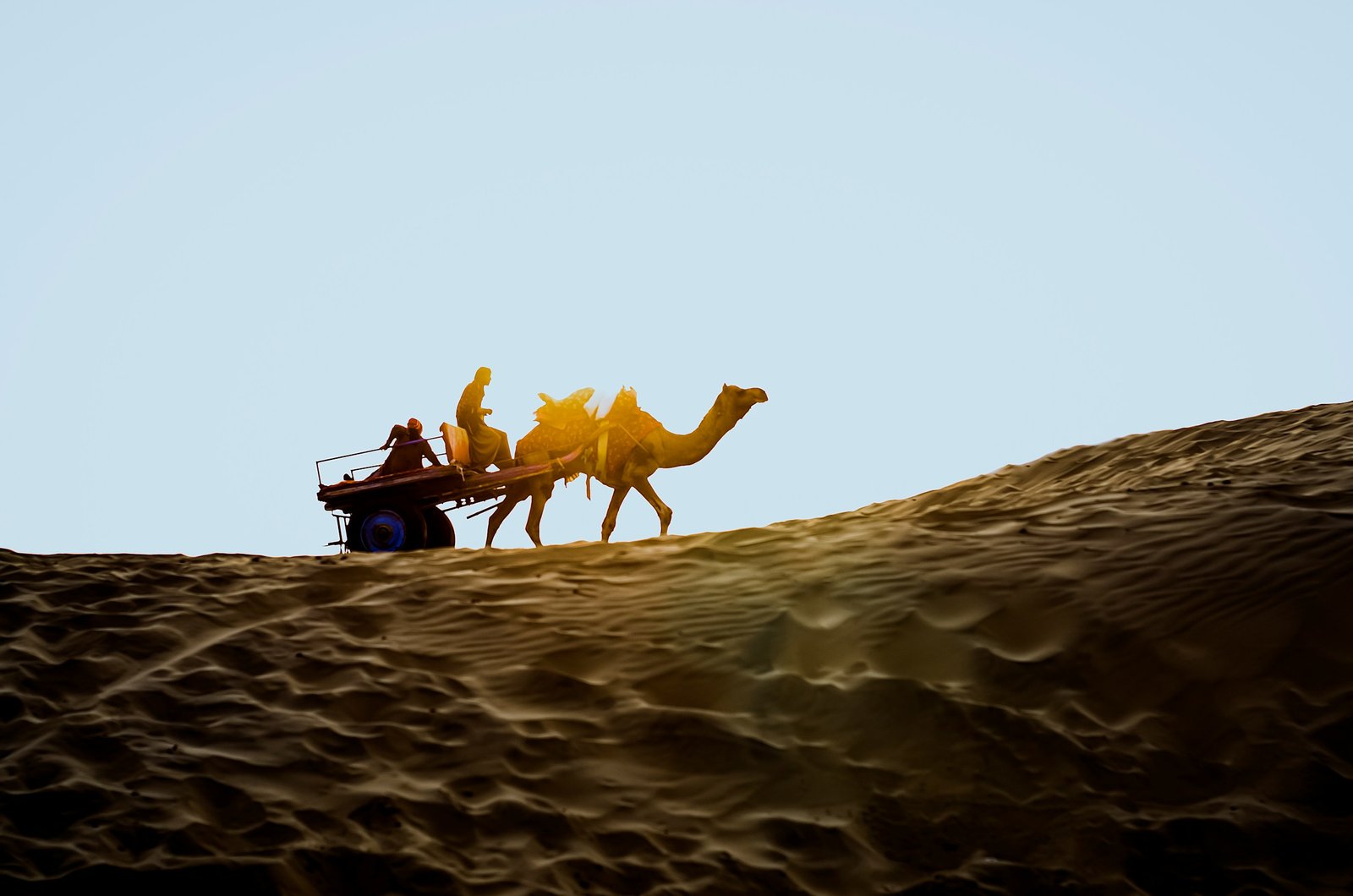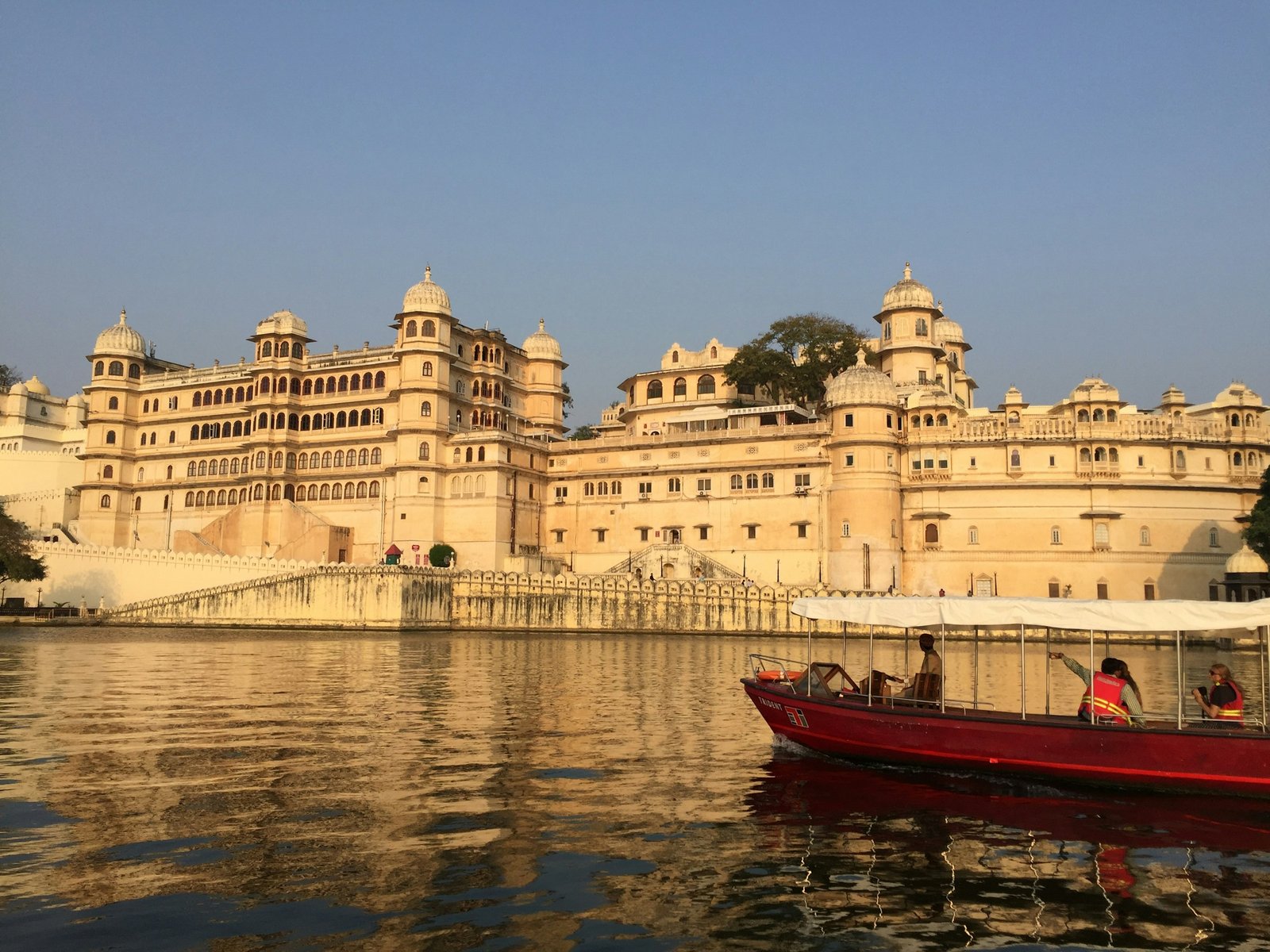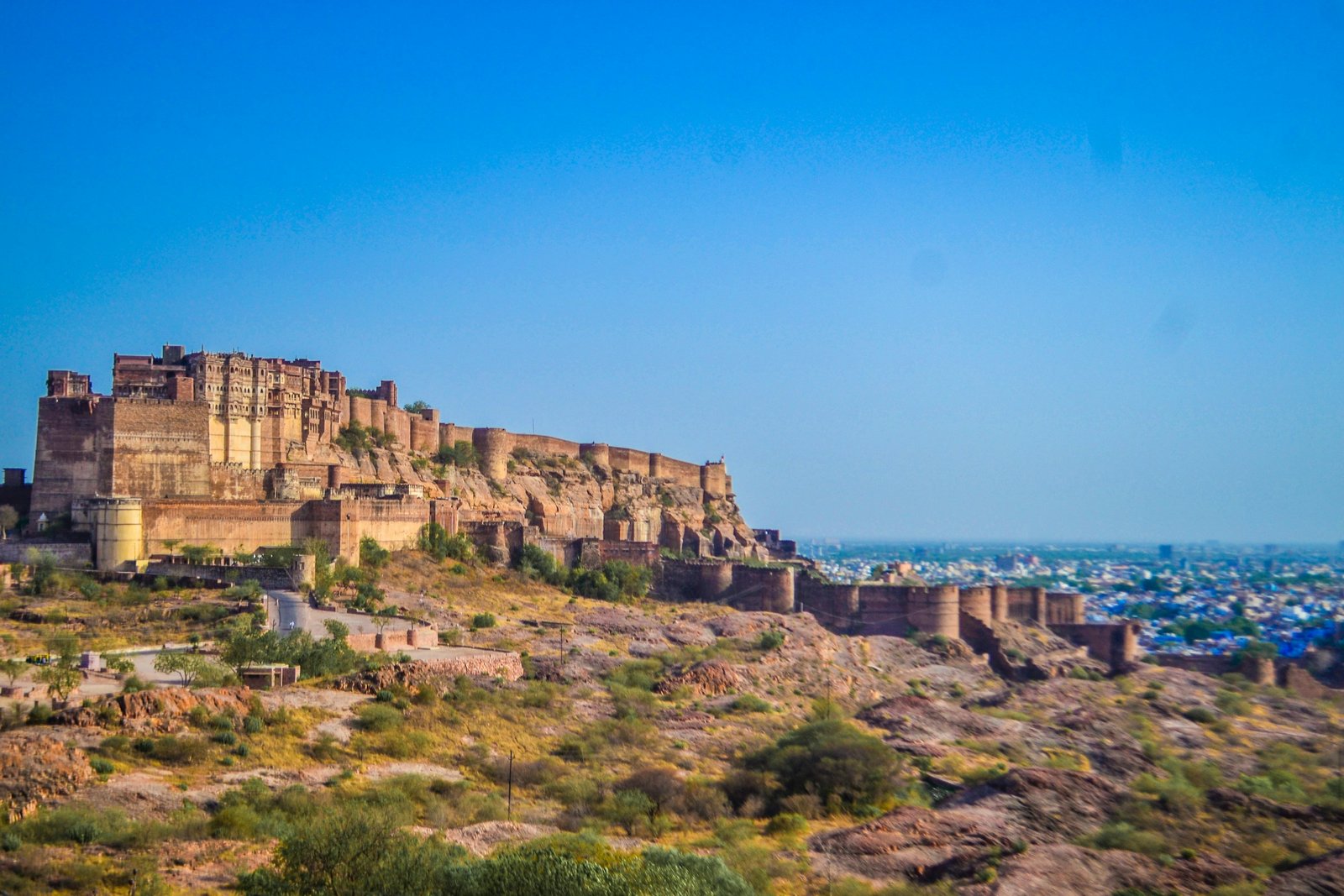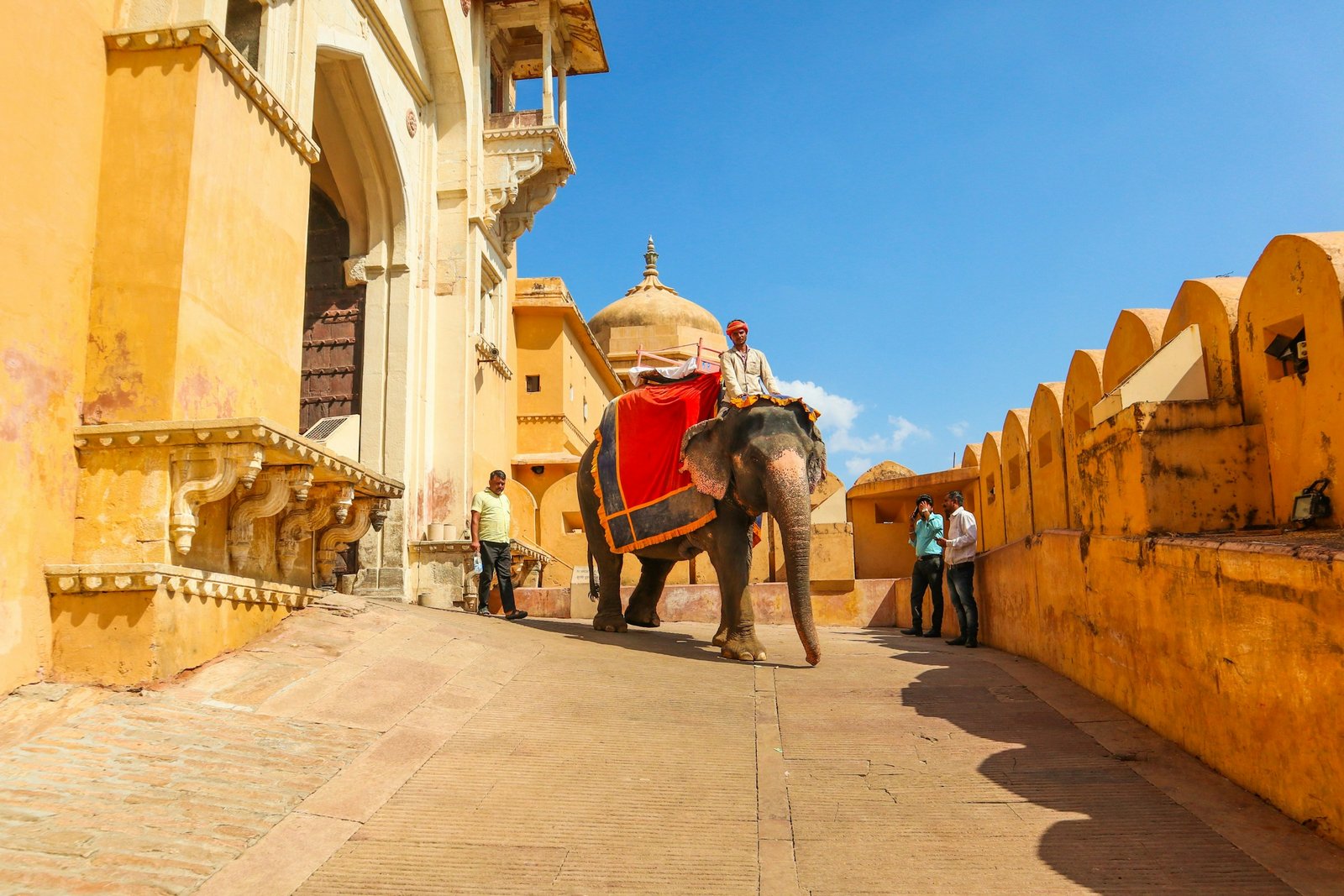

Discover peaceful lakes, marble temples, forested hills, scenic viewpoints and refreshing mountain air at Rajasthan’s only hill station.
Mount Abu is Rajasthan’s only hill station and one of the state’s most refreshing holiday destinations. Situated within the ancient Aravalli Range, it offers forested hills, peaceful lakes, cool weather, marble temples, rocky viewpoints and a relaxing contrast to Rajasthan’s desert cities.
The destination is popular with families, couples, honeymoon travellers, pilgrims, nature lovers and visitors looking for a short break from Ahmedabad, Udaipur, Jodhpur or Jaipur.
Major Mount Abu tourist attractions include Nakki Lake, Dilwara Jain Temples, Guru Shikhar, Achalgarh Fort, Achaleshwar Mahadev Temple, Sunset Point, Toad Rock, Adhar Devi Temple and Mount Abu Wildlife Sanctuary.
Visitors can enjoy boating, nature walks, photography, temple visits, wildlife experiences, shopping and sunset views. A stay of at least two nights is recommended for travellers who want to explore Mount Abu at a comfortable pace.
Mount Abu has been associated with religious traditions, regional kingdoms and the cultural history of the Aravalli Range for centuries. Ancient texts and local legends refer to the mountain as Arbuda, from which the modern name Abu is believed to have developed.
The area has spiritual importance for Hindus and Jains. Several sages are traditionally associated with the hills, while the remarkable Dilwara Jain Temples demonstrate the religious patronage and artistic achievements of medieval Rajasthan and Gujarat.
Different regional dynasties, including the Paramaras and Chauhans, influenced the history of the area. Achalgarh Fort and nearby temples reflect Mount Abu’s strategic and religious importance.
During British rule, Mount Abu developed as a hill retreat and administrative centre for the Rajputana region. The cooler climate attracted officials and members of Rajasthan’s princely families during the summer months.
After independence, Mount Abu continued to grow as a tourism destination. Today, it is known for its natural beauty, religious landmarks, heritage buildings and peaceful mountain atmosphere.
Nakki Lake is the central attraction of Mount Abu and one of its most popular recreational areas. The lake is surrounded by hills, gardens, pathways, shops and unusual rock formations.
Visitors can enjoy boating when services are operating. Paddle boats, rowboats or other boat types may be available depending on the season and operator.
The area becomes particularly lively during the evening. Travellers looking for a quieter experience may prefer an early-morning walk around the lake.
The Dilwara Jain Temples are among India’s finest examples of marble architecture. The temple complex consists of five principal temples constructed between the eleventh and sixteenth centuries.
They are admired for their:
Intricately carved marble ceilings
Decorative pillars
Domes and arches
Sculpted doorways
Religious imagery
Detailed floral and geometric patterns
The most famous temples include Vimal Vasahi, dedicated to the first Jain Tirthankara, and Luna Vasahi, dedicated to Neminatha.
Visitors must dress respectfully, remove footwear where required and follow all security and photography restrictions. Entry timings may differ for pilgrims and general visitors.
Guru Shikhar is the highest peak of the Aravalli Range, rising approximately 1,722 metres above sea level. It offers wide views of the surrounding hills, valleys and Mount Abu Wildlife Sanctuary.
Visitors must climb a series of steps to reach the summit area and Guru Dattatreya Temple. The climb may be challenging for senior citizens or travellers with mobility and breathing difficulties.
Early morning generally offers pleasant weather and clearer views.
Achalgarh Fort is located outside the main Mount Abu town. The historic fort was originally associated with the Paramara period and was later renovated under the rulers of Mewar.
Visitors can explore its gateways, ruined structures, temples and viewpoints. Comfortable footwear is recommended because the terrain may be uneven.
Achaleshwar Mahadev Temple is situated near Achalgarh Fort and is dedicated to Lord Shiva. The temple is associated with several local legends and has considerable religious importance.
Visitors should dress modestly, remove footwear where required and respect worshippers during prayers and ceremonies.
Sunset Point is one of Mount Abu’s most popular evening attractions. It provides views of the sun setting behind the layered Aravalli hills.
The area can become crowded during weekends, holidays and the peak tourist season. Visitors should arrive early and follow any restrictions regarding vehicles, horses or access routes.
Toad Rock is a naturally shaped rock formation located near Nakki Lake. Its shape resembles a toad preparing to jump into the water.
Reaching the viewpoint involves climbing steps and walking over rocky terrain. Visitors should avoid climbing unsafe surfaces, especially during rain.
Honeymoon Point is a scenic viewpoint known for its surrounding valleys and rock formations. It is popular with couples, photographers and visitors seeking peaceful mountain views.
Sunset and late afternoon are generally attractive times to visit.
Adhar Devi Temple, also known as Arbuda Devi Temple, is a cave shrine dedicated to Goddess Durga. Visitors must climb numerous steep steps before entering the temple through a narrow rocky opening.
The visit may not be suitable for travellers with knee, back, breathing or mobility problems. Modest clothing and comfortable footwear are recommended.
Mount Abu Wildlife Sanctuary protects forested hills, rocky terrain and diverse plant and animal life around the hill station.
The sanctuary supports animals and birds such as:
Leopards
Sloth bears
Sambar deer
Wild boar
Jungle cats
Porcupines
Indian paradise flycatchers
Grey junglefowl
Seasonal migratory birds
Wildlife sightings are never guaranteed. Visitors should remain quiet, avoid feeding animals and follow forest-department instructions.
Trevor’s Tank is a peaceful nature and birdwatching location within the forested region of Mount Abu. It was originally developed as a crocodile-breeding area and is now visited for its natural setting.
Access may depend on forest conditions, weather and current visitor regulations.
Peace Park is associated with the Brahma Kumaris organisation and offers landscaped gardens, meditation spaces and a calm environment.
Visitors should follow the rules regarding silence, guided visits and photography.
Mount Abu is an important centre for the Brahma Kumaris spiritual organisation. Travellers interested in meditation and spiritual learning may visit designated public areas or attend scheduled sessions.
Programmes and visitor access should be confirmed in advance.
Raghunath Temple is located near Nakki Lake and is dedicated to Lord Vishnu. Its convenient location allows visitors to combine it with boating, Toad Rock and the surrounding market.
Gaumukh Temple is associated with Sage Vashishtha and local religious traditions. The site is surrounded by natural scenery and requires walking and steps.
Visitors should check current access conditions before travelling.
Boating at Nakki Lake is one of the most popular Mount Abu activities. It provides pleasant views of the surrounding hills and rock formations.
Life jackets should be worn whenever provided, and visitors must follow the operator’s safety instructions.
Mount Abu offers several attractive sunset locations, including:
Sunset Point
Honeymoon Point
Nakki Lake surroundings
Selected hill viewpoints
Hotel terraces with valley views
Crowd levels and access conditions vary during weekends and holidays.
The hills around Mount Abu offer opportunities for guided walks, birdwatching and nature photography.
Visitors should use authorised routes, avoid entering isolated forest areas without guidance and carry sufficient drinking water.
The Dilwara Jain Temples are essential for visitors interested in religion, art and architecture. A guided explanation can help travellers understand their construction, carvings and spiritual importance.
The journey to Guru Shikhar combines scenic driving, a stair climb, temple visits and panoramic views.
Travellers should begin early and avoid the climb during extreme heat, heavy rain or poor visibility.
Markets around Nakki Lake and central Mount Abu sell:
Rajasthani handicrafts
Gujarati handicrafts
Textiles
Shawls
Jewellery
Leather products
Decorative items
Souvenirs
Local snacks
Check product quality and pricing before making expensive purchases.
Mount Abu Wildlife Sanctuary, Trevor’s Tank and forested areas around the hill station attract resident and migratory birds.
Early morning is usually the best time for birdwatching. Visitors should avoid loud music and keep a respectful distance from wildlife.
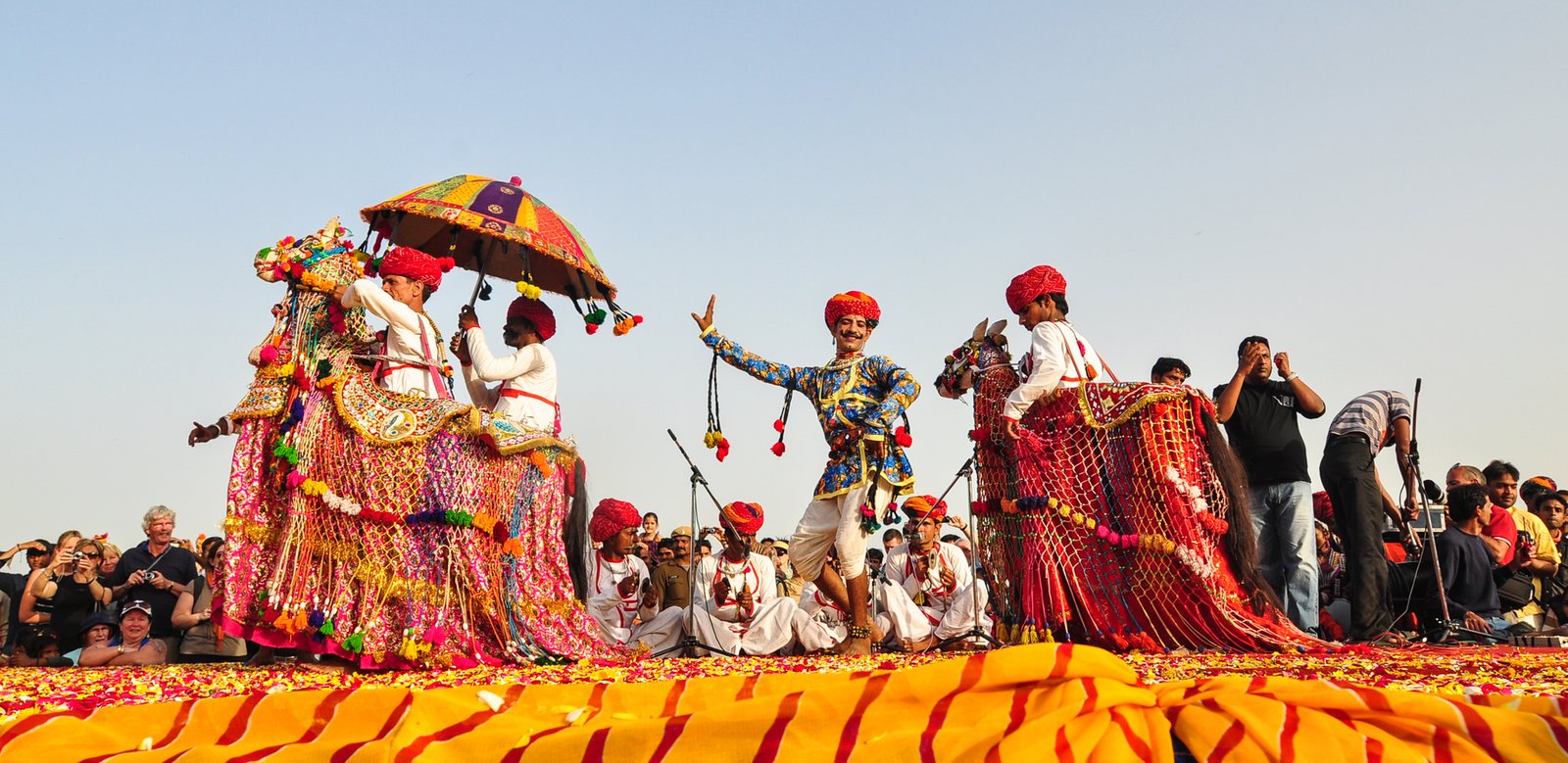
The Mount Abu Summer Festival generally celebrates Rajasthan’s folk culture through music, dance, competitions and activities around Nakki Lake and other venues.
Dates and programmes change each year, so travellers should check the official schedule before booking.
Mount Abu’s temples, Brahma Kumaris centres and peaceful natural environment make it suitable for meditation and spiritual retreats.
Some centres require registration or advance permission for programmes.
Mount Abu’s food reflects both Rajasthani and Gujarati influences. Visitors can find traditional meals, snacks, sweets and familiar North Indian dishes throughout the town.
Dal baati churma combines baked wheat baati, seasoned lentils and sweet churma. It is one of Rajasthan’s most recognised traditional meals.
Gatte ki sabzi consists of gram-flour dumplings cooked in a yoghurt-based gravy. It is commonly served with roti or rice.
Ker sangri is a traditional Rajasthani preparation made using dried desert berries and beans. It is seasoned with spices and generally served with roti.
Bajra roti is a millet flatbread usually served with vegetables, lentils, curd, garlic chutney or ghee.
Mount Abu’s proximity to Gujarat means that Gujarati thalis are widely available. A typical meal may include:
Dal
Kadhi
Seasonal vegetables
Roti
Rice
Farsan
Pickle
Chutney
Sweet dish
Fresh kachori and samosa are popular snacks during cool mornings and evenings. They are generally served with sweet and spicy chutneys.
Hot pakoras are particularly popular during the monsoon and winter seasons. Common varieties include onion, potato, paneer and chilli pakoras.
Rabri, jalebi, gulab jamun and regional sweets are available at shops around the main market and Nakki Lake area.
Roasted corn served with lemon, salt and spices is a popular snack near viewpoints and the lake, particularly during the monsoon.
Choose busy and well-maintained eateries, drink sealed or filtered water and check food hygiene before eating at street stalls.
We are currently designing exclusive heritage packages for this destination. Please explore other destinations or contact our planners to design a custom tour.
Mount Abu is Rajasthan’s only hill station and one of the state’s most refreshing holiday destinations. Situated within the ancient Aravalli Range, it offers forested hills, peaceful lakes, cool weather, marble temples, rocky viewpoints and a relaxing contrast to Rajasthan’s desert cities.
The destination is popular with families, couples, honeymoon travellers, pilgrims, nature lovers and visitors looking for a short break from Ahmedabad, Udaipur, Jodhpur or Jaipur.
Major Mount Abu tourist attractions include Nakki Lake, Dilwara Jain Temples, Guru Shikhar, Achalgarh Fort, Achaleshwar Mahadev Temple, Sunset Point, Toad Rock, Adhar Devi Temple and Mount Abu Wildlife Sanctuary.
Visitors can enjoy boating, nature walks, photography, temple visits, wildlife experiences, shopping and sunset views. A stay of at least two nights is recommended for travellers who want to explore Mount Abu at a comfortable pace.
Mount Abu has been associated with religious traditions, regional kingdoms and the cultural history of the Aravalli Range for centuries. Ancient texts and local legends refer to the mountain as Arbuda, from which the modern name Abu is believed to have developed.
The area has spiritual importance for Hindus and Jains. Several sages are traditionally associated with the hills, while the remarkable Dilwara Jain Temples demonstrate the religious patronage and artistic achievements of medieval Rajasthan and Gujarat.
Different regional dynasties, including the Paramaras and Chauhans, influenced the history of the area. Achalgarh Fort and nearby temples reflect Mount Abu’s strategic and religious importance.
During British rule, Mount Abu developed as a hill retreat and administrative centre for the Rajputana region. The cooler climate attracted officials and members of Rajasthan’s princely families during the summer months.
After independence, Mount Abu continued to grow as a tourism destination. Today, it is known for its natural beauty, religious landmarks, heritage buildings and peaceful mountain atmosphere.
Nakki Lake is the central attraction of Mount Abu and one of its most popular recreational areas. The lake is surrounded by hills, gardens, pathways, shops and unusual rock formations.
Visitors can enjoy boating when services are operating. Paddle boats, rowboats or other boat types may be available depending on the season and operator.
The area becomes particularly lively during the evening. Travellers looking for a quieter experience may prefer an early-morning walk around the lake.
The Dilwara Jain Temples are among India’s finest examples of marble architecture. The temple complex consists of five principal temples constructed between the eleventh and sixteenth centuries.
They are admired for their:
Intricately carved marble ceilings
Decorative pillars
Domes and arches
Sculpted doorways
Religious imagery
Detailed floral and geometric patterns
The most famous temples include Vimal Vasahi, dedicated to the first Jain Tirthankara, and Luna Vasahi, dedicated to Neminatha.
Visitors must dress respectfully, remove footwear where required and follow all security and photography restrictions. Entry timings may differ for pilgrims and general visitors.
Guru Shikhar is the highest peak of the Aravalli Range, rising approximately 1,722 metres above sea level. It offers wide views of the surrounding hills, valleys and Mount Abu Wildlife Sanctuary.
Visitors must climb a series of steps to reach the summit area and Guru Dattatreya Temple. The climb may be challenging for senior citizens or travellers with mobility and breathing difficulties.
Early morning generally offers pleasant weather and clearer views.
Achalgarh Fort is located outside the main Mount Abu town. The historic fort was originally associated with the Paramara period and was later renovated under the rulers of Mewar.
Visitors can explore its gateways, ruined structures, temples and viewpoints. Comfortable footwear is recommended because the terrain may be uneven.
Achaleshwar Mahadev Temple is situated near Achalgarh Fort and is dedicated to Lord Shiva. The temple is associated with several local legends and has considerable religious importance.
Visitors should dress modestly, remove footwear where required and respect worshippers during prayers and ceremonies.
Sunset Point is one of Mount Abu’s most popular evening attractions. It provides views of the sun setting behind the layered Aravalli hills.
The area can become crowded during weekends, holidays and the peak tourist season. Visitors should arrive early and follow any restrictions regarding vehicles, horses or access routes.
Toad Rock is a naturally shaped rock formation located near Nakki Lake. Its shape resembles a toad preparing to jump into the water.
Reaching the viewpoint involves climbing steps and walking over rocky terrain. Visitors should avoid climbing unsafe surfaces, especially during rain.
Honeymoon Point is a scenic viewpoint known for its surrounding valleys and rock formations. It is popular with couples, photographers and visitors seeking peaceful mountain views.
Sunset and late afternoon are generally attractive times to visit.
Adhar Devi Temple, also known as Arbuda Devi Temple, is a cave shrine dedicated to Goddess Durga. Visitors must climb numerous steep steps before entering the temple through a narrow rocky opening.
The visit may not be suitable for travellers with knee, back, breathing or mobility problems. Modest clothing and comfortable footwear are recommended.
Mount Abu Wildlife Sanctuary protects forested hills, rocky terrain and diverse plant and animal life around the hill station.
The sanctuary supports animals and birds such as:
Leopards
Sloth bears
Sambar deer
Wild boar
Jungle cats
Porcupines
Indian paradise flycatchers
Grey junglefowl
Seasonal migratory birds
Wildlife sightings are never guaranteed. Visitors should remain quiet, avoid feeding animals and follow forest-department instructions.
Trevor’s Tank is a peaceful nature and birdwatching location within the forested region of Mount Abu. It was originally developed as a crocodile-breeding area and is now visited for its natural setting.
Access may depend on forest conditions, weather and current visitor regulations.
Peace Park is associated with the Brahma Kumaris organisation and offers landscaped gardens, meditation spaces and a calm environment.
Visitors should follow the rules regarding silence, guided visits and photography.
Mount Abu is an important centre for the Brahma Kumaris spiritual organisation. Travellers interested in meditation and spiritual learning may visit designated public areas or attend scheduled sessions.
Programmes and visitor access should be confirmed in advance.
Raghunath Temple is located near Nakki Lake and is dedicated to Lord Vishnu. Its convenient location allows visitors to combine it with boating, Toad Rock and the surrounding market.
Gaumukh Temple is associated with Sage Vashishtha and local religious traditions. The site is surrounded by natural scenery and requires walking and steps.
Visitors should check current access conditions before travelling.
Boating at Nakki Lake is one of the most popular Mount Abu activities. It provides pleasant views of the surrounding hills and rock formations.
Life jackets should be worn whenever provided, and visitors must follow the operator’s safety instructions.
Mount Abu offers several attractive sunset locations, including:
Sunset Point
Honeymoon Point
Nakki Lake surroundings
Selected hill viewpoints
Hotel terraces with valley views
Crowd levels and access conditions vary during weekends and holidays.
The hills around Mount Abu offer opportunities for guided walks, birdwatching and nature photography.
Visitors should use authorised routes, avoid entering isolated forest areas without guidance and carry sufficient drinking water.
The Dilwara Jain Temples are essential for visitors interested in religion, art and architecture. A guided explanation can help travellers understand their construction, carvings and spiritual importance.
The journey to Guru Shikhar combines scenic driving, a stair climb, temple visits and panoramic views.
Travellers should begin early and avoid the climb during extreme heat, heavy rain or poor visibility.
Markets around Nakki Lake and central Mount Abu sell:
Rajasthani handicrafts
Gujarati handicrafts
Textiles
Shawls
Jewellery
Leather products
Decorative items
Souvenirs
Local snacks
Check product quality and pricing before making expensive purchases.
Mount Abu Wildlife Sanctuary, Trevor’s Tank and forested areas around the hill station attract resident and migratory birds.
Early morning is usually the best time for birdwatching. Visitors should avoid loud music and keep a respectful distance from wildlife.
The Mount Abu Summer Festival generally celebrates Rajasthan’s folk culture through music, dance, competitions and activities around Nakki Lake and other venues.
Dates and programmes change each year, so travellers should check the official schedule before booking.
Mount Abu’s temples, Brahma Kumaris centres and peaceful natural environment make it suitable for meditation and spiritual retreats.
Some centres require registration or advance permission for programmes.
Mount Abu’s food reflects both Rajasthani and Gujarati influences. Visitors can find traditional meals, snacks, sweets and familiar North Indian dishes throughout the town.
Dal baati churma combines baked wheat baati, seasoned lentils and sweet churma. It is one of Rajasthan’s most recognised traditional meals.
Gatte ki sabzi consists of gram-flour dumplings cooked in a yoghurt-based gravy. It is commonly served with roti or rice.
Ker sangri is a traditional Rajasthani preparation made using dried desert berries and beans. It is seasoned with spices and generally served with roti.
Bajra roti is a millet flatbread usually served with vegetables, lentils, curd, garlic chutney or ghee.
Mount Abu’s proximity to Gujarat means that Gujarati thalis are widely available. A typical meal may include:
Dal
Kadhi
Seasonal vegetables
Roti
Rice
Farsan
Pickle
Chutney
Sweet dish
Fresh kachori and samosa are popular snacks during cool mornings and evenings. They are generally served with sweet and spicy chutneys.
Hot pakoras are particularly popular during the monsoon and winter seasons. Common varieties include onion, potato, paneer and chilli pakoras.
Rabri, jalebi, gulab jamun and regional sweets are available at shops around the main market and Nakki Lake area.
Roasted corn served with lemon, salt and spices is a popular snack near viewpoints and the lake, particularly during the monsoon.
Choose busy and well-maintained eateries, drink sealed or filtered water and check food hygiene before eating at street stalls.