



Rajasthan Shopping Guide: What to Buy and Where
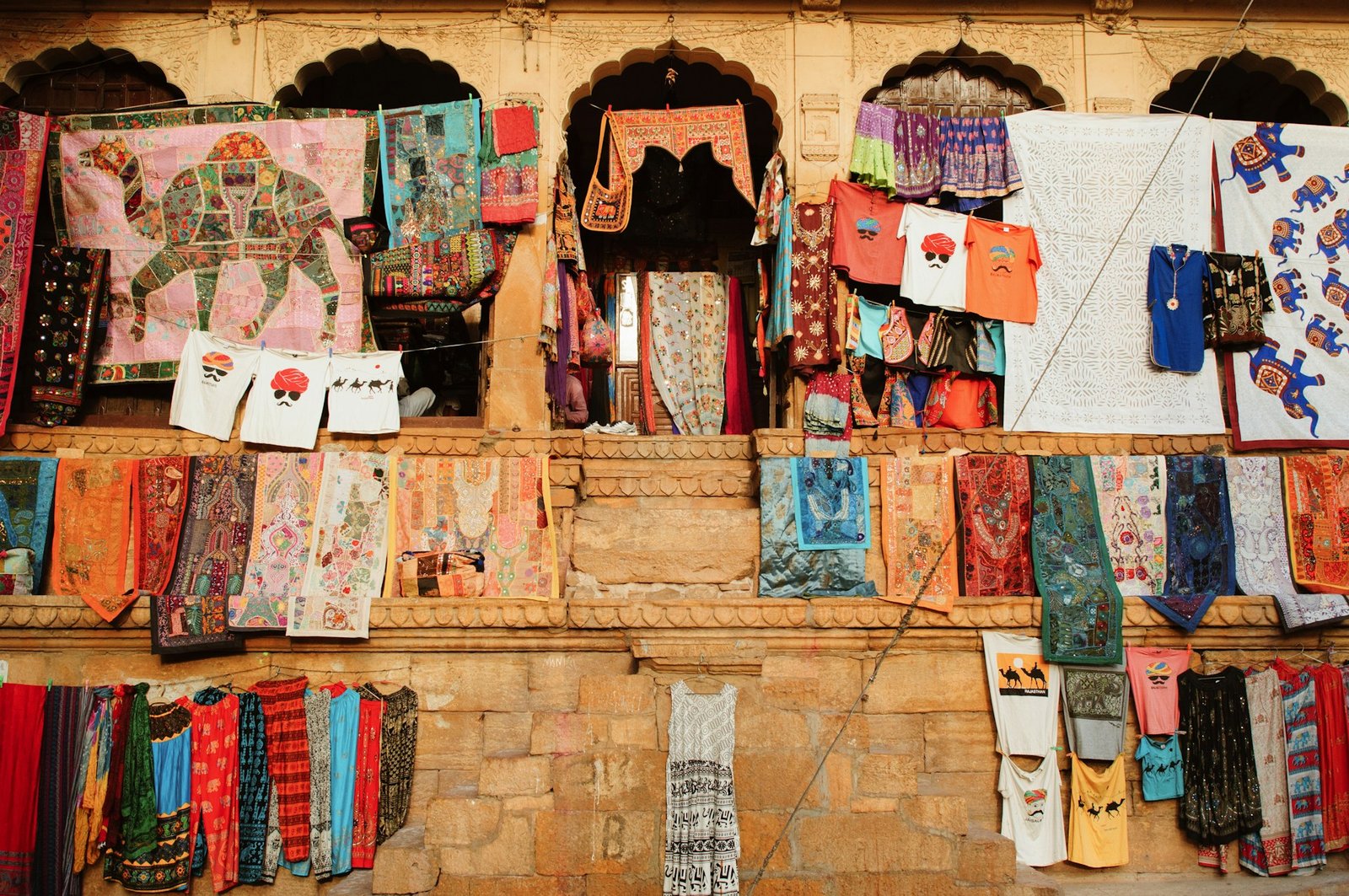
Shopping in Rajasthan is an experience filled with colour, craftsmanship and centuries-old artistic traditions. From Jaipur’s jewellery markets and Jodhpur’s textile shops to Udaipur’s miniature paintings and Jaisalmer’s embroidered fabrics, every destination offers something distinctive.
Rajasthan’s shopping culture is closely connected with the skills of its artisans. Families of printers, painters, potters, jewellers, weavers, leatherworkers and metal craftsmen have passed their knowledge from one generation to another. Their work transforms fabric, clay, wood, stone and precious metals into objects that reflect the history and identity of the region.
For travellers, the variety can also make shopping confusing. Similar products are available at very different prices, and the quality may not always be easy to judge. Knowing what each city is famous for, where to shop and what to check before paying can help you make better purchases.
This Rajasthan Shopping Guide covers the most famous products, city-wise shopping markets, buying tips, jewellery precautions, bargaining etiquette and practical advice for carrying or shipping your purchases.
Why Rajasthan Is a Shopper’s Paradise
Rajasthan is one of India’s best destinations for traditional handicrafts, textiles, jewellery and decorative art.
Popular products include:
-
Kundan, meenakari and gemstone jewellery
-
Silver jewellery and tribal-style ornaments
-
Bandhani and leheriya fabrics
-
Sanganeri and Bagru block prints
-
Kota Doria sarees and fabric
-
Blue pottery
-
Miniature paintings
-
Phad paintings
-
Leather mojari and jutti
-
Embroidered bags and home furnishings
-
Carpets, rugs and dhurries
-
Wooden furniture and carved décor
-
Brass and metal handicrafts
-
Kathputli puppets
-
Marble and stone products
-
Traditional spices, sweets and packaged snacks
Some items are practical everyday products, while others are created for weddings, festivals, home decoration or collectors. Prices vary according to raw material, workmanship, artisan reputation, size and authenticity.
What to Buy in Rajasthan
Bandhani and Bandhej
Bandhani, also known as bandhej, is a traditional tie-dye technique. Small sections of fabric are tightly tied before dyeing, creating dots, waves and decorative patterns.
Bandhani is commonly available as:
-
Sarees
-
Dupattas
-
Turbans
-
Stoles
-
Dress materials
-
Scarves
-
Kurtas
-
Home furnishings
Jaipur, Jodhpur, Bikaner, Barmer, Udaipur and Jaisalmer offer a wide selection. Prices depend on the fabric, fineness of the tied pattern, number of colours and amount of handwork.
Before purchasing, inspect the reverse side of the fabric and ask whether the item is handmade, partially handmade or machine produced.
Leheriya
Leheriya is recognised by its flowing diagonal or wave-like stripes. The technique is strongly associated with Rajasthan’s monsoon celebrations and traditional clothing.
Common leheriya products include:
-
Sarees
-
Dupattas
-
Turbans
-
Scarves
-
Dress materials
-
Contemporary garments
Jaipur is one of the most convenient places to purchase leheriya. Traditional markets generally offer economical and mid-range varieties, while boutiques may stock premium silk and designer pieces.
Sanganeri Block Printing
Sanganeri printing developed around Sanganer near Jaipur. It is known for delicate floral patterns, fine lines and attractive colours printed on cotton and other fabrics.
Products may include:
-
Bedsheets
-
Tablecloths
-
Cushion covers
-
Kurtas
-
Dresses
-
Shirts
-
Sarees
-
Scarves
-
Fabric by the metre
Ask the seller whether the design is hand-block printed or screen printed. Small variations in alignment and colour can be natural signs of hand-block work.
Bagru Block Printing
Bagru printing is traditionally associated with the town of Bagru near Jaipur. The style often uses earthy colours, bold patterns and traditional dyeing techniques.
Travellers can purchase Bagru-printed:
-
Sarees
-
Dupattas
-
Shirts
-
Kurtas
-
Dress materials
-
Bedsheets
-
Table linen
-
Cushion covers
A workshop visit can help travellers understand carving, printing, washing and dyeing. Workshop access should be arranged in advance through a reputable operator or artisan group.
Kota Doria
Kota Doria is a lightweight woven fabric known for its fine square-like pattern and airy texture. It is especially popular for sarees, dupattas and summer clothing.
Kota and the nearby weaving region are the most relevant places to look for traditional varieties. Kota Doria is also available in Jaipur and other major cities.
Ask about:
-
Handloom or power-loom production
-
Cotton, silk or blended material
-
Weaving quality
-
Border and pallu work
-
Care instructions
Premium handwoven products usually cost more than mass-produced alternatives.
Kundan Jewellery
Kundan jewellery is known for its decorative stone setting and elaborate royal appearance. Jaipur is one of the most important centres for this style.
It is commonly purchased for:
-
Weddings
-
Festive occasions
-
Bridal collections
-
Formal events
-
Traditional gifts
Kundan-style jewellery is available in precious, semi-precious and costume categories. Buyers should not assume that every ornament contains real gold or valuable stones.
Ask the seller to clearly mention the metal, purity, stone type, weight and making charges on the invoice.
Meenakari Jewellery
Meenakari is the art of decorating metal surfaces with coloured enamel. The technique is often combined with traditional jewellery designs.
Popular items include:
-
Earrings
-
Pendants
-
Bangles
-
Rings
-
Necklaces
-
Decorative boxes
-
Small artefacts
Examine the enamel surface for visible cracks, chips or uneven finishing before buying.
Polki Jewellery
Polki jewellery traditionally uses uncut diamonds and is often associated with elaborate wedding designs.
Because genuine polki can be expensive, buyers should request complete written details about:
-
Metal purity
-
Diamond or stone description
-
Net precious-metal weight
-
Gross weight
-
Making charges
-
Stone value
-
Return or exchange policy
-
Certification, where applicable
Costume pieces inspired by polki designs should be described and priced accordingly.
Silver Jewellery
Rajasthan offers silver jewellery in traditional, tribal-inspired and contemporary designs.
Popular products include:
-
Anklets
-
Bracelets
-
Earrings
-
Rings
-
Necklaces
-
Pendants
-
Bangles
-
Decorative objects
Silver-coloured jewellery is not always made from silver. Ask for the purity, weight and invoice before paying. For valuable pieces, purchase from an established jeweller and check applicable hallmark details.
Gemstones
Jaipur is internationally known for gemstone cutting, polishing and jewellery manufacturing. Markets offer precious, semi-precious, synthetic, treated and imitation stones.
Gemstone buying requires caution because appearance alone does not establish identity or value.
Before purchasing an expensive gemstone:
-
Ask for a recognised laboratory report.
-
Confirm whether the stone is natural, synthetic or imitation.
-
Ask whether it has been heated, dyed, filled or otherwise treated.
-
Match the stone’s measurements and weight with the certificate.
-
Obtain a detailed invoice.
-
Understand the return and exchange policy.
-
Avoid purchasing solely on verbal claims.
-
Compare prices at more than one reputable outlet.
Astrological or health claims should not replace independent gemological verification.
Blue Pottery
Jaipur’s blue pottery is recognised for its glazed surface and floral, geometric or bird-inspired designs. Despite its name, the colour range may include blue, green, yellow and other shades.
Popular items include:
-
Plates
-
Bowls
-
Vases
-
Tiles
-
Soap dishes
-
Coasters
-
Knobs
-
Lamps
-
Decorative animals
-
Serving accessories
Check each item for cracks, chips and surface damage. Ask for secure packaging if you are travelling by air or road.
Decorative pottery should not automatically be assumed to be suitable for serving hot food. Confirm its intended use with the seller.
Miniature Paintings
Rajasthan has several schools of miniature painting associated with different royal courts and regions. Udaipur, Jaipur, Bundi, Kota, Nathdwara, Kishangarh and Jodhpur are known for different styles.
Common subjects include:
-
Royal processions
-
Hunting scenes
-
Court life
-
Radha and Krishna
-
Pichwai-inspired themes
-
Animals and birds
-
Palace architecture
-
Traditional festivals
Ask whether the painting is an original hand-painted work, a print or a hand-finished reproduction. Examine the detail closely and request information about the artist, material and colours used.
Pichwai Paintings
Pichwai paintings traditionally depict Lord Krishna, especially in the form worshipped at Nathdwara. They may include cows, lotuses, festivals, temple scenes and seasonal themes.
Original hand-painted Pichwai works can require considerable time and skill. Less-expensive printed or digitally produced versions are also widely available.
The invoice should clearly describe what you are buying.
Phad Paintings
Phad is a traditional narrative painting style associated with Rajasthan. Large painted scrolls historically illustrated stories connected with folk deities and travelling performers.
Modern Phad-inspired artworks are available in different sizes and formats. Bhilwara, Shahpura, Jaipur and cultural craft centres are relevant places to explore this tradition.
Leather Mojari and Jutti
Rajasthani mojari and jutti are traditional footwear styles available in leather, fabric and embroidered designs.
Popular variations include:
-
Plain leather mojari
-
Embroidered wedding footwear
-
Mirror-work jutti
-
Colourful fabric footwear
-
Men’s traditional mojari
-
Women’s decorative jutti
Try both shoes before purchasing because handmade sizing can vary. Check the sole, stitching and inner finishing. Travellers who avoid animal products should ask specifically about the materials used.
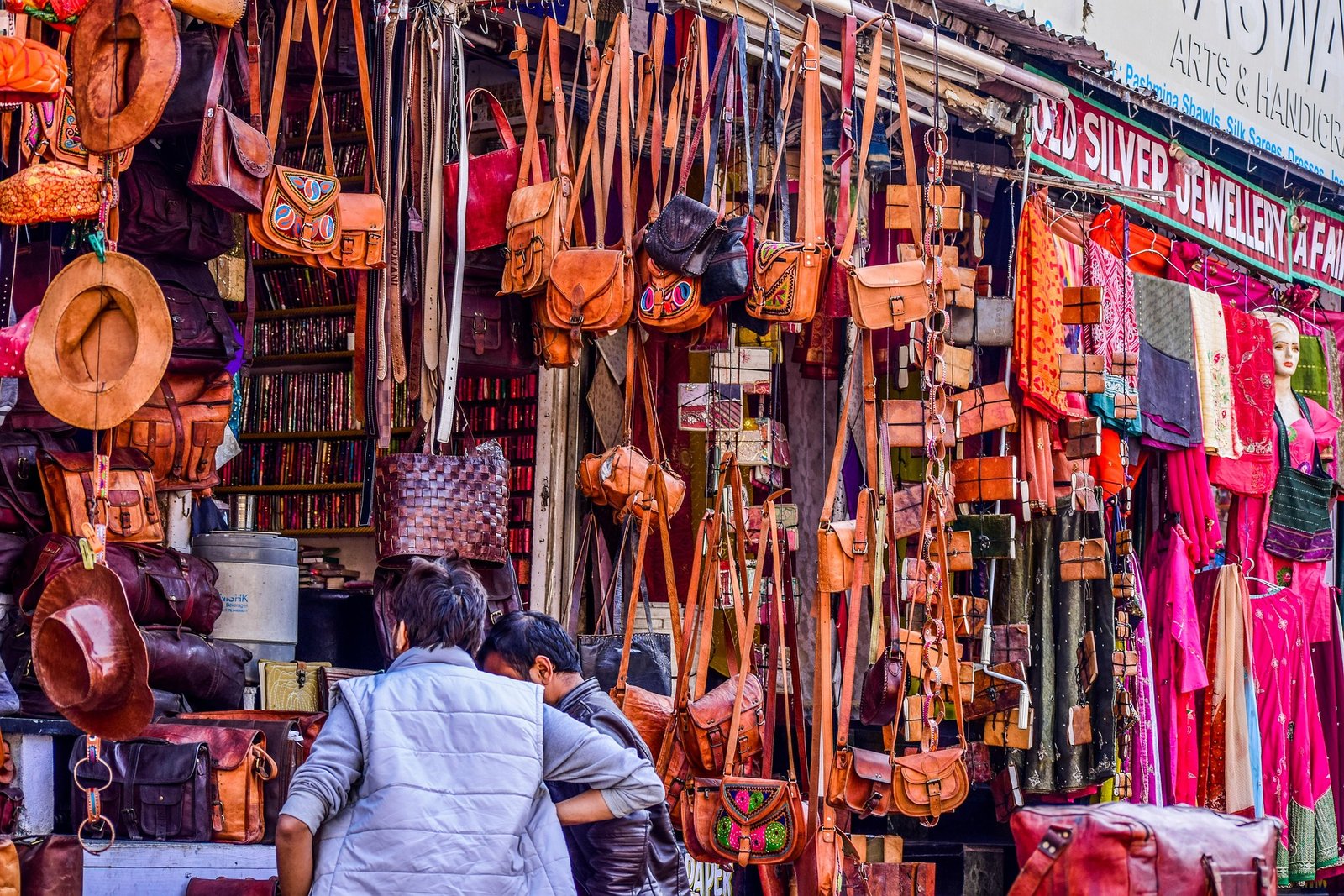
Leather Bags and Accessories
Rajasthan’s markets offer handbags, wallets, belts, journals, footwear and decorative leather products.
Check:
-
Material
-
Stitching
-
Zip quality
-
Lining
-
Colour transfer
-
Smell and finishing
-
Care requirements
Camel-leather products are often advertised in desert destinations, but buyers should ask the seller to clearly identify the material rather than relying on appearance or marketing claims.
Carpets, Rugs and Dhurries
Handmade carpets and flat-woven dhurries are available in Jaipur, Jodhpur, Bikaner and several craft centres.
Before purchasing, ask about:
-
Handmade or machine-made production
-
Wool, cotton, silk or synthetic fibre
-
Knotting or weaving technique
-
Exact dimensions
-
Colour-fastness
-
Cleaning method
-
Shipping charges
-
Insurance
-
Return conditions
For expensive carpets, insist on a detailed invoice and written shipping terms.
Wooden Furniture and Handicrafts
Jodhpur is particularly well known for wooden furniture, carved décor and vintage-style pieces.
Common products include:
-
Cabinets
-
Tables
-
Chairs
-
Mirrors
-
Boxes
-
Wall panels
-
Trays
-
Decorative doors
-
Painted furniture
-
Architectural replicas
Large items require careful inspection. Ask about the type of wood, treatment, moisture condition, construction, polish and shipping arrangements.
Products described as “antique-style” or “vintage-style” should not be confused with genuine antiques. Exporting actual antiques or protected cultural property may be restricted.
Marble and Stone Handicrafts
Rajasthan’s stone traditions can be seen in temples, forts, palaces and modern decorative products.
Shopping options include:
-
Small sculptures
-
Decorative boxes
-
Tabletops
-
Inlay work
-
Trays
-
Candle holders
-
Coasters
-
Marble décor
-
Sandstone carvings
Inspect stone products for cracks, repaired sections and uneven joints. Heavy items should be professionally packed and insured for transport.
Puppets and Folk Crafts
Traditional Rajasthani puppets, known as kathputli, are popular and affordable souvenirs.
They are available as:
-
Decorative pairs
-
Character sets
-
Wall hangings
-
Small souvenir puppets
-
Performance-sized puppets
Puppets are widely sold in Jaipur, Udaipur, Jodhpur, Pushkar and Jaisalmer.
Lac Bangles
Lac bangles are known for their vibrant colours and decorative stones, beads or mirror work.
Jaipur’s traditional markets are particularly famous for these bangles. Because lac can soften or lose shape in extreme heat, store the bangles carefully and avoid leaving them inside a hot vehicle.
Metalwork
Brass, copper, iron and mixed-metal products are available throughout Rajasthan.
Popular products include:
-
Lamps
-
Bells
-
Trays
-
Bowls
-
Decorative animals
-
Wall art
-
Door handles
-
Religious objects
-
Candle stands
Ask whether the item is solid metal, plated or made from a mixed material. Check the weight, finish and care instructions.
Famous Shopping Markets in Jaipur
Jaipur offers one of Rajasthan’s widest shopping selections. It is particularly strong in jewellery, gemstones, textiles, block printing, blue pottery and traditional footwear.
Johari Bazaar
Johari Bazaar is associated with jewellery, gemstones and traditional ornaments.
What to Buy
-
Gold jewellery
-
Silver jewellery
-
Kundan and meenakari designs
-
Gemstones
-
Traditional wedding ornaments
-
Jewellery-inspired souvenirs
Expensive jewellery or gemstones should only be purchased after checking the seller’s credentials, documentation and return policy.
Bapu Bazaar
Bapu Bazaar is a popular market for clothing, textiles, footwear and affordable souvenirs.
What to Buy
-
Mojari and jutti
-
Printed garments
-
Bedsheets
-
Dupattas
-
Bags
-
Scarves
-
Decorative souvenirs
The market is useful for budget and mid-range purchases. Compare similar products before deciding.
Nehru Bazaar
Nehru Bazaar is known for traditional footwear, textiles, garments and souvenir products.
What to Buy
-
Colourful jutti
-
Bags
-
Fabrics
-
Garments
-
Small handicrafts
-
Gifts
Tripolia Bazaar
Tripolia Bazaar is traditionally associated with lac bangles, metal products and household items.
What to Buy
-
Lac bangles
-
Brassware
-
Decorative items
-
Textiles
-
Traditional accessories
Chandpole Bazaar
Chandpole and its surrounding lanes offer handicrafts, carved products, marble work and household goods.
What to Buy
-
Marble handicrafts
-
Wooden décor
-
Puppets
-
Decorative pieces
-
Traditional household products
Kishanpole Bazaar
Kishanpole is associated with textiles, garments, wooden products and traditional crafts.
What to Buy
-
Fabric
-
Printed textiles
-
Wooden handicrafts
-
Garments
-
Decorative products
MI Road
MI Road offers a combination of established shops, jewellery showrooms, branded outlets and handicraft stores.
It is convenient for travellers who prefer fixed-price shopping or a more organised retail experience.
Rajasthali
Rajasthali is the Rajasthan Government’s handicraft showroom on MI Road. It is useful for travellers who want to view a range of state handicrafts in one place.
Availability, opening hours and weekly closures should be confirmed before visiting.
Sanganer and Bagru
Travellers interested in textile production can explore workshops in Sanganer or Bagru.
These visits may include demonstrations of block carving, printing, dyeing and washing. Arrange workshop access responsibly and avoid entering production areas without permission.
Famous Shopping Markets in Jodhpur
Jodhpur is known for bandhani, leather footwear, wooden furniture, decorative metalwork and spices.
Sardar Market and Clock Tower Area
This busy market area offers a wide selection of local products in a traditional setting.
What to Buy
-
Spices
-
Textiles
-
Bangles
-
Handicrafts
-
Leather products
-
Tea
-
Souvenirs
Keep personal belongings secure because the lanes can become crowded.
Nai Sarak
Nai Sarak is known for fabrics and garments, including bandhani and traditional textiles.
What to Buy
-
Bandhani fabric
-
Sarees
-
Dupattas
-
Dress materials
-
Turbans
-
Garments
Sojati Gate Market
Sojati Gate is a lively shopping area selling fabrics, accessories, handicrafts and everyday products.
What to Buy
-
Textiles
-
Traditional accessories
-
Handicrafts
-
Jewellery-style products
-
Henna products
Mochi Bazaar
As its name suggests, Mochi Bazaar is associated with traditional footwear.
What to Buy
-
Leather mojari
-
Embroidered jutti
-
Men’s traditional footwear
-
Women’s decorative footwear
Famous Shopping Markets in Udaipur
Udaipur is an excellent destination for miniature paintings, leather journals, textiles, silver jewellery and decorative art.
Hathipole Market
Hathipole is one of Udaipur’s best-known shopping areas.
What to Buy
-
Miniature paintings
-
Textiles
-
Traditional footwear
-
Leather journals
-
Handicrafts
-
Decorative art
Ask whether a painting is handmade or printed before paying.
Bada Bazaar
Bada Bazaar offers jewellery, garments, fabrics, footwear and traditional accessories.
What to Buy
-
Silver jewellery
-
Clothing
-
Mojari
-
Bags
-
Decorative products
-
Traditional accessories
Chetak Circle
The shops around Chetak Circle offer handicrafts, folk-art products and souvenirs.
What to Buy
-
Puppets
-
Paintings
-
Decorative products
-
Textiles
-
Small gifts
Bapu Bazaar
Udaipur’s Bapu Bazaar is suitable for clothes, household products and everyday shopping.
Shilpgram
Shilpgram is a rural arts and crafts complex where visitors may see regional cultural displays, craft demonstrations and artisan products.
Activities and shop availability may depend on the season and event schedule.
Famous Shopping Markets in Jaisalmer
Jaisalmer is known for embroidered textiles, mirror work, leather products, rugs and locally styled souvenirs.
Manak Chowk
Located near Jaisalmer Fort, Manak Chowk provides access to shops selling textiles, jewellery-style products and handicrafts.
What to Buy
-
Embroidered fabric
-
Mirror-work products
-
Bags
-
Rugs
-
Decorative items
-
Souvenirs
Sadar Bazaar
Sadar Bazaar offers a broad mix of garments, accessories, leather goods and everyday products.
Bhatia Bazaar
Bhatia Bazaar is known for traditional goods, fabrics, household items and local shopping.
Pansari Bazaar
Pansari Bazaar is often associated with traditional products and is sometimes described as one of the city’s older market areas.
What to Buy
-
Puppets
-
Textiles
-
Decorative products
-
Traditional accessories
-
Souvenirs
Jaisalmer Fort Lanes
The lanes inside the living fort contain shops, cafés and small boutiques.
While shopping inside the fort, travellers should avoid blocking narrow pathways and should respect residential areas.
Famous Shopping Markets in Bikaner
Bikaner offers textiles, leather products, handicrafts, sweets and packaged snacks.
Kote Gate Market
Kote Gate is one of the city’s principal traditional shopping areas.
What to Buy
-
Fabrics
-
Bandhani
-
Traditional footwear
-
Jewellery-style products
-
Handicrafts
-
Packaged snacks
-
Sweets
Station Road Market
The Station Road area contains shops selling embroidered footwear, textiles, snacks and souvenirs.
When buying food products, check the manufacturing date, expiry date and packaging.
Famous Shopping Markets in Pushkar
Pushkar’s main market is compact, colourful and easy to explore on foot.
Pushkar Main Market and Sadar Bazaar
The market stretches through the town near the lake and temple areas.
What to Buy
-
Cotton clothing
-
Printed textiles
-
Silver-style jewellery
-
Leather bags
-
Journals
-
Rose products
-
Incense
-
Spiritual souvenirs
-
Decorative items
Visitors should dress respectfully and avoid carrying leather products into locations where they are prohibited.
Famous Shopping Markets in Ajmer
Ajmer’s markets offer textiles, religious items, accessories, jewellery-style products and everyday goods.
Dargah Bazaar
Located near Ajmer Sharif Dargah, this market sells religious offerings, fabrics, caps, perfumes and souvenirs.
Visitors should expect crowds and may need to continue on foot from the designated vehicle parking area.
Madar Gate Market
Madar Gate is a busy commercial area offering garments, footwear, fabrics and household products.
Famous Shopping Markets in Kota
Kota is the natural destination for travellers interested in Kota Doria sarees and fabric.
What to Buy
-
Kota Doria sarees
-
Dupattas
-
Lightweight fabric
-
Dress materials
-
Traditional garments
Ask whether the product is handwoven or power-loom produced. Compare the weave, finish and price before purchasing.
Famous Shopping Markets in Bundi
Bundi offers paintings, textiles, jewellery-style products and small handicrafts.
The market lanes near the old city and palace area are convenient for travellers interested in:
-
Bundi-style paintings
-
Miniature artworks
-
Textiles
-
Bangles
-
Souvenirs
-
Decorative products
Carefully distinguish original paintings from printed reproductions.
What to Buy in Barmer
Barmer is known for bold embroidery, appliqué, mirror work, textiles and carved products.
Popular purchases include:
-
Embroidered bags
-
Cushion covers
-
Wall hangings
-
Bedcovers
-
Traditional garments
-
Appliqué work
-
Wooden handicrafts
Buying directly from artisan groups or reputable craft organisations can help support local makers.
What to Buy in Shekhawati
The Shekhawati region is famous for painted havelis and decorative art traditions.
Shopping options may include:
-
Paintings
-
Wooden furniture
-
Carved doors
-
Antique-style décor
-
Textiles
-
Metal products
Travellers must distinguish genuine antiques from reproductions. Exporting protected antiquities may require permission or may be prohibited.
How to Identify Handmade Products
No single sign can guarantee that an item is handmade, but the following checks may help:
-
Look for small variations rather than exact mechanical repetition.
-
Examine the back of textiles and embroidery.
-
Ask the seller to explain the production technique.
-
Request information about where the item was made.
-
Compare similar handmade and machine-made products.
-
Ask how long the product takes to create.
-
Check whether the shop works directly with artisans.
-
Request written product details for expensive purchases.
Machine-made products are not automatically poor quality, but they should not be represented or priced as handmade work.
Jewellery Buying Tips
Jewellery and gemstone purchases require more care than ordinary souvenirs.
Before Buying Gold Jewellery
-
Look for applicable BIS hallmark details.
-
Check the purity in carat and fineness.
-
Verify the six-digit HUID where applicable.
-
Ask for the net weight of the precious metal.
-
Request separate details for stones and making charges.
-
Obtain a complete invoice.
-
Confirm exchange and return conditions.
-
Keep the bill and certificate safely.
The HUID on hallmarked gold jewellery can be checked through the official BIS Care application.
Before Buying Silver Jewellery
-
Ask about silver purity.
-
Confirm whether the item is solid silver, silver-plated or another alloy.
-
Check the weight.
-
Request hallmark information where applicable.
-
Obtain a detailed invoice.
Before Buying Gemstones
-
Ask whether the gemstone is natural, synthetic, treated or imitation.
-
Request a recognised laboratory report for high-value stones.
-
Compare the report number, weight and measurements.
-
Avoid buying under pressure.
-
Do not rely entirely on lighting inside the showroom.
-
Understand the refund policy before payment.
Bargaining in Rajasthan Markets
Bargaining is common in many traditional markets, but it should remain respectful.
Useful Bargaining Tips
-
Compare prices at multiple shops.
-
Ask the price calmly.
-
Make a reasonable counteroffer.
-
Consider the quality and amount of handwork.
-
Avoid aggressive bargaining over low-cost artisan products.
-
Confirm the final price before packing.
-
Check whether taxes are included.
-
Count items before leaving.
-
Pay only after inspecting the final product.
Fixed-price showrooms, branded stores and government emporia may not negotiate.
Cash, Cards and Digital Payments
Many established shops accept cards and digital payments, while smaller vendors may prefer cash or QR-based payments.
Travellers should:
-
Confirm the payable amount before scanning a QR code.
-
Verify the recipient name displayed in the payment application.
-
Wait for successful payment confirmation.
-
Avoid paying the same bill twice if the network is slow.
-
Request a receipt.
-
Keep cash for small purchases.
-
Check foreign card charges where applicable.
Shipping Purchases Home
Large carpets, furniture, paintings and stone products may need professional shipping.
Before agreeing to shipping, obtain written details covering:
-
Product description
-
Dimensions and weight
-
Packing method
-
Shipping charge
-
Insurance
-
Customs documentation
-
Estimated dispatch date
-
Tracking information
-
Damage policy
-
Return conditions
-
Destination taxes or duties
Photograph the item before it is packed. Keep copies of the invoice, shipping receipt and seller’s contact details.
International travellers should check the import rules of their home country before purchasing wooden, leather, plant-based or animal-derived products.
Products Travellers Should Avoid
Do not purchase:
-
Products made from protected wildlife
-
Ivory or items claimed to be ivory
-
Skins, claws, teeth, feathers or horns from protected species
-
Undocumented genuine antiques
-
Archaeological objects
-
Products made from restricted woods or animal materials
-
Uncertified high-value gemstones sold only on verbal promises
-
Food products with damaged or missing labels
-
Medicines or powders with unclear ingredients
If the origin or legality of an item is uncertain, do not buy it.
Best Shopping Tips for Tourists
-
Keep dedicated time for shopping instead of squeezing it into a busy sightseeing day.
-
Visit traditional markets during daylight or early evening.
-
Check current opening hours and weekly closures.
-
Carry a reusable shopping bag.
-
Wear comfortable footwear.
-
Keep valuables secure in crowded markets.
-
Avoid displaying large amounts of cash.
-
Check every item before leaving the shop.
-
Ask for protective packaging.
-
Request a bill for valuable purchases.
-
Do not allow your card to be taken out of sight.
-
Avoid making expensive decisions under pressure.
-
Compare product quality, not only price.
-
Clarify whether an item is handmade, machine-made or hand-finished.
-
Save the shop’s contact details for follow-up.
-
Check airline baggage limits before buying heavy products.
-
Keep fragile items in cabin luggage only when airline rules permit.
-
Respect artisans and ask before photographing them at work.
Suggested Rajasthan Shopping Route
Travellers taking a multi-city Rajasthan tour can divide their shopping according to each destination.
Jaipur
Buy jewellery, gemstones, block-printed textiles, blue pottery, lac bangles and mojari.
Jodhpur
Buy bandhani, footwear, spices, wooden décor and metal products.
Jaisalmer
Buy embroidered fabrics, mirror-work bags, rugs, leather accessories and desert-inspired souvenirs.
Udaipur
Buy miniature paintings, leather journals, silver jewellery, textiles and decorative art.
Bikaner
Buy bandhani, footwear, handicrafts and properly packaged snacks.
Pushkar
Buy cotton clothing, rose products, spiritual souvenirs and affordable accessories.
Kota
Buy Kota Doria sarees, dupattas and fabric.
This approach helps travellers avoid purchasing the same type of souvenir in every city and leaves luggage space for products genuinely associated with each region.
Frequently Asked Questions About Shopping in Rajasthan
What is Rajasthan most famous for buying?
Rajasthan is famous for jewellery, gemstones, bandhani, leheriya, block-printed fabrics, blue pottery, miniature paintings, leather footwear, carpets, wooden furniture and traditional handicrafts.
Which city is best for jewellery shopping?
Jaipur is the most prominent destination for gemstones, kundan, meenakari, polki-style designs and traditional jewellery. Valuable purchases should be supported by proper documentation.
Which city is best for textile shopping?
Jaipur offers the widest variety, including Sanganeri prints, Bagru prints, leheriya and bandhani. Jodhpur, Bikaner, Barmer and Kota also have important textile traditions.
What should I buy from Udaipur?
Popular Udaipur purchases include miniature paintings, leather journals, textiles, silver jewellery, puppets and decorative handicrafts.
What should I buy from Jaisalmer?
Jaisalmer is known for embroidered textiles, mirror-work products, rugs, bags, leather accessories and traditional souvenirs.
Is bargaining allowed in Rajasthan?
Bargaining is common in many local markets but may not be accepted at fixed-price stores, government emporia or branded outlets.
How can I avoid buying fake gemstones?
Purchase from an established seller, request a recognised laboratory report, confirm treatments and obtain a detailed invoice. Do not depend entirely on verbal assurances.
Are Rajasthan markets open every day?
Opening hours and weekly closures vary by city and market. Some Jaipur markets may close on Sundays or follow shop-specific schedules. Confirm current timings locally before planning a dedicated shopping visit.
Final Thoughts
Shopping in Rajasthan is not simply about collecting souvenirs. Every woven fabric, painted artwork, ceramic bowl or handcrafted ornament carries a connection to the region’s artistic history.
The best purchases are made with patience. Take time to understand the material, compare quality and ask how an item was produced. Pay a fair price for skilled work, especially when buying directly from artisans.
Jaipur provides the widest overall selection, Jodhpur is excellent for textiles and wooden products, Udaipur is known for paintings, Jaisalmer offers desert crafts, Kota specialises in lightweight woven fabric and smaller destinations reveal regional products that are harder to find elsewhere.
With sensible verification, respectful bargaining and careful packaging, the objects you bring home can remain meaningful reminders of your Rajasthan journey for years.