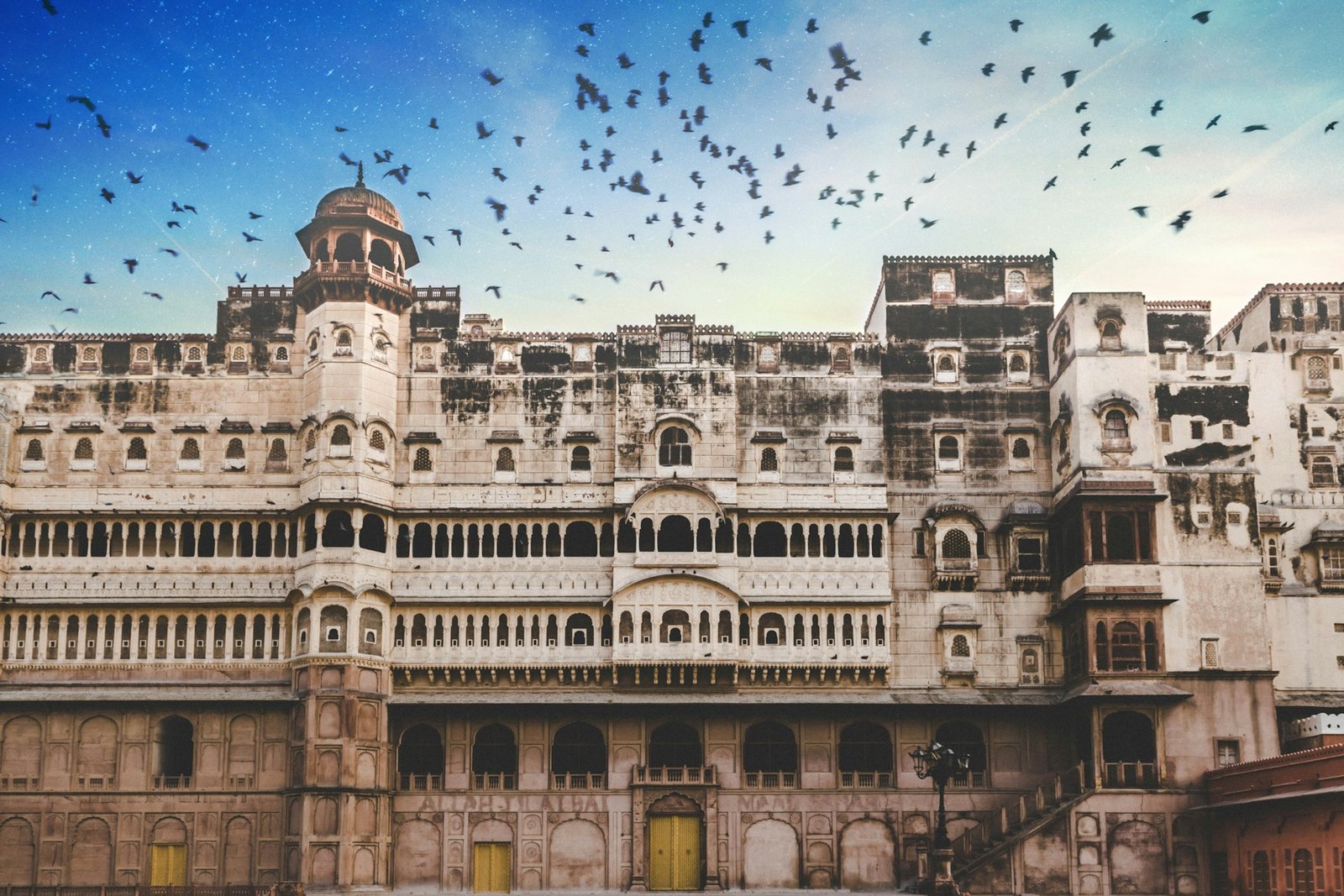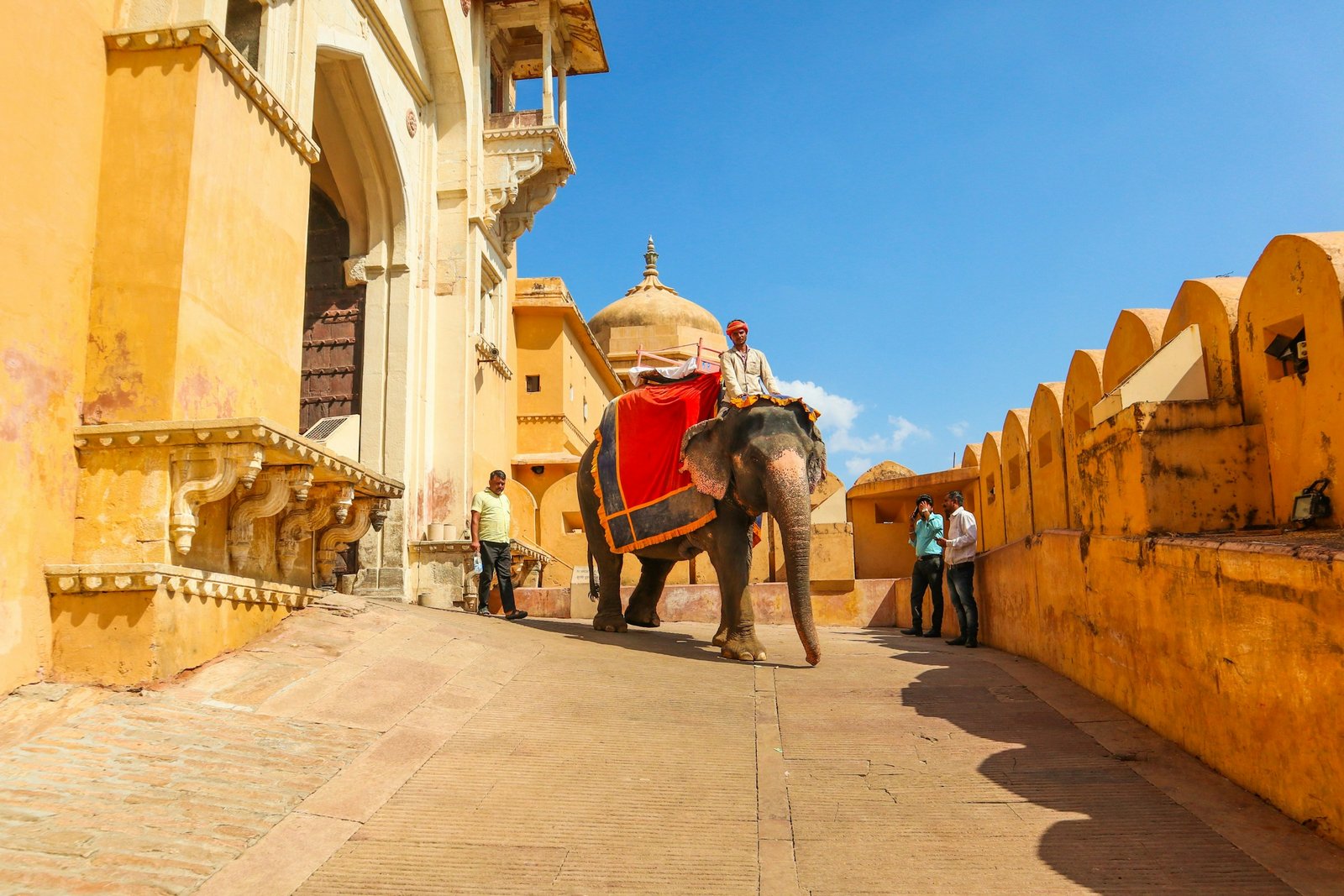
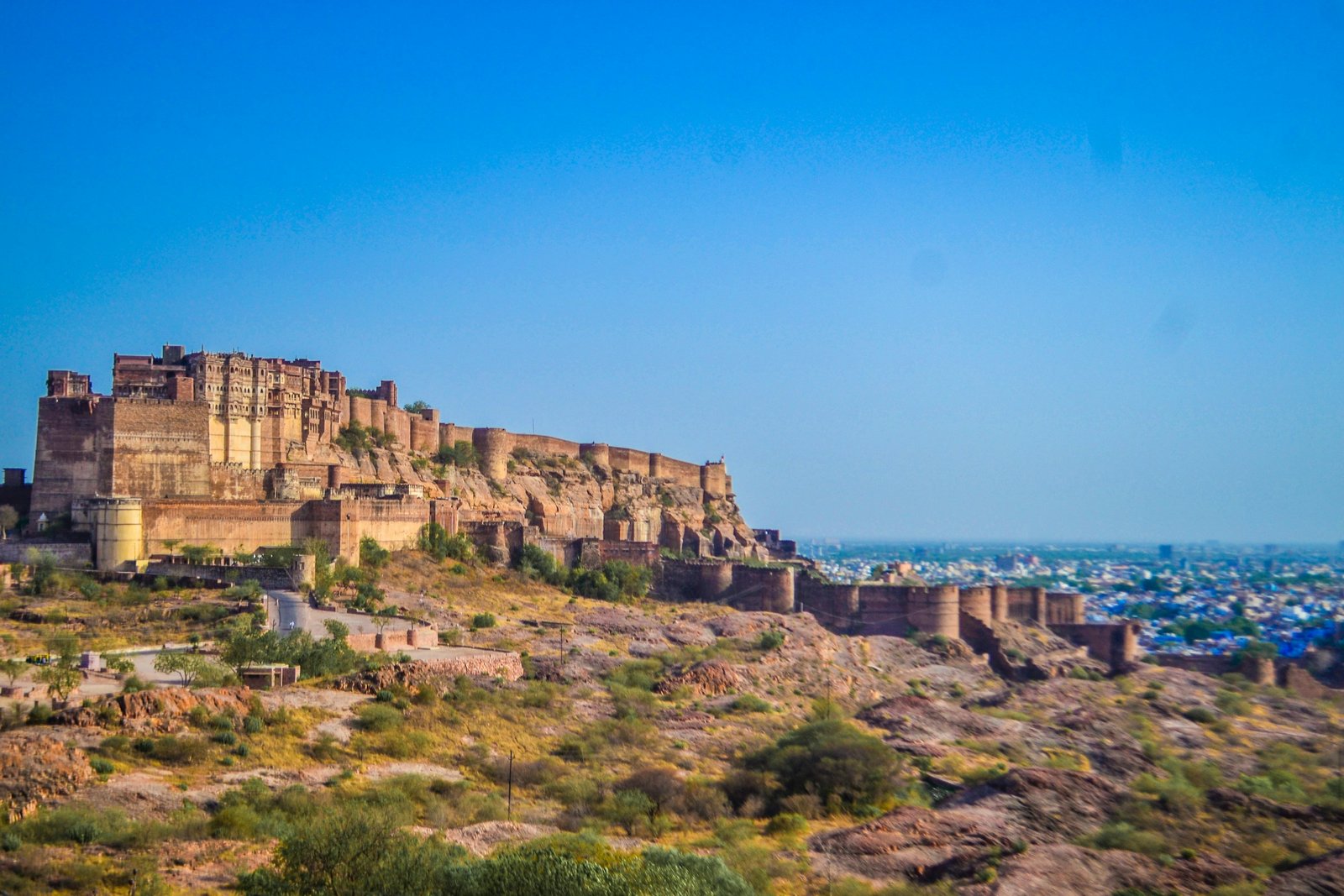
Explore the magnificent Mehrangarh Fort, colourful Blue City lanes, royal palaces, traditional markets and unforgettable flavours of Marwar.
Jodhpur is one of Rajasthan’s most impressive heritage destinations. Known as the Blue City, it is recognised for Mehrangarh Fort, blue-painted neighbourhoods, royal palaces, traditional markets, historic stepwells and the distinctive culture of the Marwar region.
The mighty Mehrangarh Fort rises above the city from a rocky hill and forms Jodhpur’s most iconic landmark. Below the fort, the old city is filled with narrow lanes, traditional homes, temples, rooftop cafés and busy markets.
Other important attractions include Jaswant Thada, Umaid Bhawan Palace Museum, Clock Tower, Sardar Market, Toorji Ka Jhalra, Rao Jodha Desert Rock Park, Mandore Gardens and Kaylana Lake.
Jodhpur is suitable for families, couples, solo travellers, heritage lovers, photographers, food enthusiasts and visitors travelling between Jaipur, Udaipur and Jaisalmer. One full day is sufficient for the principal landmarks, while two days provide a more comfortable experience with old-city walks and nearby excursions.
Jodhpur was founded in 1459 by Rao Jodha, a Rathore ruler and the chief of the Marwar region. He shifted his capital from Mandore to a more defensible rocky hill where Mehrangarh Fort was established.
The city developed below the fort and became an important political, military and trading centre. Its location connected it with routes used for the movement of textiles, spices, opium, copper, silk and other goods.
Successive Rathore rulers expanded Mehrangarh Fort by adding palaces, courtyards, gateways and temples. The architecture inside the fort reflects different periods of Marwar’s royal history.
The blue-painted houses around the fort contributed to Jodhpur’s modern identity as the Blue City. Different explanations are associated with the colour, including its traditional use by Brahmin households and the practical benefits of lime-based paint in the desert climate.
During the twentieth century, Maharaja Umaid Singh commissioned Umaid Bhawan Palace. Its construction provided employment during a severe period of drought and famine.
Today, Jodhpur combines its royal heritage with a lively modern city. Its forts, markets, food traditions, handicrafts and cultural festivals continue to attract travellers from around the world.
Mehrangarh Fort is Jodhpur’s most important tourist attraction and one of Rajasthan’s most magnificent forts. It rises above the city from a rocky hill and offers panoramic views of the blue-painted neighbourhoods below.
Visitors enter through a series of massive gateways before reaching royal courtyards, palaces, temples and museum galleries.
Important attractions inside the fort include:
Moti Mahal
Phool Mahal
Sheesh Mahal
Takhat Vilas
Jhanki Mahal
Daulat Khana
Chamunda Mata Temple
Royal palanquins
Arms and armour galleries
Miniature paintings
Textiles and decorative arts
The fort requires considerable walking. Comfortable footwear and sufficient time are recommended.
Jaswant Thada is a graceful white-marble memorial located near Mehrangarh Fort. It was built in memory of Maharaja Jaswant Singh II and contains portraits of former Marwar rulers.
The carved marble screens, domes, gardens and peaceful surroundings create an attractive contrast with the massive stone walls of Mehrangarh Fort.
Jaswant Thada and Mehrangarh Fort can conveniently be visited together.
Umaid Bhawan Palace is one of Jodhpur’s most recognised royal landmarks. Commissioned by Maharaja Umaid Singh, it combines Indo-Saracenic, Classical Revival and Art Deco influences.
The palace is divided into different sections, including a royal residence, a luxury hotel and a museum accessible to visitors.
The museum displays royal photographs, clocks, decorative objects and information about the history of the palace. Access to the hotel and private royal areas is restricted.
Ghanta Ghar, or the Clock Tower, is a prominent landmark in Jodhpur’s old city. It stands beside Sardar Market, one of the city’s busiest traditional shopping areas.
Visitors can shop for:
Spices
Textiles
Handicrafts
Silver jewellery
Traditional footwear
Tea
Sweets
Decorative items
Rajasthani souvenirs
The market is also a convenient place to try Jodhpur’s famous snacks and lassi.
Toorji Ka Jhalra is a historic stepwell in the old city. Its symmetrical stone steps, carved architecture and location near cafés and heritage buildings make it a popular attraction.
Visitors should avoid climbing into restricted or unsafe sections, particularly during the monsoon or when the steps are wet.
The neighbourhoods below Mehrangarh Fort are famous for their blue-painted houses, narrow lanes and traditional residential architecture.
A guided walking tour is recommended because the old city contains many interconnected streets and private residential areas. Visitors should ask permission before photographing local residents or homes.
Rao Jodha Desert Rock Park is located at the base of Mehrangarh Fort. The ecological restoration project showcases native plant species and the rocky landscape of the Marwar region.
Walking trails provide views of the fort, city walls and surrounding terrain. Early morning and late afternoon are generally the most comfortable times to visit.
Mandore was the capital of Marwar before Jodhpur was established. Mandore Gardens contains temples, gardens, historic structures and cenotaphs of former Marwar rulers.
Unlike the umbrella-shaped chhatris commonly seen elsewhere in Rajasthan, several cenotaphs at Mandore resemble elaborately carved Hindu temples.
The complex can be included with Balsamand Lake or another attraction north of Jodhpur.
Kaylana Lake is an artificial lake situated west of Jodhpur. It is popular for evening visits, sunset views, picnics and birdwatching.
Boating or other recreational activities may be available depending on the season and operating conditions.
Machiya Biological Park is situated near Kaylana Lake. It provides an opportunity to see selected regional animals and birds in a protected environment.
The park involves walking, so visitors should carry water and check current opening hours before travelling.
Balsamand Lake is located on the Jodhpur–Mandore Road. It was originally created as a water reservoir and is now known for its palace, gardens and peaceful setting.
Access to certain palace areas may depend on hotel or property policies.
Mahamandir Temple is dedicated to Lord Shiva and is known for its numerous carved pillars. Decorative sculptures and yoga postures are represented within its architecture.
Visitors should dress respectfully and follow the temple’s rules regarding footwear and photography.
Masuria Hill provides panoramic views of Jodhpur and its surrounding landscape. The garden is popular with local residents and can be considered for a sunset visit.
Access, parking and crowd levels may vary during festivals and weekends.
Sardar Government Museum is located within Umaid Garden. Its collection includes sculptures, weapons, textiles, miniature paintings, inscriptions and objects associated with the history of Marwar.
Opening days and current gallery access should be checked before visiting.
A guided walk through the old city allows visitors to discover blue-painted homes, temples, stepwells, markets and traditional neighbourhoods.
A local guide can help select suitable viewpoints while ensuring that private residential areas are respected.
Mehrangarh Fort offers some of the finest views of Jodhpur. The blue houses are particularly noticeable from the fort’s elevated courtyards and ramparts.
Morning and late-afternoon light generally provide the best photography conditions.
Sardar Market is ideal for shopping, tasting local snacks and observing everyday life in the old city.
Bargaining may be acceptable at some shops, but it should remain polite and reasonable.
Selected adventure activities may operate near Mehrangarh Fort and other approved locations. Availability depends on weather, maintenance and the operator’s schedule.
Travellers should check age, health, weight and safety requirements before booking.
A Bishnoi village safari introduces travellers to rural life, traditional crafts, local communities and the natural environment around Jodhpur.
Depending on the route, the experience may include:
Bishnoi villages
Pottery workshops
Handloom weaving
Traditional homes
Wildlife observation
Rural landscapes
Wildlife sightings are not guaranteed, and visitors should select an operator that respects local communities and animals.
Jodhpur is known for furniture, textiles, leather products, metalwork, pottery and hand-printed fabrics. Workshops and responsible shopping visits can be added to the itinerary.
Popular sunset locations include:
Mehrangarh Fort viewpoints
Jaswant Thada surroundings
Kaylana Lake
Masuria Hill
Rooftop cafés in the old city
Access and closing times should be checked before planning a late-evening visit.
Jodhpur hosts cultural events celebrating folk music, traditional dance and the heritage of Marwar. Festival dates and venues change each year, so accommodation should be booked early when travelling during a major event.
Mirchi bada is one of Jodhpur’s most famous snacks. It consists of a large chilli filled with a seasoned potato mixture, coated in gram-flour batter and deep-fried.
It is generally served with sweet and spicy chutneys.
Mawa kachori is a distinctive Jodhpur sweet. The fried pastry is filled with mawa and dry fruits before being coated or soaked in sugar syrup.
Pyaz ki kachori is a crispy fried snack filled with seasoned onions and spices. It is commonly served with tamarind and coriander chutneys.
Makhania lassi is a thick, rich yoghurt drink often flavoured with saffron, cardamom, butter or dry fruits. It is one of the most popular refreshments around the old city.
Dal baati churma combines seasoned lentils, baked wheat baati and sweet churma. Ghee is traditionally served with the meal.
Ker sangri is a traditional desert preparation made with dried berries and beans found in Rajasthan’s arid regions. It is generally served with roti.
Gatte ki sabzi consists of gram-flour dumplings cooked in a seasoned yoghurt-based gravy. It is commonly served with roti or rice.
Laal maas is a spicy Rajasthani mutton curry known for its deep colour and chilli flavour. Travellers who prefer mild food should request a less-spicy preparation.
Jodhpur’s sweet shops serve rich gulab jamun, often enjoyed warm. The city is also known for several varieties of laddoo, barfi and other traditional sweets.
Choose busy and well-maintained restaurants, drink sealed or filtered water and check food hygiene before eating at street stalls.
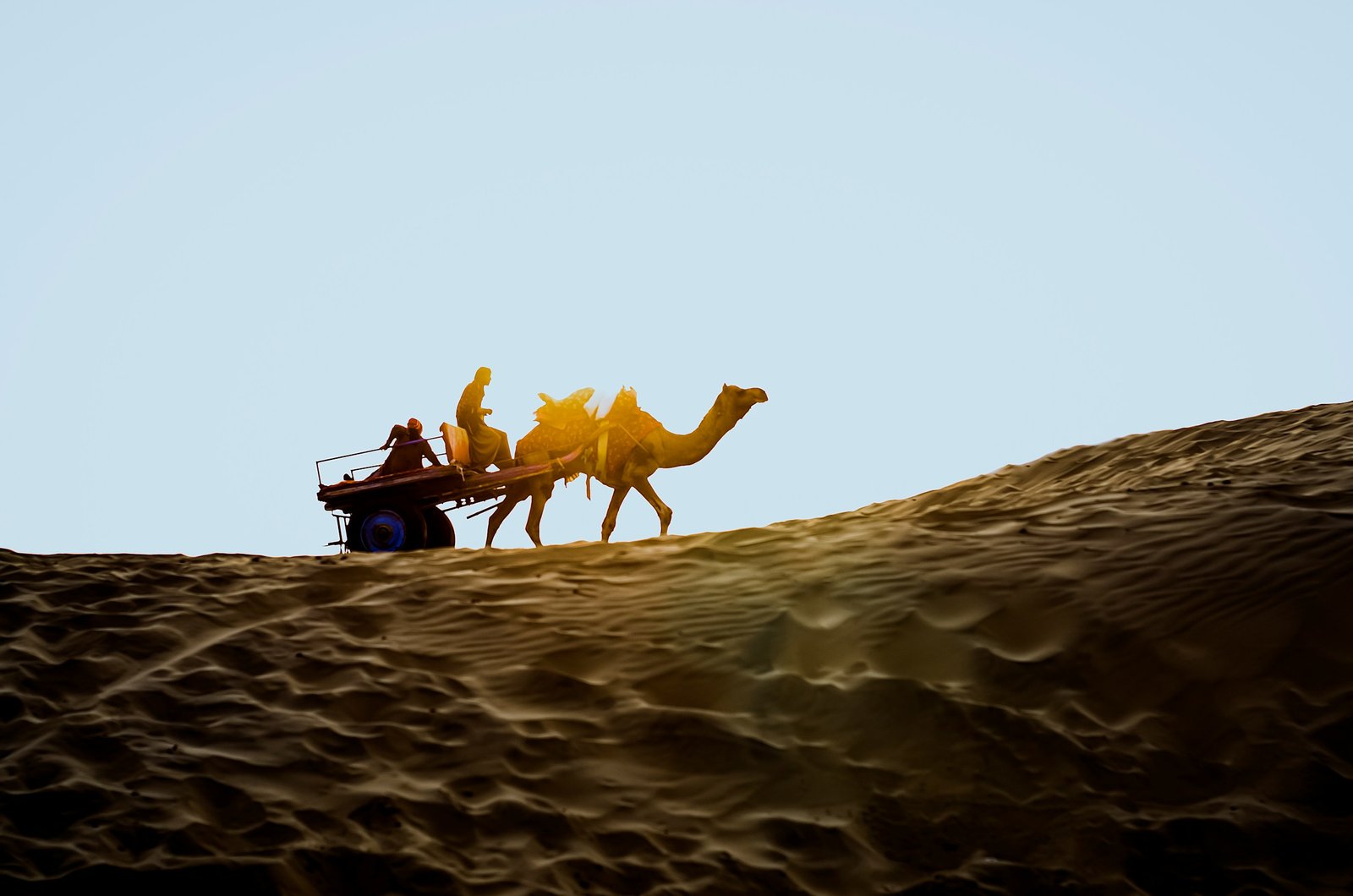 4 Days / 3 Nights
Discover the royal heritage and desert beauty of Rajasthan with our 3 Nights 4 Days Jodhpur Jaisalmer Tour Package. Explore Jodhpur’s magnificent Mehrangarh Fort, Jaswant Thada and colourful old-city markets before travelling to Jaisalmer for an unforgettable desert camp experience. Enjoy camel safari, sunset over the dunes, cultural performances and sightseeing at Jaisalmer Fort, historic havelis and Gadisar Lake.
Explore the royal heritage of Rajasthan with our Jaipur Jodhpur Udaipur Tour Package for 6 days. Discover the forts and palaces of Jaipur, visit the spiritual towns of Ajmer and Pushkar, explore historic Jodhpur and experience the beautiful lakes and royal charm of Udaipur.
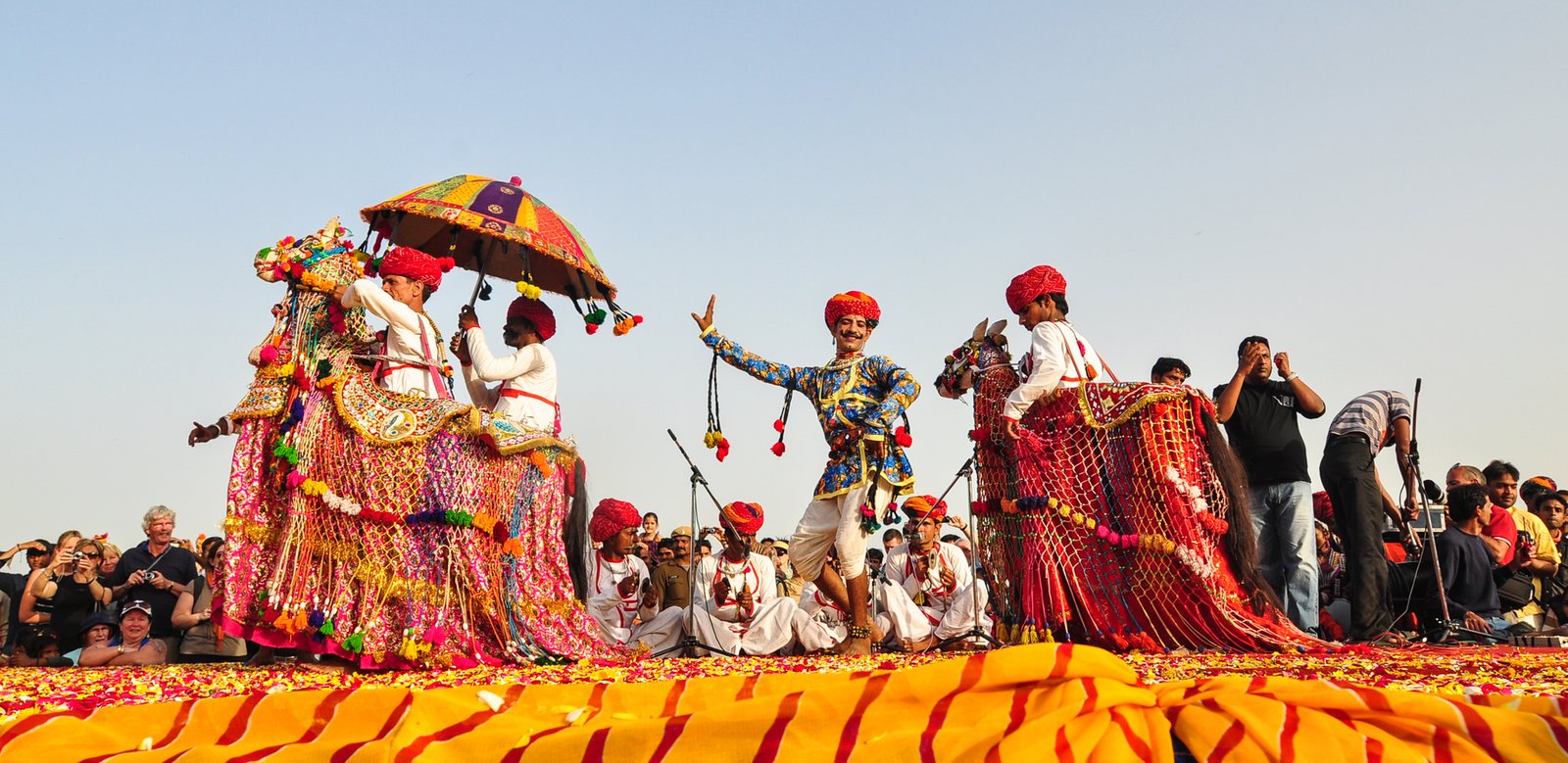 6 Days / 5 Nights
Explore the diverse beauty of Rajasthan with our Udaipur Jodhpur Jaisalmer Tour Package for 5 nights and 6 days. Discover Udaipur's beautiful lakes and palaces, experience the royal heritage of Jodhpur and enjoy an unforgettable desert camp stay in Jaisalmer.
6 Days / 5 Nights
Explore Rajasthan’s royal cities, spiritual destinations and desert landscapes with our 5 Nights 6 Days Jaipur Pushkar Jodhpur Jaisalmer Tour Package. Discover Jaipur’s forts and palaces, visit Ajmer Sharif and sacred Pushkar, explore Jodhpur’s Mehrangarh Fort and experience Jaisalmer’s Golden Fort, havelis, camel safari and desert camp. The journey begins in Jaipur and concludes with a convenient drop in Jodhpur.
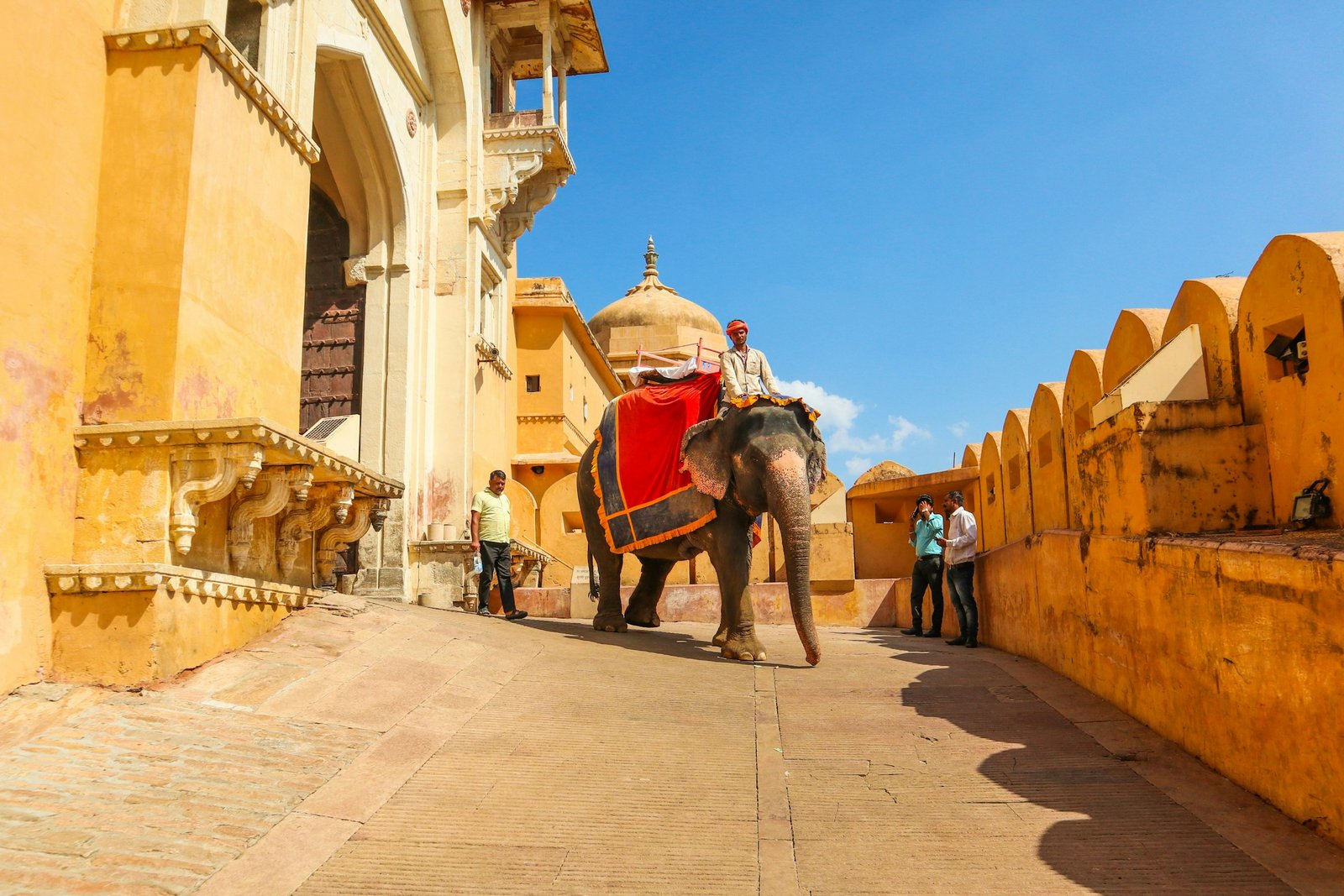 8 Days / 7 Nights
Experience Rajasthan’s royal cities, spiritual destinations, tranquil lakes and golden desert with our 7 Nights 8 Days Jaipur Udaipur Jodhpur Jaisalmer Tour Package. Explore Jaipur’s forts and palaces, visit Ajmer and Pushkar, discover Udaipur’s lakes, see Jodhpur’s Mehrangarh Fort and enjoy camel safari, cultural performances and an overnight desert camp near Jaisalmer.
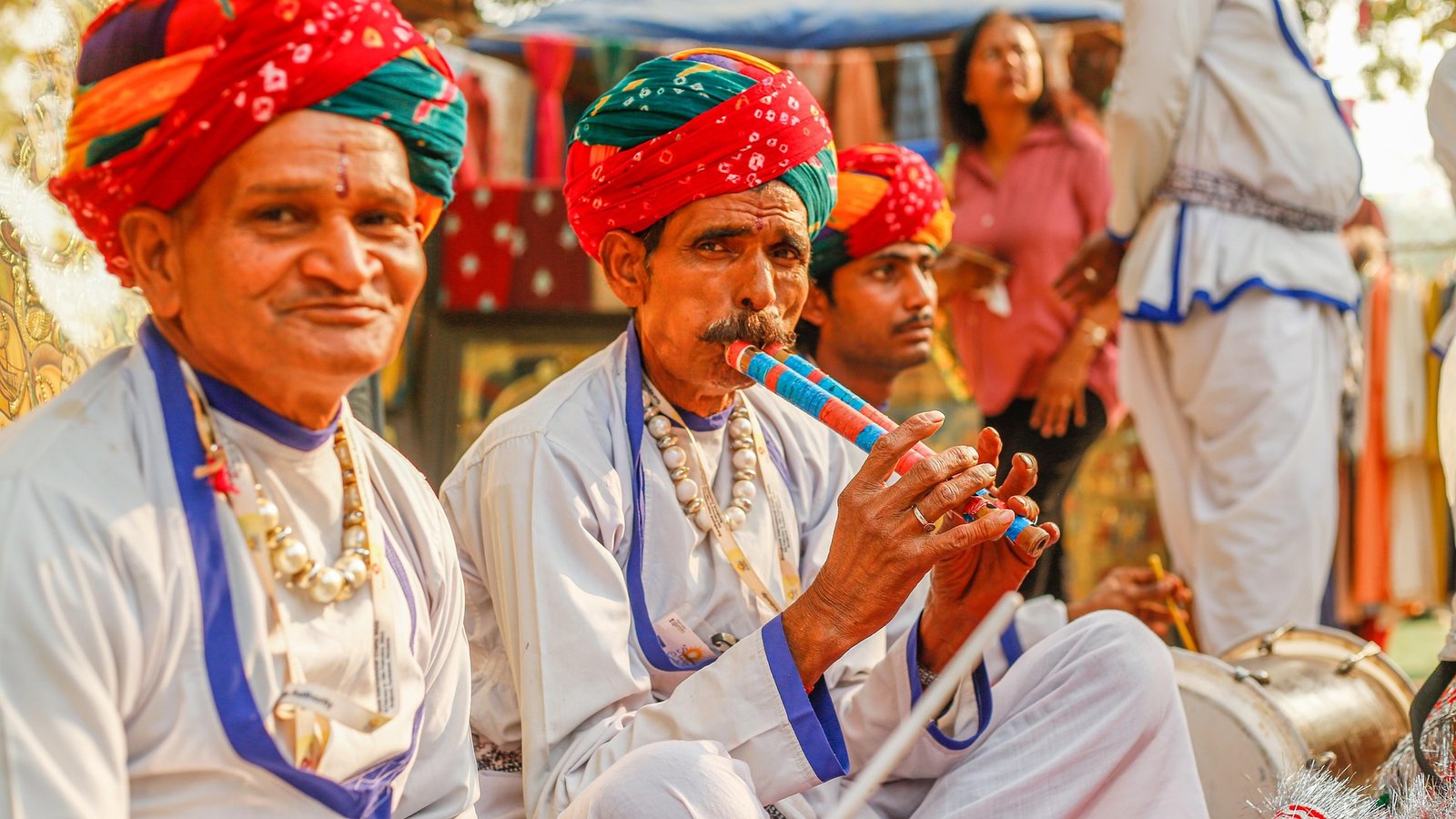 10 Days / 9 Nights
Explore Rajasthan’s royal history, magnificent forts, desert landscapes, lake palaces and spiritual destinations with our 9 Nights 10 Days Historical Rajasthan Tour Package. The journey covers Jaipur, Bikaner, Jaisalmer, Jodhpur, Kumbhalgarh, Udaipur, Ajmer and Pushkar with private sightseeing, a Jaisalmer desert camp stay and convenient Jaipur pickup and drop.
Jodhpur is well connected with major Indian cities by domestic flights, long-distance trains, national highways and interstate buses.
Travellers commonly reach Jodhpur from Jaipur, Udaipur, Jaisalmer, Bikaner, Delhi and Ahmedabad.
Jodhpur Airport, with airport code JDH, is the nearest airport to the city. It is located approximately 5–7 kilometres from central Jodhpur, depending on the hotel and selected route.
The airport operates domestic flights connecting Jodhpur with selected major cities. Routes, airlines and frequencies can change according to seasonal schedules and operational requirements.
Transport options available from the airport may include:
Prepaid or authorised taxis
App-based cabs, subject to availability
Private airport transfers
Hotel pickup services
Pre-booked tour vehicles
The airport shares its airfield environment with a defence establishment, so photography and access restrictions may apply. Travellers should follow all security instructions.
Jodhpur Junction, with station code JU, is the principal railway station serving the city. It is connected with Delhi, Jaipur, Jaisalmer, Bikaner, Ahmedabad, Mumbai and selected destinations in other regions.
The station is situated close to central Jodhpur, but travel time depends on traffic and hotel location.
Taxis, auto-rickshaws and private transfers are generally available outside the station. Pickup should be arranged in advance for late-night or early-morning arrivals.
Bhagat Ki Kothi, with station code BGKT, is another important railway station in Jodhpur. Some long-distance trains may originate, terminate or stop here instead of Jodhpur Junction.
Passengers should check the station name and code printed on their ticket before arranging transport.
Jodhpur has good road connections with Jaipur, Jaisalmer, Udaipur, Bikaner, Ajmer, Pushkar, Ahmedabad and Delhi.
Government buses, private buses, taxis and tour vehicles operate on major routes.
Jodhpur to Jaisalmer: Approximately 280–290 kilometres
Jodhpur to Udaipur: Approximately 245–260 kilometres
Jodhpur to Jaipur: Approximately 330–350 kilometres
Jodhpur to Bikaner: Approximately 245–255 kilometres
Jodhpur to Ajmer: Approximately 200–210 kilometres
Jodhpur to Pushkar: Approximately 185–200 kilometres
Jodhpur to Ahmedabad: Approximately 450–470 kilometres
Jodhpur to Delhi: Approximately 590–620 kilometres
Actual distances and travel times depend on the route, traffic, weather, road conditions and refreshment stops.
Osian is approximately 60–70 kilometres from Jodhpur. It is known for its historic Hindu and Jain temples and desert surroundings.
Depending on the selected operator and season, visitors may also arrange:
Camel rides
Jeep safaris
Desert sunset
Village visits
Cultural programmes
Overnight camp stays
Several Bishnoi villages are located within driving distance of Jodhpur. A guided village safari can introduce visitors to traditional rural life, handicrafts and conservation practices.
Commonly included areas may feature:
Guda village
Khejarli
Salawas
Kankani
Pottery and weaving communities
The exact route depends on the operator and local conditions.
Khejarli is historically associated with the Bishnoi community and its tradition of environmental conservation. It can be included as part of a responsible village safari.
Salawas is known for traditional handwoven rugs and village crafts. Travellers may visit local workshops and purchase products directly from artisans.
Khimsar is approximately 90–100 kilometres from Jodhpur. It is known for its heritage fort, rural surroundings and nearby desert experiences.
Khimsar can be combined with Nagaur or included while travelling between Jodhpur and Bikaner.
Nagaur is approximately 130–140 kilometres from Jodhpur. Its main attraction is Nagaur Fort, also known as Ahhichatragarh Fort.
The fort complex contains palaces, courtyards, water systems, murals and historic architecture.
Pali is approximately 70–75 kilometres from Jodhpur. It is an important commercial centre and can serve as a stop while travelling towards Ranakpur or Udaipur.
Ranakpur is approximately 155–165 kilometres from Jodhpur. It is famous for its magnificent Jain temple constructed from marble and supported by numerous carved pillars.
Visitors should dress respectfully and follow the temple’s entry and photography rules.
Kumbhalgarh is approximately 170–180 kilometres from Jodhpur. Its principal attraction is Kumbhalgarh Fort, situated within the Aravalli hills.
The fort contains massive walls, gateways, temples, palace ruins and panoramic viewpoints. The journey involves hilly roads and should be planned with sufficient time.
Jaisalmer is approximately 280–290 kilometres from Jodhpur. The Golden City is known for Jaisalmer Fort, historic havelis, Gadisar Lake, desert camps and Sam Sand Dunes.
Jodhpur and Jaisalmer are frequently combined in a three-night or four-night Rajasthan tour.
Udaipur is approximately 245–260 kilometres from Jodhpur. The City of Lakes is known for City Palace, Lake Pichola, Jagdish Temple, Fateh Sagar Lake and Saheliyon Ki Bari.
Ranakpur or Kumbhalgarh can be included while travelling between Jodhpur and Udaipur, although adding sightseeing makes the journey considerably longer.
Ajmer and Pushkar can be visited while travelling between Jodhpur and Jaipur.
Ajmer is known for:
Ajmer Sharif Dargah
Adhai Din Ka Jhonpra
Ana Sagar Lake
Pushkar is known for:
Brahma Temple
Pushkar Lake
Sacred ghats
Pushkar Market
Savitri Temple ropeway
A compact one-day sightseeing itinerary may include:
Mehrangarh Fort
Mehrangarh Fort Museum
Jaswant Thada
Umaid Bhawan Palace Museum
Toorji Ka Jhalra
Clock Tower
Sardar Market
Blue City viewpoint, subject to time
Because Mehrangarh Fort requires considerable time, the itinerary should begin early.
Mehrangarh Fort
Mehrangarh Fort Museum
Chamunda Mata Temple
Jaswant Thada
Rao Jodha Desert Rock Park
Blue City heritage walk
Toorji Ka Jhalra
Clock Tower and Sardar Market
Umaid Bhawan Palace Museum
Mandore Gardens
Balsamand Lake, subject to access
Mahamandir Temple
Kaylana Lake
Machiya Biological Park, subject to time
Sunset viewpoint
Travellers with three days can add one of the following experiences:
Osian temples and desert safari
Bishnoi village safari
Khimsar and Nagaur
Ranakpur day excursion
Additional heritage and food walk
October to March is generally the best time to visit Jodhpur. The cooler weather is suitable for fort visits, heritage walks, village safaris and outdoor sightseeing.
December and January can be cold during early mornings and evenings. Travellers should carry a warm layer.
April to June can be extremely hot. Sightseeing should begin early, and outdoor visits should be limited during the hottest part of the afternoon.
The monsoon season may bring occasional rain and higher humidity. Rain can make the landscape greener, but it may also affect walking tours and road journeys.
Keep at least one full day for the principal city attractions.
Add a second day for Mandore, Kaylana Lake or a village safari.
Begin Mehrangarh Fort early to avoid rushing.
Wear comfortable footwear because the fort involves walking and slopes.
Carry water, sunscreen, sunglasses and a hat.
Check monument timings and entry charges before travelling.
Confirm museum access at Umaid Bhawan Palace.
Ask permission before photographing residents in the Blue City.
Use a local guide for narrow old-city lanes.
Keep personal belongings secure in crowded markets.
Confirm the airport terminal and railway station before departure.
Allow additional time for traffic near the old city.
Dress respectfully when visiting temples.
Avoid littering at lakes, parks and village locations.
Select responsible operators for village and wildlife experiences.
Carry a valid government-issued photo ID.
Check festival dates and reserve accommodation early during peak periods.
Jodhpur combines royal history, traditional neighbourhoods, desert culture and exceptional food in a destination that is both impressive and welcoming.
From exploring the palaces of Mehrangarh Fort to walking through blue-painted lanes and shopping at Sardar Market, Jodhpur offers a memorable introduction to the heritage of Marwar.