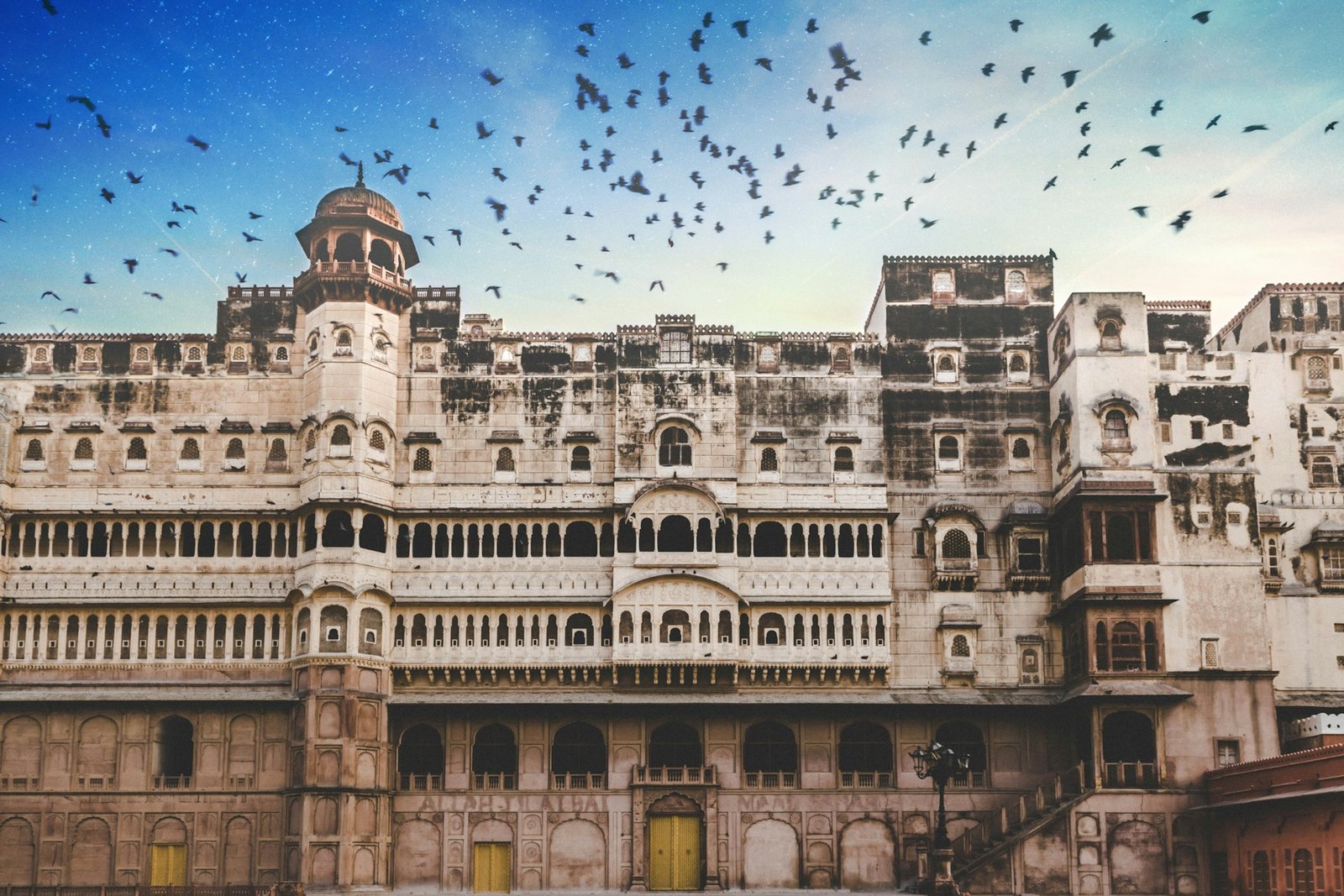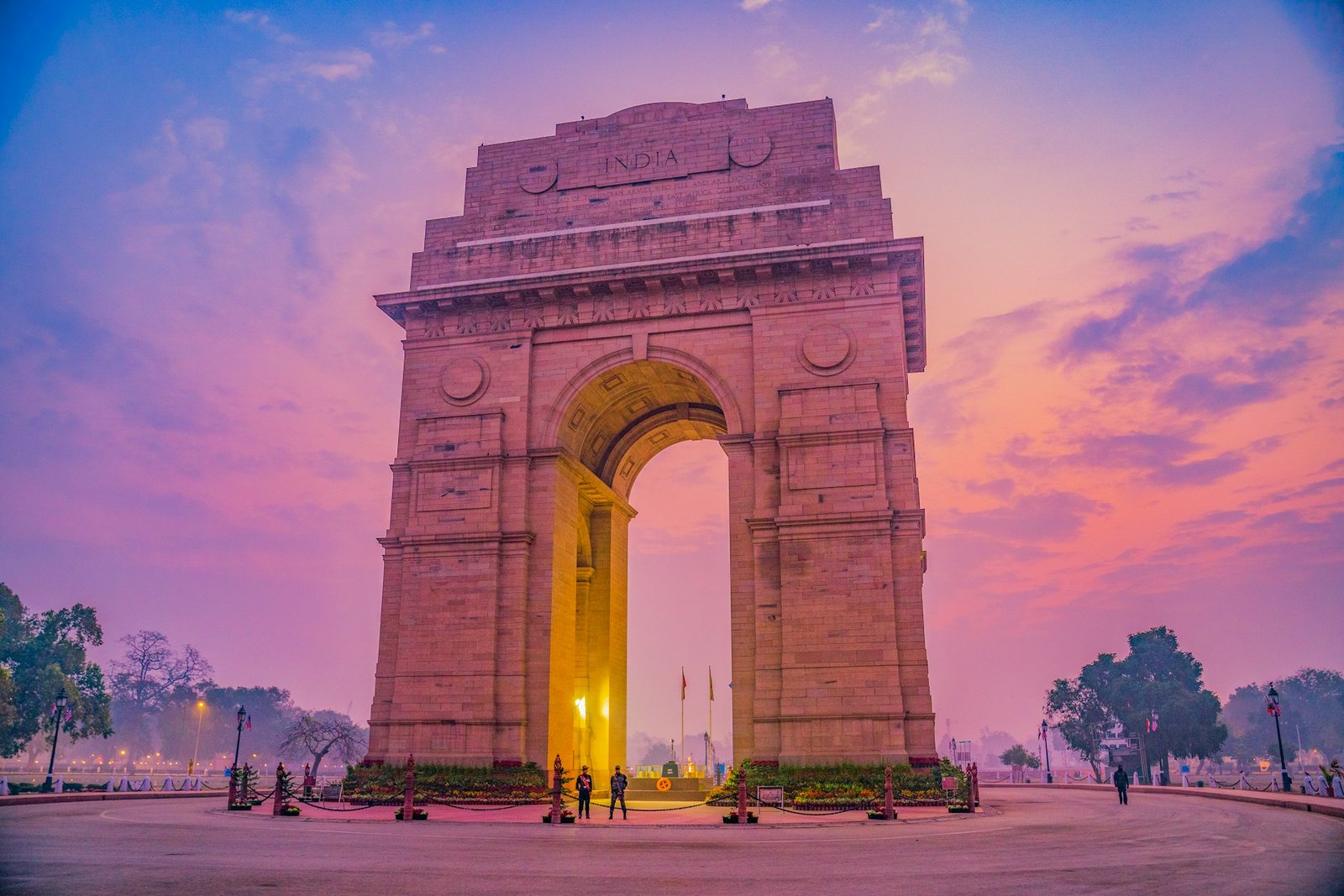
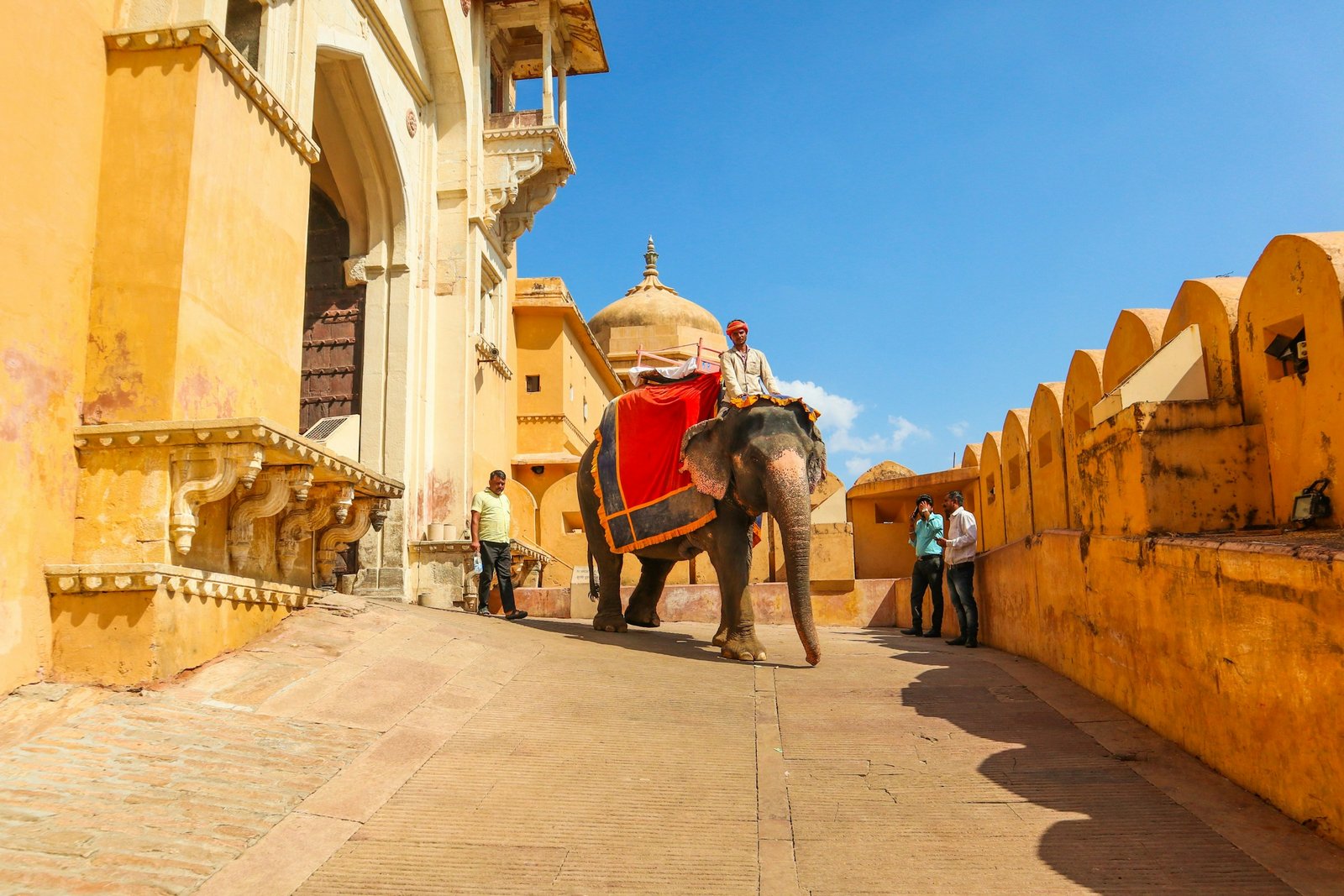
Explore the royal forts, colourful bazaars, magnificent palaces and timeless culture of Rajasthan’s Pink City.
Jaipur is the capital of Rajasthan and one of India’s most popular heritage destinations. Famously known as the Pink City, Jaipur welcomes travellers with magnificent forts, royal palaces, colourful markets, historic observatories, traditional neighbourhoods and warm Rajasthani hospitality.
The city offers an interesting combination of history and modern travel experiences. Visitors can explore centuries-old monuments during the day, shop for jewellery and handicrafts in traditional bazaars, enjoy authentic Rajasthani food and spend the evening watching the sunset from an Aravalli hill fort.
Jaipur forms an important part of India’s Golden Triangle tourist circuit along with Delhi and Agra. It is also a convenient starting point for exploring Ajmer, Pushkar, Ranthambore, Jodhpur, Udaipur and other destinations across Rajasthan.
Whether you are planning a family holiday, a romantic trip, a group tour, a photography journey or a weekend getaway, Jaipur offers enough variety for every type of traveller. Two full days are generally suitable for covering its major attractions, while a three-day stay allows visitors to explore the city at a more comfortable pace.
Jaipur was founded in 1727 by Maharaja Sawai Jai Singh II, the ruler of Amer. As the population of Amer increased and water became limited, the ruler decided to establish a new capital on the plains.
The city was planned with the assistance of Vidyadhar Bhattacharya, a respected architect and scholar. Jaipur was designed using organised streets, residential quarters, marketplaces and public squares. Its planned urban layout made it one of the most advanced cities of its time.
Sawai Jai Singh II was also interested in astronomy and mathematics. His scientific interests led to the construction of Jantar Mantar, an astronomical observatory containing large instruments used to study time and celestial movements.
In 1876, several buildings within the old city were painted in shades of terracotta pink to welcome the Prince of Wales. Pink traditionally represented hospitality, and the colour eventually became a defining feature of Jaipur. Many façades within the historic walled city continue to maintain this distinctive appearance.
Jaipur’s history can still be experienced through its palaces, gateways, temples, markets, stepwells and royal residences. The historic walled city of Jaipur is also recognised as a UNESCO World Heritage Site.
Amber Fort is one of Jaipur’s most impressive heritage attractions. Located on a hill overlooking Maota Lake, the complex features massive gateways, royal courtyards, decorative halls and beautiful viewpoints.
Important sections include Jaleb Chowk, Diwan-e-Aam, Ganesh Pol, Sheesh Mahal and Sukh Niwas. Travellers should keep sufficient time for walking through the fort because the complex is extensive and includes steps and inclined pathways.
Located in the heart of the old city, City Palace was the ceremonial and administrative centre of Jaipur’s royal family. Its museums, courtyards, gateways and royal rooms display a combination of Rajput and Mughal architectural influences.
Visitors can see historic weapons, textiles, manuscripts, paintings, carriages and other objects connected with Jaipur’s royal heritage. Some special sections may require separate entry tickets.
Hawa Mahal is one of the most photographed landmarks in Rajasthan. Its remarkable façade contains hundreds of small windows and decorative screens that allowed royal women to observe street celebrations while maintaining privacy.
A short photography stop from the front provides the classic view. Visitors can also enter the monument and explore its narrow passages, upper floors and viewpoints.
Jantar Mantar is a historic astronomical observatory and a UNESCO World Heritage Site. It contains large instruments created to calculate time, track celestial bodies and observe astronomical movements.
The structures are scientifically important, but their scale and geometric design also make the observatory interesting for photographers and architecture enthusiasts.
Jal Mahal appears to float in the middle of Man Sagar Lake. Entry inside the palace is generally not available to regular visitors, but travellers can enjoy the view and take photographs from the lakeside promenade.
The location is usually covered while travelling between Jaipur city and Amer.
Nahargarh Fort stands on the Aravalli hills and provides wide views over Jaipur. It is particularly popular during the late afternoon and around sunset.
The fort includes historic structures, courtyards and viewing areas. Travel time may increase during weekends and holidays, so visitors should plan accordingly.
Jaigarh Fort is known for its defensive architecture, watchtowers, water-management system and commanding views of the surrounding hills. The fort is often associated with the Jaivana cannon and Jaipur’s military history.
Jaigarh can be combined with Amber Fort, although visiting both requires additional walking and time.
Albert Hall Museum is housed in an impressive Indo-Saracenic building near Ram Niwas Garden. Its collections include paintings, sculptures, metalwork, textiles, decorative arts and historic artefacts.
The illuminated exterior is also attractive in the evening and can be included as a photography stop.
Panna Meena Ka Kund is a historic stepwell near Amer. Its symmetrical stairways and geometric design make it a popular photography location. Visitors should follow local access rules because entering the steps may sometimes be restricted.
Galtaji is a historic pilgrimage complex situated between the Aravalli hills. The site includes temples, water tanks and traditional architecture. It is also popularly called the Monkey Temple because many monkeys live around the area.
Visitors should keep food, glasses and loose personal belongings secure while exploring the complex.
Patrika Gate is known for its colourful corridors, detailed artwork and decorative arches inspired by different regions of Rajasthan. It is a popular photography location and can be conveniently combined with Jawahar Circle.
Walk through Johari Bazaar, Bapu Bazaar, Tripolia Bazaar and other markets inside the walled city. Jaipur is known for gemstones, jewellery, textiles, block-printed fabrics, blue pottery, lac bangles, leather footwear and handmade souvenirs.
Prices and product quality can vary, so compare items before making larger purchases.
A guided heritage walk is a good way to discover old havelis, temples, traditional shops, narrow lanes and historic gateways that are often missed during regular vehicle-based sightseeing.
Morning walks are generally more comfortable and provide better opportunities to observe local life.
Nahargarh Fort is a popular sunset location, while selected viewpoints near Jaigarh and Amer also offer beautiful views. Arrive early on busy days to allow time for parking, walking and finding a suitable viewpoint.
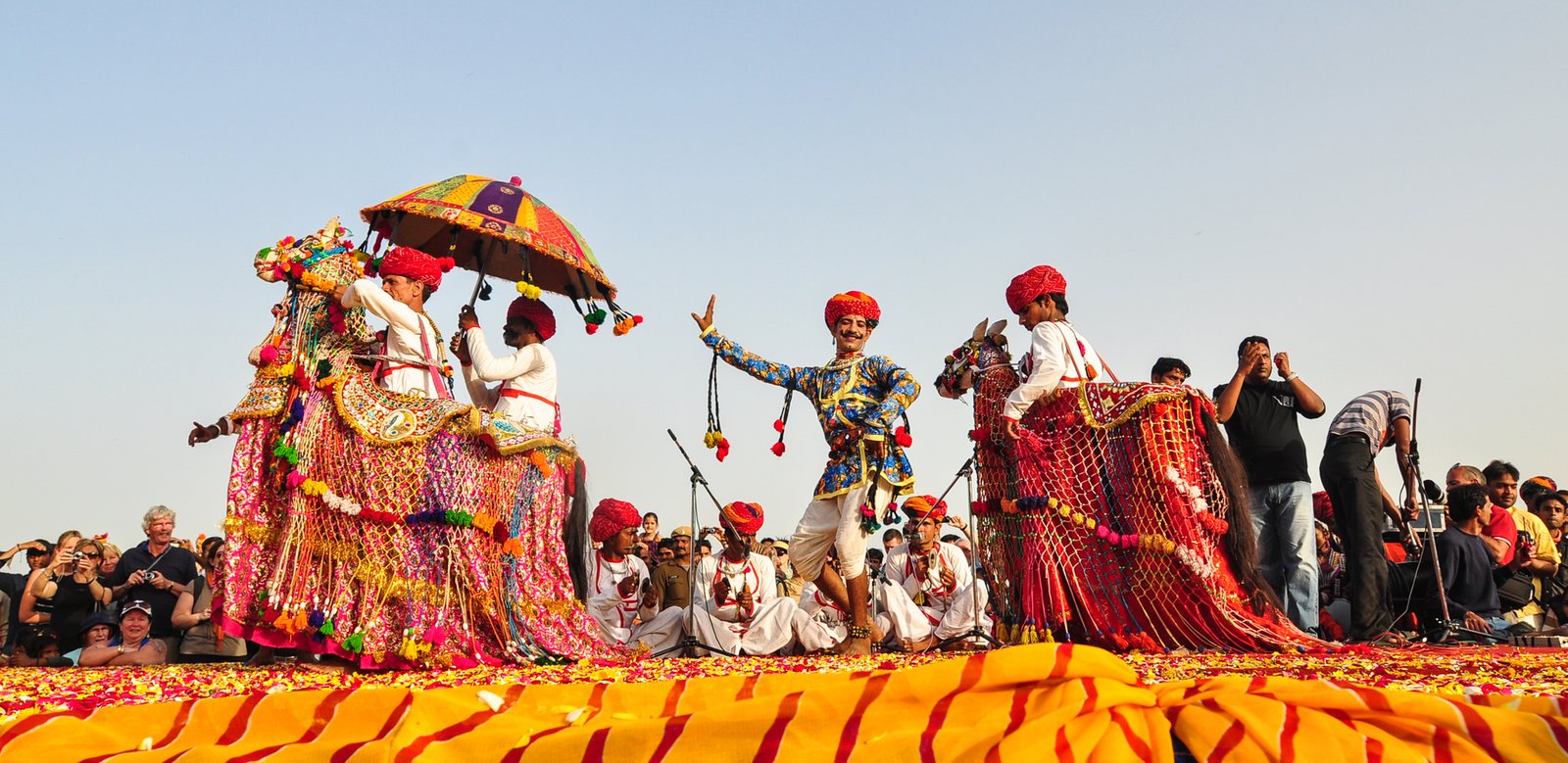
Travellers can attend a cultural evening featuring Rajasthani music, folk dance, traditional décor and local cuisine. Cultural village experiences and selected hotels or resorts may organise such programmes.
Timings, performances and inclusions should be confirmed before booking.
Jaipur is well known for block printing, blue pottery, jewellery making and traditional textile work. Visitors can explore artisan workshops or book a hands-on craft experience where available.
A private cab is a convenient option for Jaipur sightseeing because attractions are spread across the old city, Amer region and Aravalli hills. It also provides flexibility for families, groups, senior citizens and travellers carrying luggage.
Jaipur’s food culture includes traditional Rajasthani dishes, popular street snacks, sweets and modern dining experiences.
Dal baati churma is one of Rajasthan’s best-known meals. It combines baked wheat baati, lentils, ghee and sweet churma. It is often served with vegetables, chutney and other accompaniments.
Pyaaz kachori is a crispy pastry filled with a spicy onion mixture. It is commonly served with sweet and tangy chutneys and is a popular breakfast or evening snack.
Ghevar is a traditional Rajasthani sweet with a distinctive disc-shaped texture. It is especially popular during festivals, although many established sweet shops sell it throughout the year.
Mirchi bada consists of a large chilli filled with a spiced mixture, coated in gram-flour batter and deep-fried. The chilli is generally mild, but spice levels may vary.
Laal maas is a rich Rajasthani meat curry recognised for its deep colour and bold flavours. Travellers who prefer less spice should inform the restaurant while ordering.
Ker sangri is a traditional desert preparation made using locally found berries and beans. It is usually cooked with spices and pairs well with bajra roti.
A chilled glass of sweet or flavoured lassi is a refreshing choice after sightseeing. Several traditional shops around the city serve thick lassi in earthen cups.
Jaipur also offers rooftop restaurants, heritage dining venues, cafés and vegetarian thali restaurants. Choose clean and well-reviewed establishments, particularly when trying street food.
 4 Days / 3 Nights
Explore Rajasthan’s royal heritage and spiritual destinations with our 3 Nights 4 Days Jaipur Ajmer Pushkar Tour Package. Discover Jaipur’s magnificent forts, palaces, colourful markets and architectural landmarks before taking a same-day trip to Ajmer Sharif and the sacred town of Pushkar. The package includes convenient Jaipur pickup and drop, comfortable road travel and a flexible sightseeing itinerary suitable for families, couples and private groups.
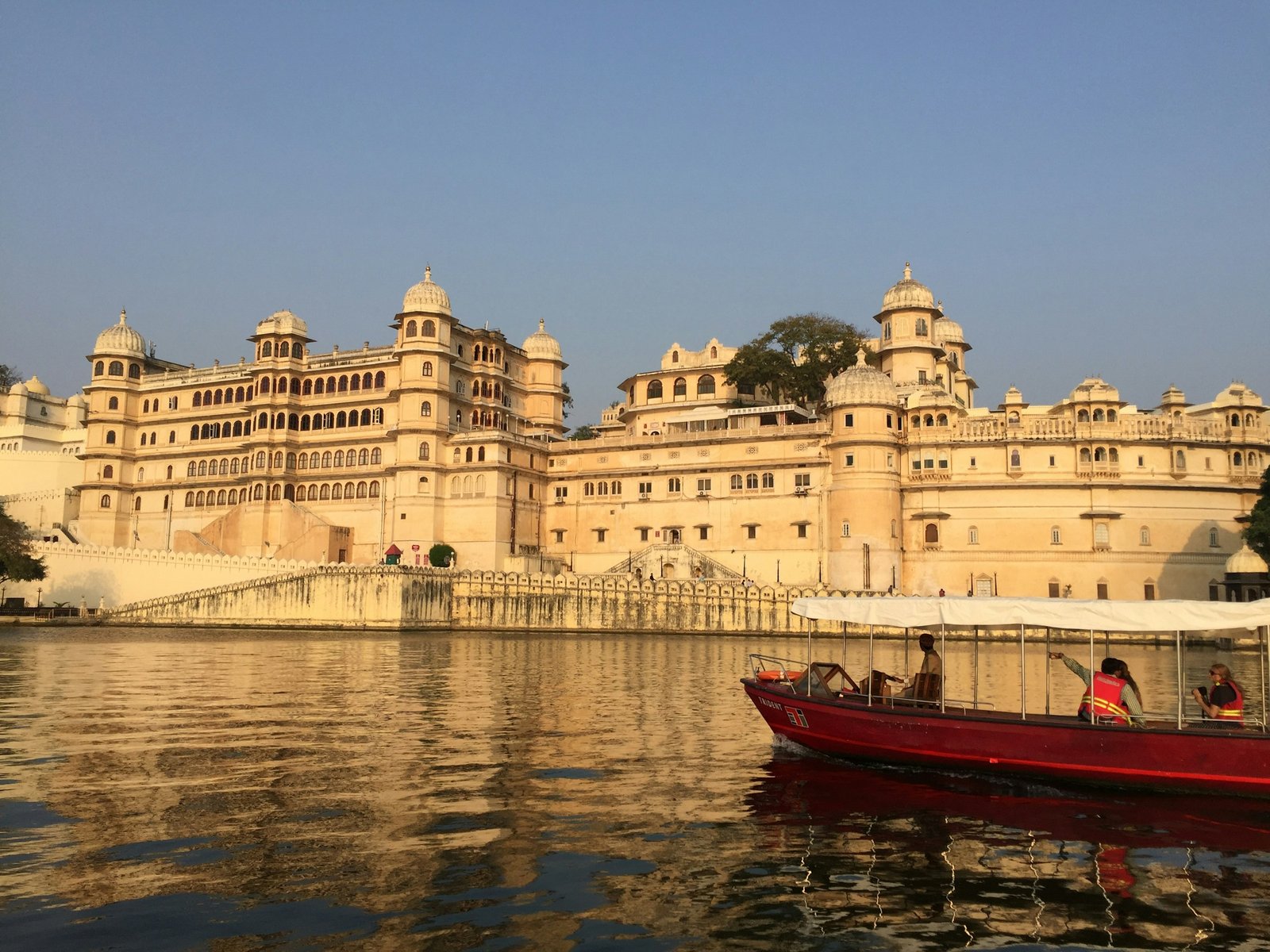
Explore the royal heritage of Rajasthan with our Jaipur Jodhpur Udaipur Tour Package for 6 days. Discover the forts and palaces of Jaipur, visit the spiritual towns of Ajmer and Pushkar, explore historic Jodhpur and experience the beautiful lakes and royal charm of Udaipur.
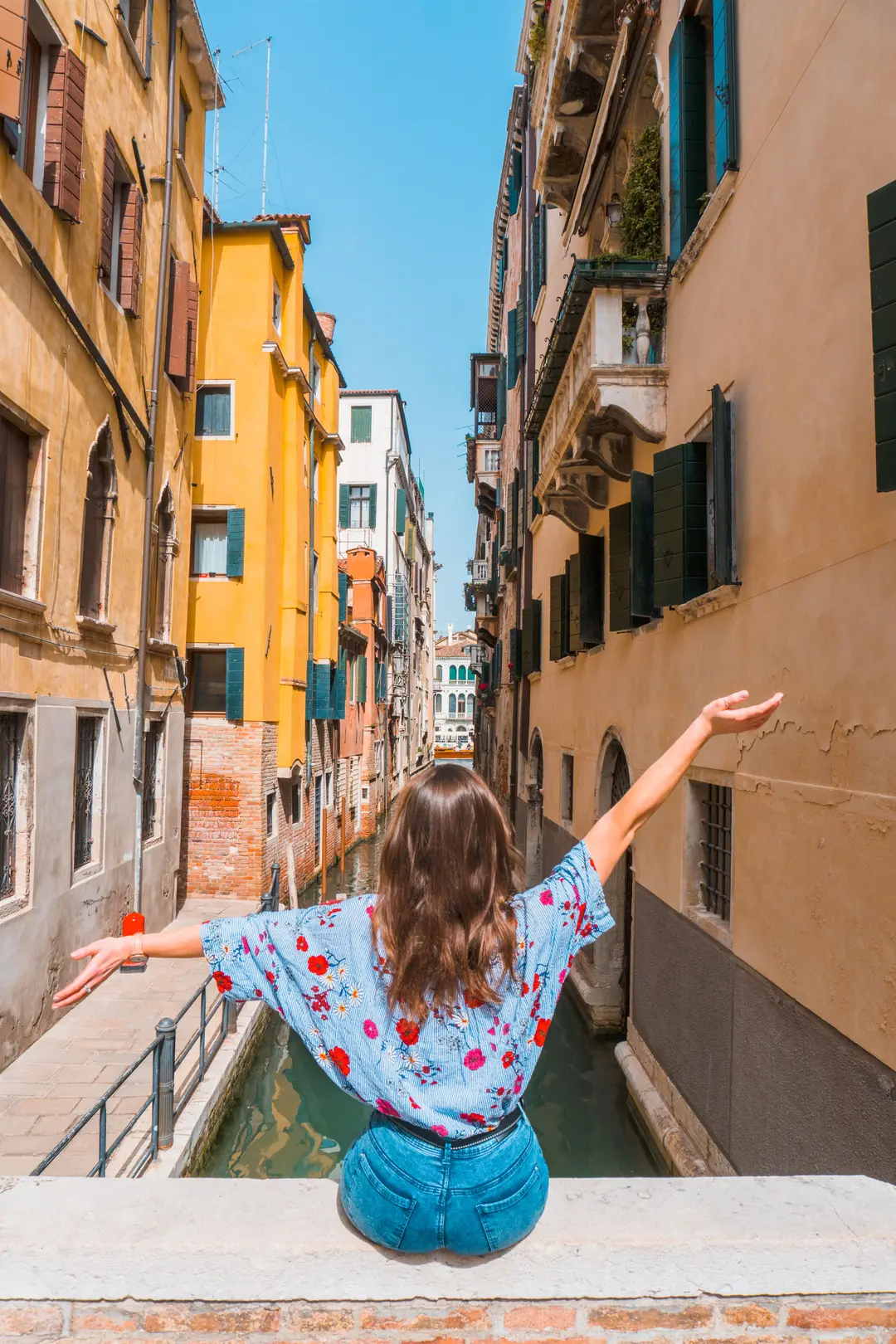 5 Days / 4 Nights
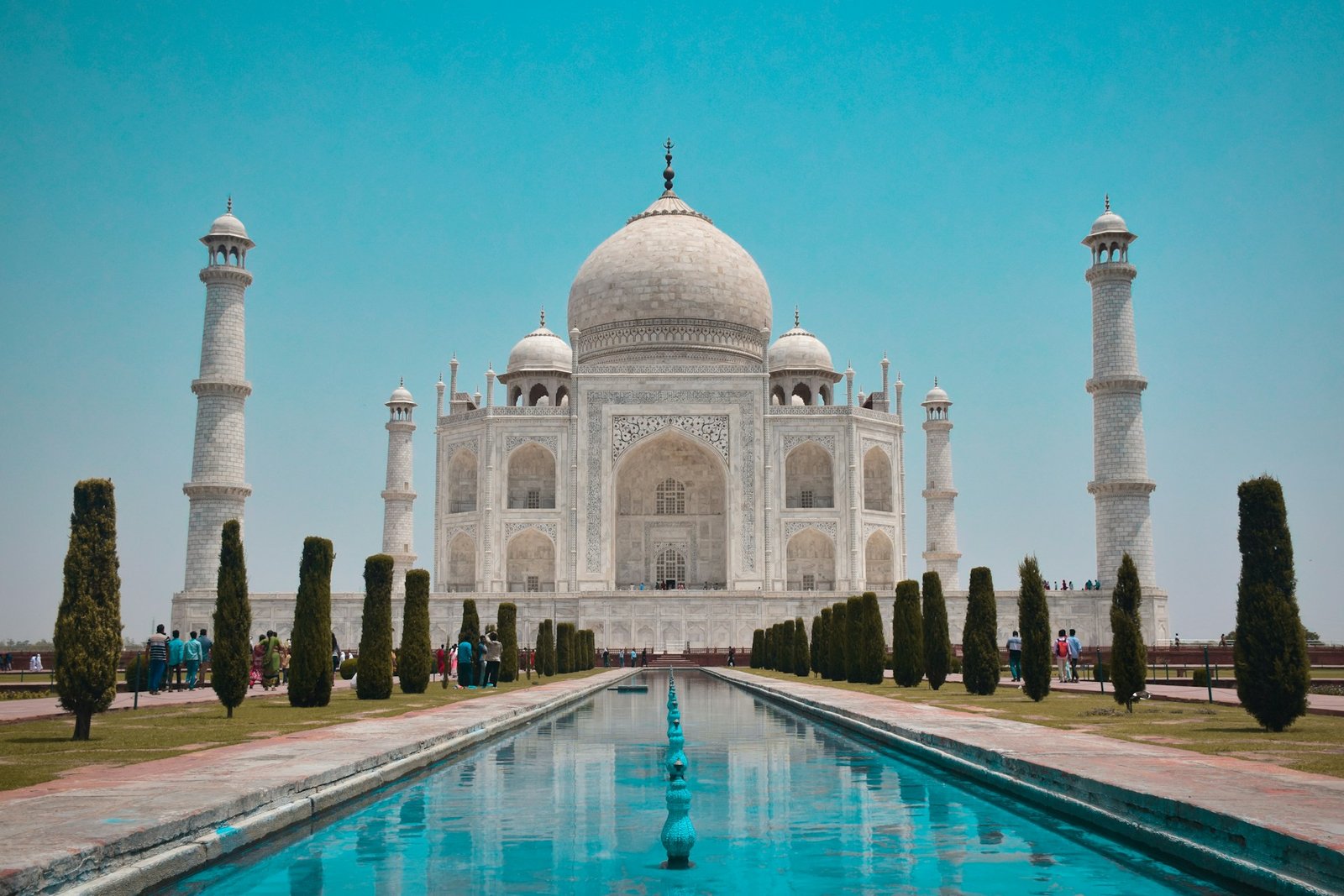
Discover India’s most celebrated travel circuit with our Golden Triangle Tour 5 Days package. Explore Delhi’s historic landmarks, experience the timeless beauty of the Taj Mahal in Agra and discover the royal forts and palaces of Jaipur. This Delhi–Agra–Jaipur tour includes comfortable road transfers, planned sightseeing and sufficient time to enjoy every destination.
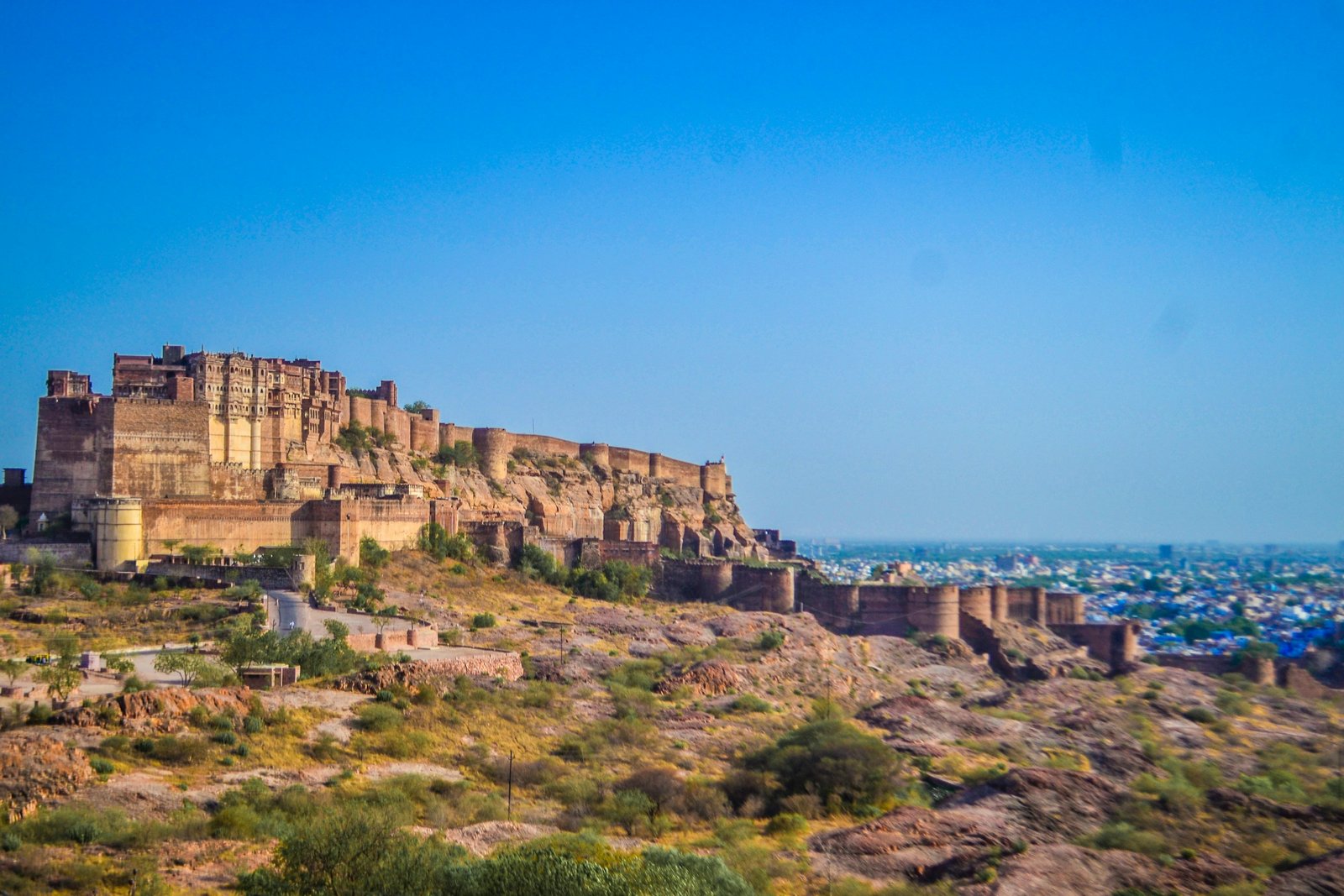 6 Days / 5 Nights
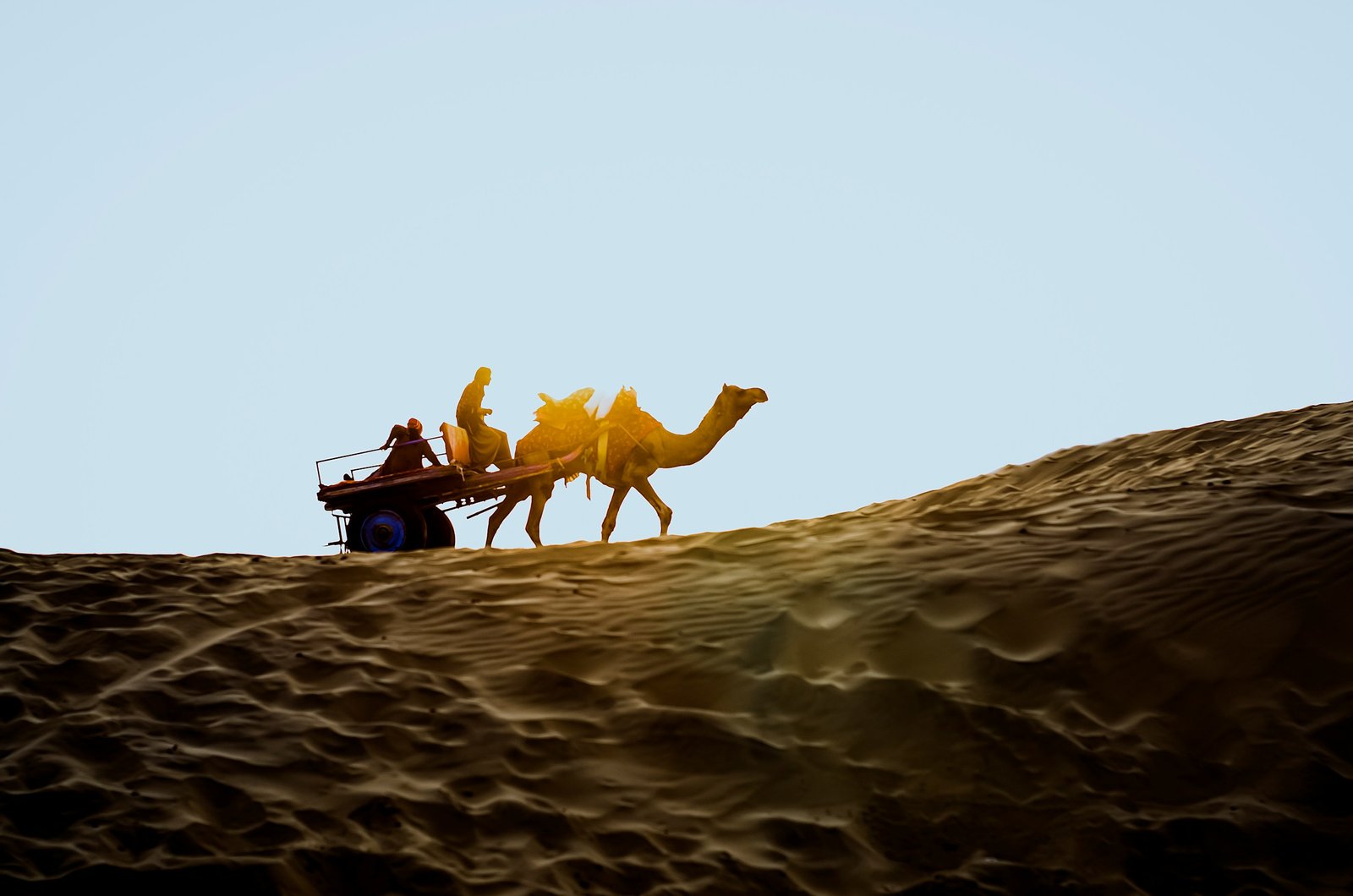
Explore Rajasthan’s royal cities, spiritual destinations and desert landscapes with our 5 Nights 6 Days Jaipur Pushkar Jodhpur Jaisalmer Tour Package. Discover Jaipur’s forts and palaces, visit Ajmer Sharif and sacred Pushkar, explore Jodhpur’s Mehrangarh Fort and experience Jaisalmer’s Golden Fort, havelis, camel safari and desert camp. The journey begins in Jaipur and concludes with a convenient drop in Jodhpur.
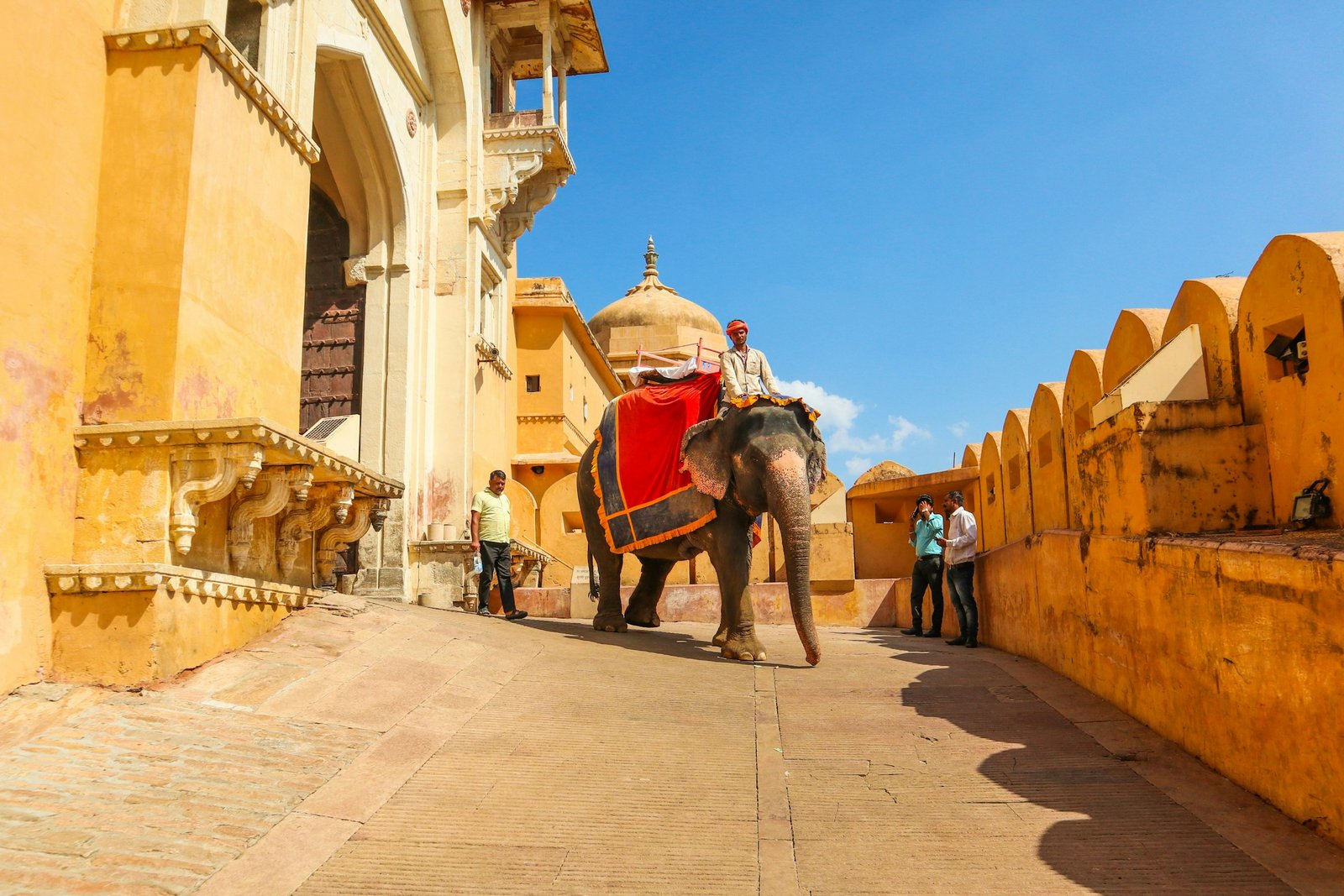 8 Days / 7 Nights
Experience Rajasthan’s royal cities, spiritual destinations, tranquil lakes and golden desert with our 7 Nights 8 Days Jaipur Udaipur Jodhpur Jaisalmer Tour Package. Explore Jaipur’s forts and palaces, visit Ajmer and Pushkar, discover Udaipur’s lakes, see Jodhpur’s Mehrangarh Fort and enjoy camel safari, cultural performances and an overnight desert camp near Jaisalmer.
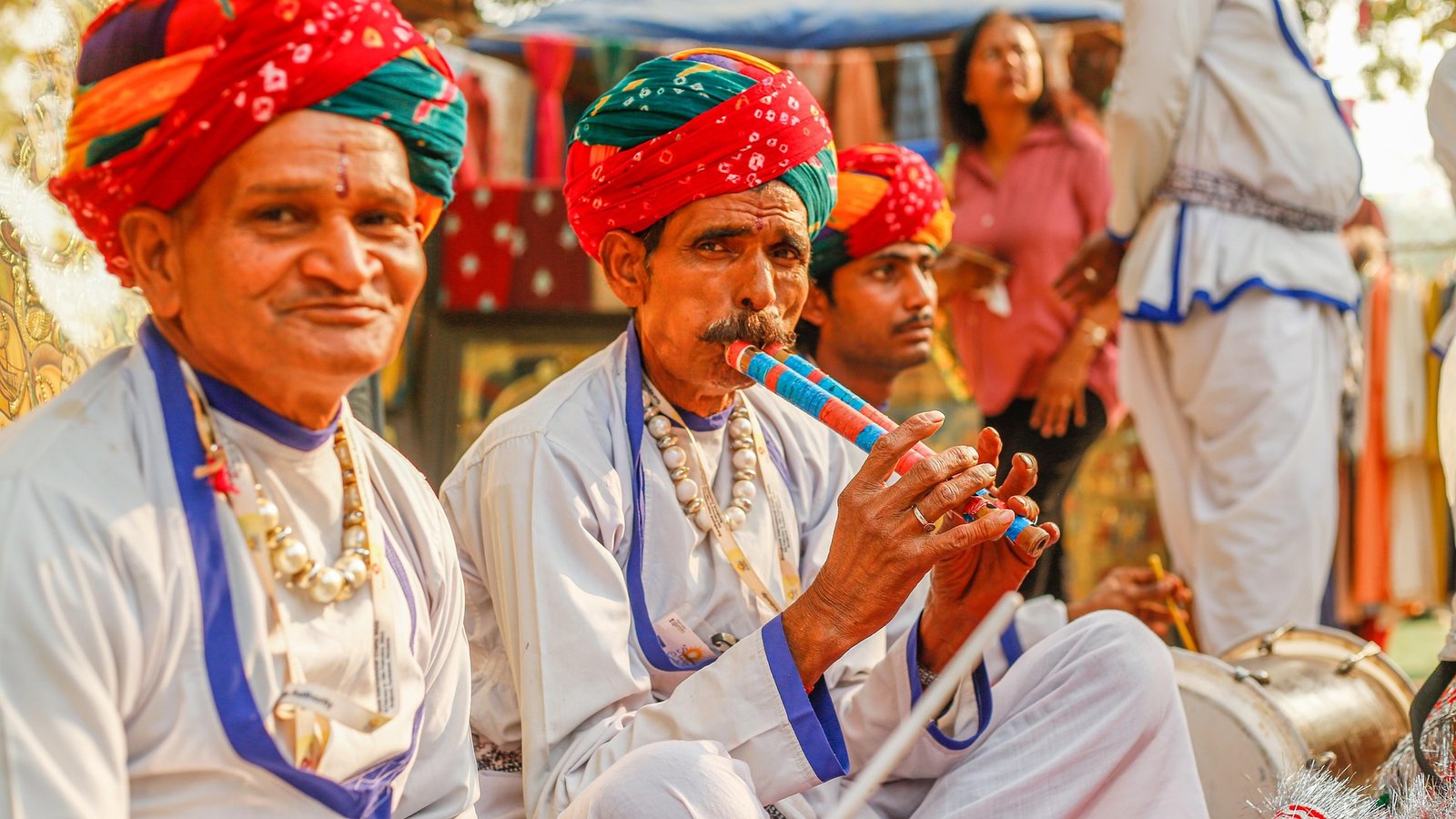 10 Days / 9 Nights
Explore Rajasthan’s royal history, magnificent forts, desert landscapes, lake palaces and spiritual destinations with our 9 Nights 10 Days Historical Rajasthan Tour Package. The journey covers Jaipur, Bikaner, Jaisalmer, Jodhpur, Kumbhalgarh, Udaipur, Ajmer and Pushkar with private sightseeing, a Jaisalmer desert camp stay and convenient Jaipur pickup and drop.
Jaipur is well connected with major Indian cities by air, rail and road. Its location within the Delhi–Agra–Jaipur tourist circuit makes it convenient for short holidays as well as longer Rajasthan journeys.
Travellers can arrive directly in Jaipur or combine the city with Delhi, Agra, Ajmer, Pushkar, Ranthambore and other popular destinations.
Jaipur International Airport, identified by the airport code JAI, is located in the Sanganer area. It serves domestic routes and selected international services.
The airport is approximately 10–13 kilometres from many central parts of Jaipur, although the actual distance depends on the hotel location. Travel time can range from around 25 minutes to more than an hour depending on traffic, road conditions and the time of day.
Airport transfers are available through prepaid taxis, app-based services, hotel transfers and private cabs. Travellers arriving with family members, senior citizens or heavy luggage may prefer to pre-book a vehicle.
When arranging an airport pickup, provide the correct flight number, arrival date, scheduled landing time and a working mobile number. Allow additional time for baggage collection and airport exit formalities.
Jaipur Junction is the city’s main railway station and is connected with Delhi, Agra, Mumbai, Ahmedabad, Jodhpur, Udaipur, Ajmer, Bikaner, Jaisalmer and several other destinations.
It is centrally located and offers convenient access to hotels in Bani Park, Sindhi Camp, MI Road, C-Scheme and the old city. Actual travel time depends on traffic and the exact accommodation location.
Passengers should check the train number and platform information before arrival because multiple trains may have similar names or routes.
Gandhinagar Jaipur is another important station serving selected trains. It can be convenient for travellers staying near Tonk Road, Malviya Nagar, Bajaj Nagar, Lal Kothi or nearby areas.
Do not confuse Gandhinagar Jaipur with Gandhinagar Capital in Gujarat while booking tickets or arranging pickup.
Durgapura Railway Station serves selected trains and can be useful for passengers staying near Durgapura, Mansarovar, Tonk Road, Sanganer or the airport side of Jaipur.
Always verify the boarding or arrival station printed on the ticket, as Jaipur Junction, Gandhinagar Jaipur and Durgapura are separate stations.
Jaipur has strong road connections with Delhi, Agra, Ajmer, Pushkar, Kota, Alwar, Jodhpur and other Rajasthan destinations.
Visitors can travel by private cab, self-drive car or intercity bus. Sindhi Camp is one of Jaipur’s principal bus terminals and receives services from several cities.
A private taxi is particularly useful for multi-city Rajasthan tours because travellers can manage sightseeing stops, luggage and hotel transfers within one continuous journey.
Amer is located on the outskirts of Jaipur and is home to Amber Fort, Jaigarh Fort, Panna Meena Ka Kund, Jagat Shiromani Temple and several traditional streets.
Although Amer is normally included in Jaipur sightseeing, its attractions require several hours. Starting early helps visitors avoid heavy traffic and large crowds.
Samode is approximately 40–45 kilometres from Jaipur and is known for its palace, traditional village setting and surrounding Aravalli landscape.
It can be visited as a half-day excursion or combined with other nearby locations, depending on access and available time.
Abhaneri is approximately 90–100 kilometres from Jaipur. Its main attraction is Chand Baori, a remarkable stepwell known for its deep structure and symmetrical stairways.
The village also contains the historic Harshat Mata Temple. Abhaneri can be included while travelling between Jaipur and Agra, depending on the chosen route.
Sambhar Lake is approximately 75–85 kilometres from Jaipur and is known for its vast salt-lake landscape. The scenery and water level vary according to the season and weather conditions.
Travellers should confirm local road conditions before planning the visit, particularly during the monsoon.
Ajmer is approximately 130–140 kilometres from Jaipur. The city is best known for Ajmer Sharif Dargah, a revered Sufi shrine visited by people from different communities.
Other attractions include Ana Sagar Lake, Adhai Din Ka Jhonpra and selected historic landmarks. Vehicles may not be allowed inside the narrow lanes near the dargah, so visitors may need to walk or use local transport.
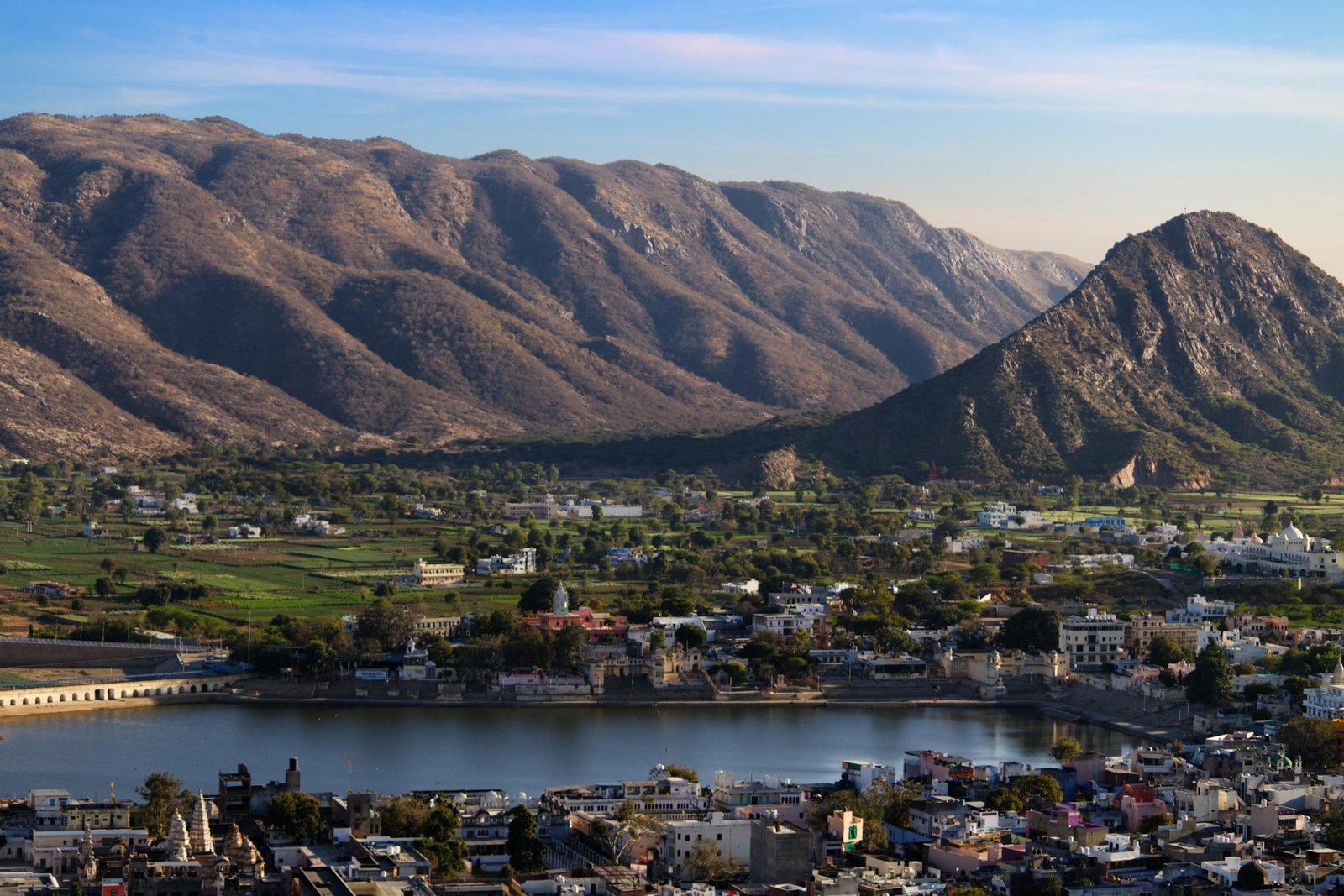
Pushkar is approximately 145 kilometres from Jaipur and around 14–15 kilometres from Ajmer. It is famous for Pushkar Lake, Brahma Temple, sacred ghats, colourful markets and its relaxed atmosphere.
Ajmer and Pushkar are commonly covered together as a full-day trip from Jaipur. An early departure is recommended to allow sufficient time at both destinations.
Ranthambore is approximately 175–190 kilometres from Jaipur and is known for Ranthambore National Park and Ranthambore Fort.
A wildlife safari requires advance booking and is subject to availability, park zones, seasonal operations and forest-department regulations. An overnight stay is usually more comfortable than attempting a rushed same-day return.
Alwar and the Sariska region are located northeast of Jaipur. Attractions may include Sariska Tiger Reserve, Siliserh Lake, Bala Quila and City Palace.
Safari availability and reserve access depend on current forest rules and seasonal conditions. Confirm arrangements before departure.
Neemrana is known for its heritage fort palace and is often included on journeys between Jaipur and Delhi. It can be considered for a heritage stay, meal stop or relaxed break during the road trip.
Agra is approximately 235–245 kilometres from Jaipur and is home to the Taj Mahal, Agra Fort and other Mughal-era monuments.
Travellers often combine Jaipur and Agra as part of the Golden Triangle route. Abhaneri or Fatehpur Sikri may be included along the way when the itinerary and available time permit.
A one-day Jaipur tour generally covers selected attractions and requires an early start. A two-day itinerary provides a more balanced experience:
Day 1: Hawa Mahal, City Palace, Jantar Mantar, Albert Hall Museum and old city markets.
Day 2: Amber Fort, Panna Meena Ka Kund, Jaigarh Fort, Jal Mahal and Nahargarh Fort.
Visitors with three days can add Patrika Gate, Galtaji Temple, museums, shopping, craft workshops or a nearby excursion.
The final sightseeing sequence should be planned according to the hotel location, monument timings, traffic, weather and traveller preferences. A private cab makes it easier to customise the day and travel comfortably between Jaipur’s historic city centre, Amer region and hill forts.